
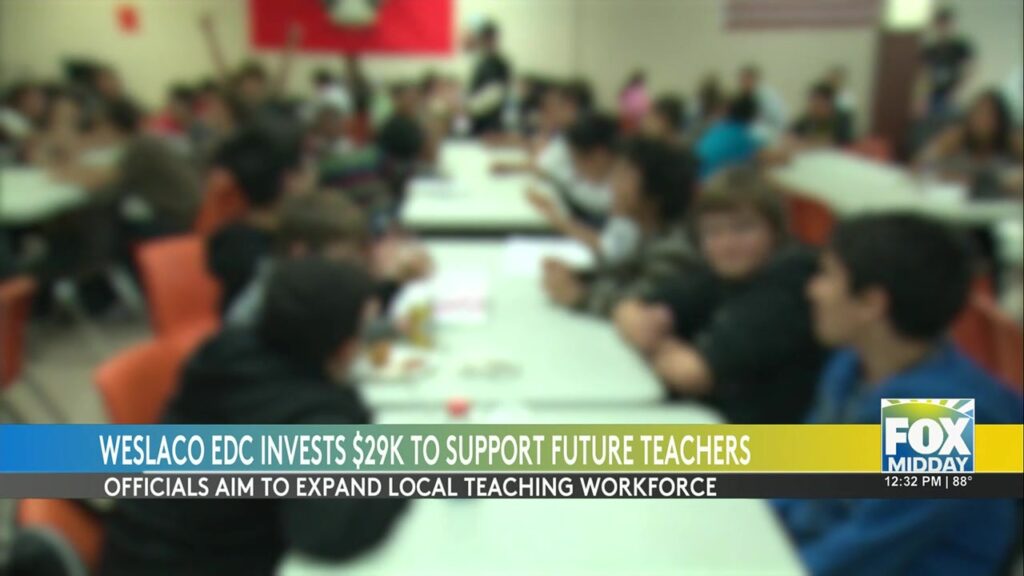
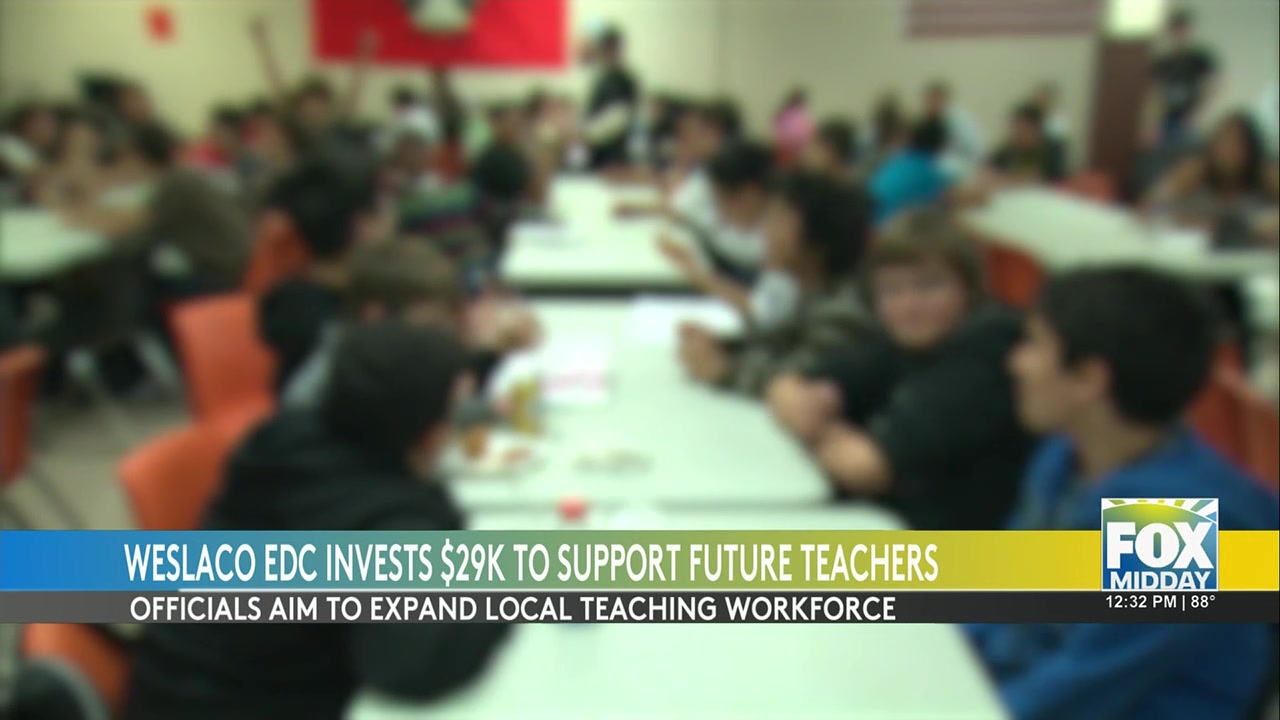
In the Rio Grande Valley, the future of education is being bolstered through a promising new initiative aiming to address the critical need for qualified teachers. The Weslaco Economic Development Corporation (EDC) has announced a $29,000 investment directed at supporting aspiring educators in the community, partnering with Region One Education Service Center (ESC) to expand access to teacher certification programs. This effort arrives at a pivotal moment, as schools across Texas face persistent shortages of qualified instructional staff.
Educators are the backbone of community growth and student achievement, and the new partnership seeks to lower the economic barriers many prospective teachers encounter. By funding alternative certification pathways and related training costs, this program hopes to cultivate local talent, improve teacher retention, and ultimately enhance the quality of education throughout the region.
The collaboration was formally recognized at a designation ceremony held at Weslaco City Hall, where city leaders, education officials, and community members gathered to celebrate this milestone. The event underscored the shared commitment to strengthening the local education workforce and opening new doors for individuals passionate about teaching.
Investment and Partnership Details
The Weslaco EDC’s contribution of $29,000 will fund scholarships for up to six aspiring teachers to support their certification training within Region One Education Service Center programs. Alternative certification is a pathway that allows candidates who may not have completed a traditional route through a university teacher preparation program to become certified educators. These candidates often include career changers, recent college graduates, or individuals seeking to enter the educational field through innovative training programs.
By reducing financial obstacles, the partnership aims to attract a diverse array of teaching candidates, addressing urgent staffing needs while increasing representation in the classroom. This infusion of resources is part of a broader strategy to make teaching careers more accessible and sustainable for local residents.
During the ceremony, officials highlighted the importance of community involvement in education initiatives. The collaboration between the Weslaco EDC and Region One ESC exemplifies how public and private sectors can unite to create impactful solutions tailored to the unique challenges of the Rio Grande Valley.
How to Apply and Certification Pathways
Individuals interested in becoming certified teachers through this program can submit applications online via Region One ESC’s official portal. The program’s eligibility criteria and application deadlines are designed to be inclusive, encouraging applicants with varied educational and professional backgrounds to participate.
Teacher certification in Texas traditionally involves completion of a bachelor’s degree, followed by enrollment in a teacher preparation program. However, alternative certification programs provide accelerated and flexible options that allow candidates to earn their teaching credentials while gaining practical classroom experience. This is increasingly vital in regions like the Rio Grande Valley where teacher turnover and shortages are prevalent.
This partnership initiative provides tuition assistance for training, exam fees, and other certification-related expenses. It represents a critical step toward developing a robust pipeline of qualified educators ready to meet the region’s demands.
Addressing Teacher Shortages and Building Educational Capacity
The challenge of recruiting and retaining teachers is not unique to Weslaco or the Rio Grande Valley; it is a statewide and national concern. According to various educational reports, Texas public schools are projected to face increasing demand for teachers, especially in subject areas like STEM, special education, and bilingual education.
Local investments like this one help to create sustainable solutions by empowering residents to pursue teaching careers without incurring prohibitive costs. Research indicates that supporting educators early in their career positively impacts teacher retention and student learning outcomes. By fostering such partnerships, the community can build long-term educational capacity and ensure that schools are staffed with passionate, well-prepared teachers.
Moreover, this model encourages collaboration among local governments, educational institutions, and economic development entities—creating a comprehensive support system for future educators.
Additional Resources
For those interested in learning more about teacher certification options and support programs in Texas, visit the Texas Education Agency’s official website: tea.texas.gov/texas-educators.




Join the Conversation
Share a local perspective, ask a follow-up, or add helpful context. Comments are moderated before they appear.