
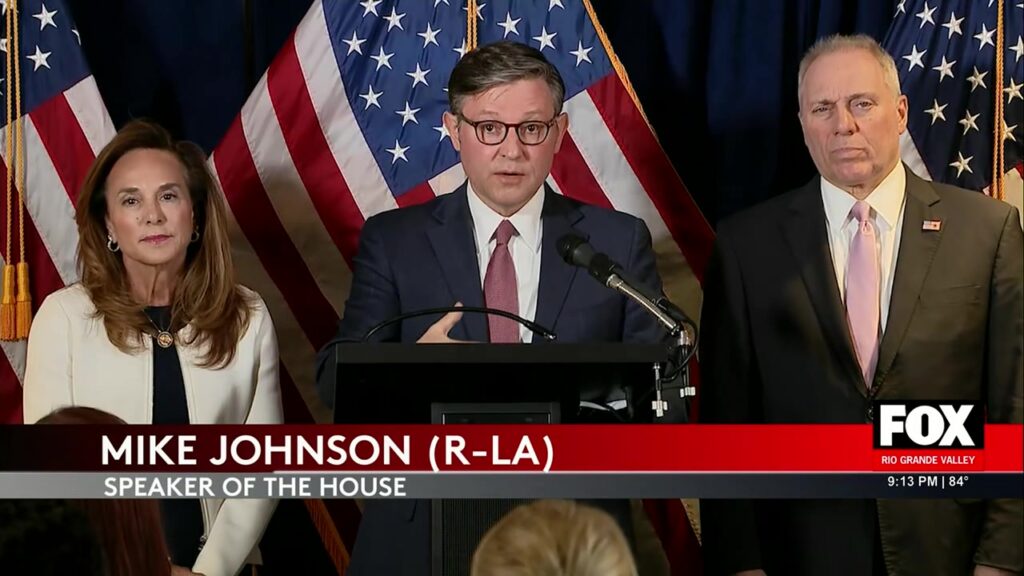
As inflation rates in the United States surge to levels not seen in years, everyday Americans are facing growing financial challenges at the gas pump, grocery store, and throughout their daily lives. Recent government data highlights a sharp increase in wholesale prices and a substantial rise in energy costs, capturing the attention of policymakers, economists, and consumers alike. This surge has sparked widespread concern about the economic outlook amid ongoing geopolitical tensions and domestic policy debates.
Experts attribute the current inflationary pressures primarily to supply chain disruptions compounded by the conflict involving Iran, as well as broader volatility in global commodity markets. Price increases in essential goods, particularly energy and food, have driven the cost of living higher, severely impacting household budgets across the country. The inflationary trends have reignited political discussions regarding the best course of action for relief and economic stabilization during these uncertain times.
The rise in prices has intensified scrutiny on Washington’s response, with the Biden administration facing mounting demands to address the economic strain on ordinary Americans. As inflation stubbornly persists, the situation threatens to deepen societal divisions over fiscal policy and monetary intervention, especially as competing priorities clash between sustaining growth and controlling rising costs.
Political Responses to the Cost of Living Crisis
The economic challenges are prominently featured within political debates, including efforts proposed by President Donald Trump to offer temporary relief to consumers. One such measure under consideration is a pause on the federal gas tax, intended to alleviate some of the financial burdens facing drivers grappling with soaring fuel costs. However, this proposal requires Congressional approval and has generated mixed reactions among lawmakers. Some Republicans express concern that suspending the gas tax could further restrict funding for vital national infrastructure projects supported by the Highway Trust Fund, which is already under financial strain.
Beyond federal discussions, public dissatisfaction with rising prices continues to grow, with many Americans feeling the cumulative weight of escalating bills and debt. The characterization of the situation as a “cost of living emergency” by politicians and policy analysts reflects the urgency felt across communities nationwide. These economic pressures highlight the delicate balance officials must achieve between providing immediate relief and maintaining long-term fiscal responsibility.
Inflation Data and Economic Outlook
Wholesale price movements, as measured by the Producer Price Index (PPI), offer an insightful gauge into inflation dynamics and market conditions. The latest figures revealed a 6% increase in producer prices for April compared to the same month last year, along with a notable 1.5% monthly rise from March to April—the most significant monthly jump recorded in over four years. These data points emerged at a time when peace negotiations with Iran remain stalled, heightening concerns that geopolitical instability continues to fuel inflationary forces.
Rising energy prices stand out as a critical driver of the inflationary trend, climbing nearly 8% in just one month and soaring more than 22% over the past year. These spikes resonate deeply with consumers, as elevated fuel costs ripple through transportation, manufacturing, and food production, pushing the prices of everyday goods upward. Food prices, also experiencing upward pressure, further strain household budgets, disproportionately affecting lower-income families who spend a greater share of their income on necessities.
Looking ahead, economists warn that without a resolution to the conflict affecting international supply chains, inflation may remain elevated, prolonging economic hardship for many Americans. Analysts emphasize that any progress toward diplomatic talks and stabilization in global markets could help temper inflationary trends, though uncertainty persists regarding timelines and outcomes.
Federal Reserve and Policy Shifts
The Federal Reserve faces a complex challenge in responding to this inflation surge. Newly appointed Federal Reserve Chair Kevin Warsh finds himself under heightened scrutiny as calls grow louder for interest rate adjustments to mitigate the economic pressures confronting consumers. Rate cuts could provide short-term relief by easing borrowing costs, thereby stimulating spending and investment. However, such measures carry the risk of exacerbating inflation if not carefully calibrated.
The balancing act involves prioritizing sustainable economic growth while containing inflationary spirals that erode purchasing power. The Fed’s approach in the coming months will be crucial in navigating these competing objectives amid an evolving geopolitical landscape. Furthermore, debates surrounding the Fed’s independence may intensify, as political pressures intersect with monetary policy decisions shaped by the broader administration’s agenda.
Ultimately, the unfolding situation in both domestic policy and international relations underscores the interconnected nature of economic stability and geopolitical developments. Policymakers, businesses, and consumers alike are watching closely as inflation trends and political responses continue to evolve.
Additional Resources
To stay informed about current U.S. inflation and economic indicators, the Bureau of Labor Statistics provides comprehensive and up-to-date data via their official inflation calculator and reports: BLS Inflation Data



Join the Conversation
Share a local perspective, ask a follow-up, or add helpful context. Comments are moderated before they appear.