
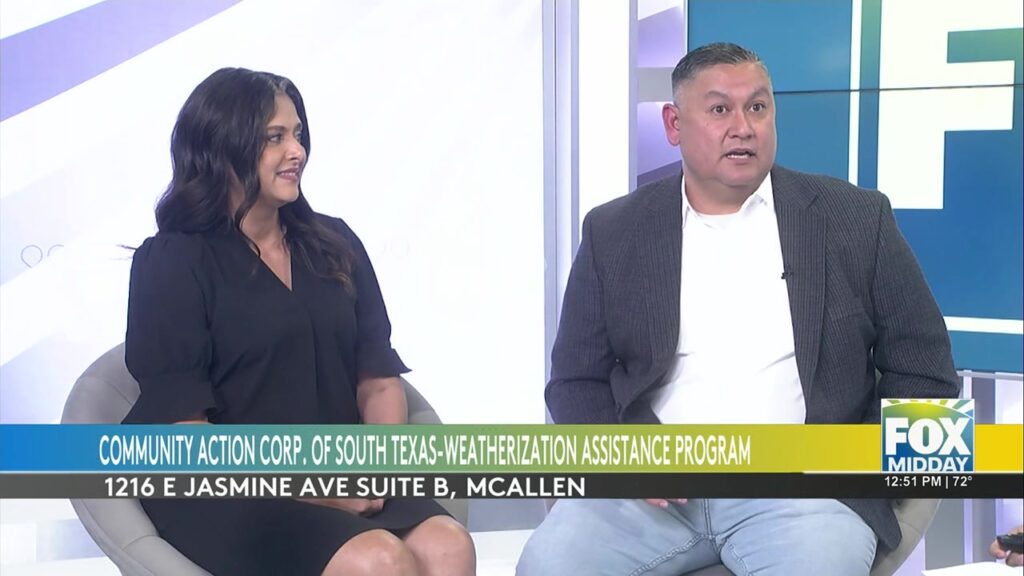
South Texas has embarked on a significant effort to support its residents through a weatherization program dedicated to reducing energy costs. Spearheaded by Community Action of South Texas, the initiative provides crucial assistance to families by improving the energy efficiency of their homes. The program is integral to helping families save on their electrical bills and is especially vital for households facing economic challenges.
Weatherization efforts target low-income households across South Texas, including those in cities like McAllen, Harlingen, and Brownsville. The region’s hot and humid climate, particularly during the summer months, places substantial demands on home energy systems, making efficient energy use a necessity for comfortable living and cost-effectiveness.
Understanding the Weatherization Program
The primary goal of the weatherization program is to increase home energy efficiency, thereby reducing unnecessary energy consumption and lowering utility bills. Community Action of South Texas focuses on low-income families, prioritizing homes with elderly members, disabled individuals, or children under the age of five. These families are more susceptible to the financial strain of high energy costs and are prioritized to receive timely support.
Eligibility for the program is straightforward but involves certain criteria to ensure assistance reaches those most in need. Families must demonstrate a certain level of income, and priority is given to households that include vulnerable members. The program encompasses a thorough inspection of homes, during which professionals identify key areas for improvement, such as inadequate insulation, inefficient windows, and outdated HVAC systems.
Steps and Key Components of Weatherization
The weatherization process begins with a comprehensive home energy audit, conducted by trained personnel. This audit identifies where energy is being lost and proposes solutions specifically tailored to each home. Common upgrades include installing additional insulation, sealing drafts, replacing poorly functioning appliances, and implementing energy-efficient lighting. Weather stripping around doors and windows is another common method to prevent unwanted air exchange, which can drastically impact heating and cooling efficiency.
In addition to physical upgrades, the weatherization program includes educational components that empower families to manage their energy use more effectively. Educational workshops might cover topics such as thermostat management, benefits of using LED lights, and basic maintenance of heating and cooling systems to keep them running efficiently.
Community Impact and Long-term Benefits
The long-term implications of the weatherization program extend beyond immediate cost savings. By reducing energy consumption, the program also helps mitigate environmental impacts, contributing to local efforts against climate change. Moreover, the initiative aligns with state and federal objectives to increase sustainability and promote energy independence.
Financial backing for these endeavors comes from critical state funding sources. Among them are the Department of Energy and the Low Income Home Energy Assistance Program (LIHEAP). The cooperation between state agencies ensures that the weatherization program will continue to provide relief to families encountering economic hardship.
Communities throughout South Texas have expressed positive feedback on the program’s impact, highlighting the significance of reduced energy bills which free up household income for other essential expenses. Furthermore, the energy efficiency improvements enhance the overall health and safety of homes, which can be particularly beneficial during extreme weather events common in the region.
Additional Resources
To learn more about energy conservation and explore further government-supported programs, visit the official resources at the Department of Energy website: energy.gov. For local initiatives and support in Hidalgo County, check out hidalgocounty.us.





Join the Conversation
Share a local perspective, ask a follow-up, or add helpful context. Comments are moderated before they appear.