
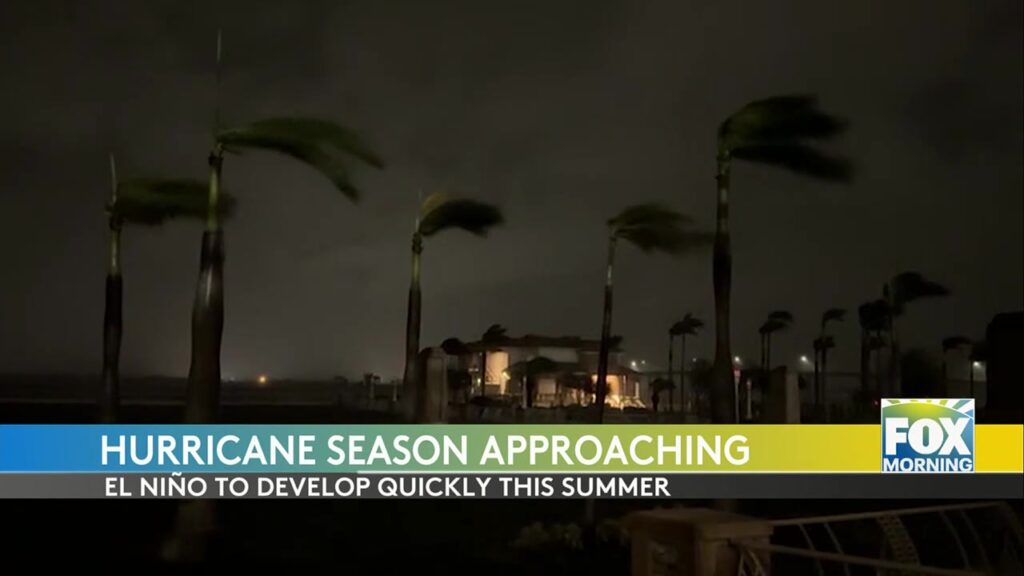
South Texas, known for its warm weather and coastal proximity, boasts a varied climate that transitions from mild, pleasant temperatures to occasionally volatile weather patterns. This region, encompassing cities such as Brownsville, McAllen, and Laredo, experiences significant climatic influences from the Gulf of Mexico, making its weather forecasts highly anticipated by residents and visitors alike. As we delve into the current weather outlook, attention also turns toward the looming hurricane season, which plays a critical role in preparations and safety protocols for the populace.
The geographical setting of South Texas places it at a crossroads of climatic activity, where seasonal changes bring unique weather phenomena. As meteorologists track conditions closely, several natural factors, including the potential development of El Niño in the Pacific, could influence what kind of weather South Texas might face in the coming months.
Mild Temperatures and Cloudy Skies
The residents of South Texas are currently enjoying mild weather conditions, with temperatures hovering in the lower 70s. The weather pattern for the region suggests a gradual warm-up towards the lower 80s as we progress through the week. Accompanying this rise in temperature is a presence of mostly cloudy skies, casting a soft, diffused light across the landscape.
Wind patterns have also become a point of interest. With wind speeds expected to increase, reaching up to 13 miles per hour from the Southeast, the typical calm demeanor of the region’s climate may shift. These windy conditions, while not unusual for this time of year, contribute to the day-to-day variability that locals experience, highlighting the dynamic nature of South Texas weather.
Rainy Days Ahead and El Niño Watch
Looking ahead, forecasts predict the possibility of light rain showers moving through the area, particularly affecting Central Texas. While this rain is not expected to be heavy, it will bring a much-needed respite to an otherwise dry climate. This change is part of a broader weather pattern influenced by fluctuating atmospheric conditions.
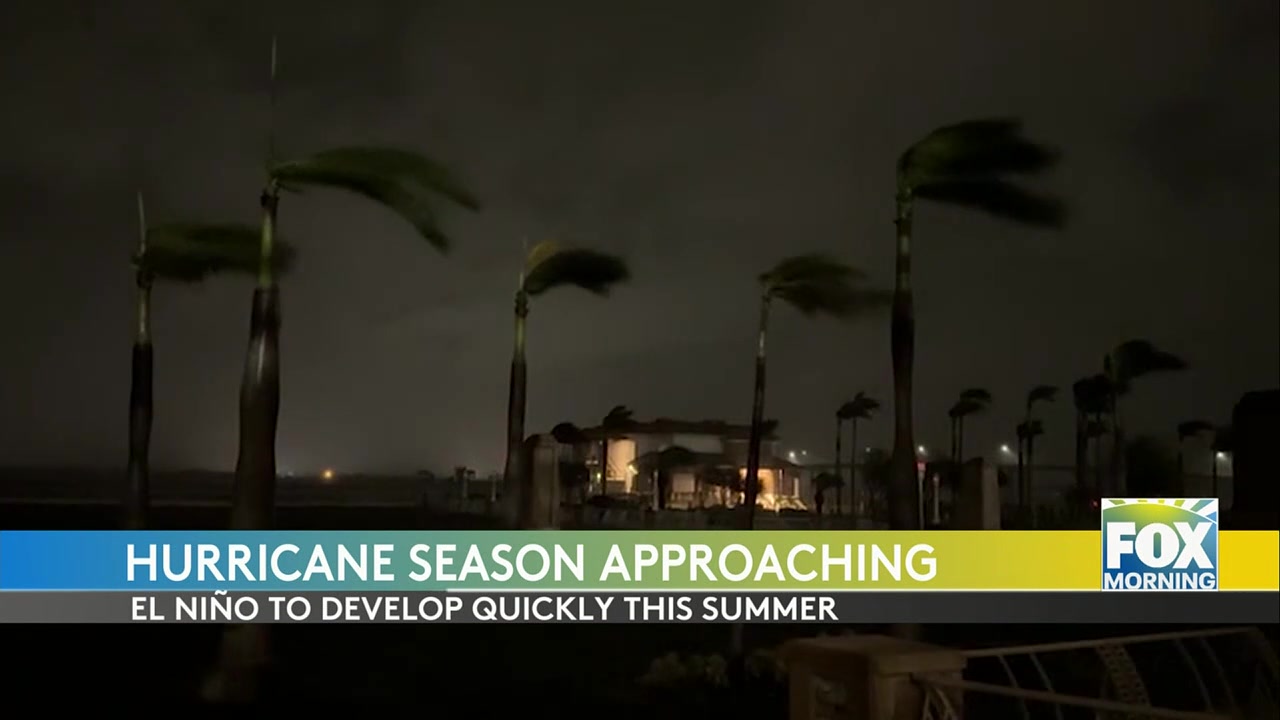
With the hurricane season approaching swiftly, attention is now directed towards the potential development of El Niño, a significant oceanic phenomenon occurring in the Pacific. El Niño events have a substantial impact on global weather patterns, typically reducing the number of hurricanes in the Atlantic by altering upper-level wind patterns. However, warm waters in the Gulf of Mexico can still fuel storm development, leaving South Texas on alert for any potential tropical activity.
Meteorologists and climate experts urge residents to stay informed as El Niño develops, given its possible implications for the weather in the region. Historical data support the notion that a single active storm can have profound effects, underscoring the importance of constant vigilance and preparedness.
Flood Preparedness
The National Hurricane Center (NHC) emphasizes the need for flood preparedness as a critical aspect of weather readiness. Flooding remains the leading cause of weather-related fatalities, particularly during heavy rain or storm events, and is often underestimated by the general public. As forecasts are refined and updated, especially with inputs from the National Oceanic and Atmospheric Administration (NOAA), which are anticipated by late spring, communities should take proactive measures to safeguard lives and property.
Local authorities, emergency responders, and residents are encouraged to review flood preparedness plans, ensuring that every precaution is taken to mitigate the potential risks associated with heavy rainfall and high water levels. This includes staying informed about local evacuation routes, assembling emergency kits, and understanding the flood risks specific to their surrounding areas.
Additional Resources
For more information on hurricane preparedness and how to remain safe during severe weather events, interested parties can visit the official government website, which provides comprehensive guidelines and updates: ready.gov/hurricanes.





Join the Conversation
Share a local perspective, ask a follow-up, or add helpful context. Comments are moderated before they appear.