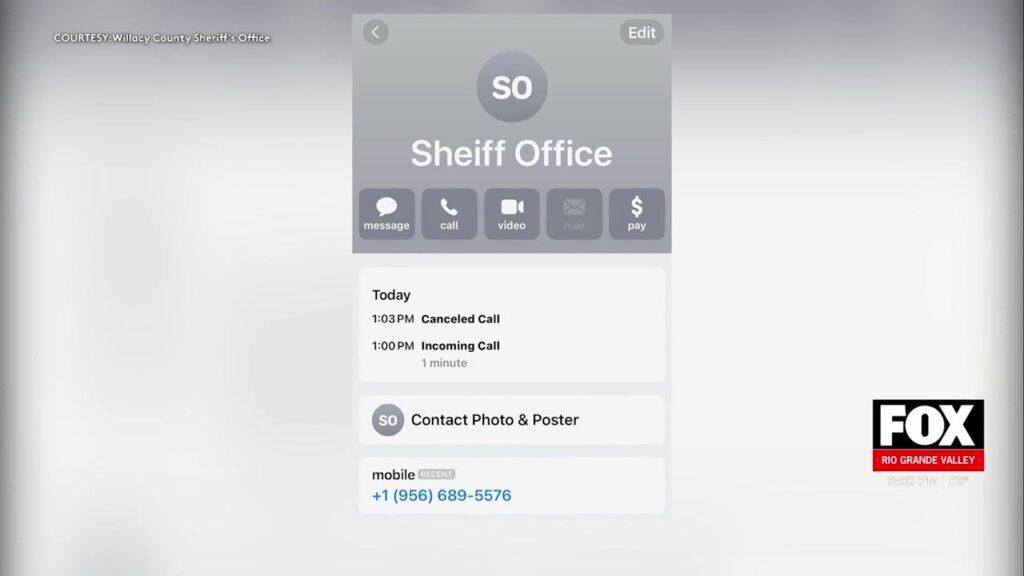
In a recent wave of fraudulent activity, the local community is being cautioned by the City County Sheriff's Office about a phone scam that is specifically targeting unsuspecting residents. Criminals are using sophisticated techniques to impersonate officers of law enforcement agencies, creating an erroneous sense of urgency and fear among their victims. This deceptive practice aims to extract personal information under the guise of legal necessity or threat.
These scams are becoming increasingly common, and authorities are sounding the alarm to prevent further victimization. The callers typically take advantage of technological advancements to mask their true identity, making it appear as if their calls are originating from legitimate local government agencies. One notable case involved a concerned citizen receiving a threatening call for purportedly failing to report for jury duty, with the scammer demanding personal data to resolve the issue.
Officials emphasize that government bodies, particularly law enforcement agencies, will never solicit personal information over the phone, via email, or through social media channels. Individuals are urged to maintain a high level of skepticism regarding unexpected calls and emails seeking sensitive information.
Nature of the Scam
The method employed by scammers is known as 'spoofing,' where they falsify their caller ID to appear as though the call is originating from a legitimate, trusted source. The scam often involves dire warnings of legal repercussions unless the victim complies by providing sensitive information, such as Social Security numbers, dates of birth, or driver’s licenses. This psychological manipulation leverages fear and authority to coerce victims into revealing personal data.
While this particular scam involves claims of unfulfilled jury duty, scammers may also employ other tactics such as false claims of outstanding taxes or utility bills. The variation in the method underscores the importance of being vigilant and questioning the legitimacy of any unsolicited demand for personal data.
Public Awareness and Advice
Community education is a critical component in combating this deceptive threat. Authorities advise all residents, especially vulnerable groups such as the elderly, to exercise caution and remain informed about the tactics scammers employ. Public service announcements and community forums are being used to disseminate this vital information.
Residents are encouraged to remain skeptical of unsolicited calls that request personal information. If a call appears suspicious, it is advisable to hang up immediately and contact the purported agency directly using official contact information to verify the authenticity of the request.
Moreover, it is important for community members to openly discuss these threats with family and friends, particularly those who might be more susceptible to such deceitful tactics. Ensuring that everyone is aware and informed is a key step in mitigating this widespread issue.
Preventive Measures
Prevention begins with awareness, and there are several strategies that can be effective in protecting oneself from becoming a victim. First and foremost, residents should never provide personal information over the phone unless the authenticity of the request has been thoroughly confirmed. Utilizing call-blocking services and apps can also reduce the number of potential scam calls received.
Another practical measure is to stay updated on common scam tactics by visiting government and law enforcement websites that offer resources and advice on identifying and handling scam attempts. It's also beneficial for individuals to report any suspected scam calls to local authorities; this helps in tracking and tackling the problem on a broader scale.
Additional Resources
For further information on how to protect yourself from scams, please visit the Federal Trade Commission’s website: consumer.ftc.gov. This site offers comprehensive guidance on recognizing, avoiding, and reporting scams, helping citizens safeguard their personal information.