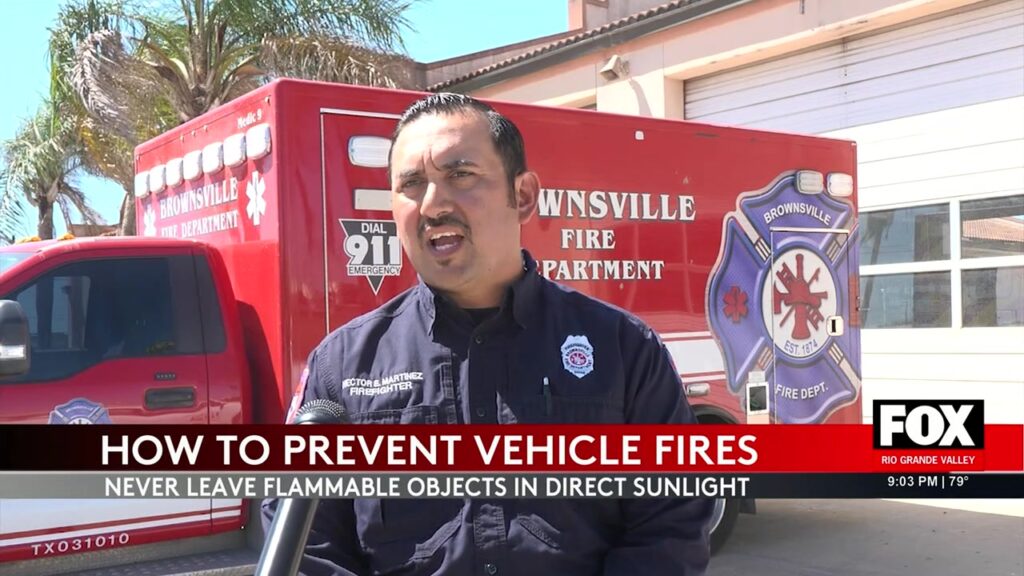
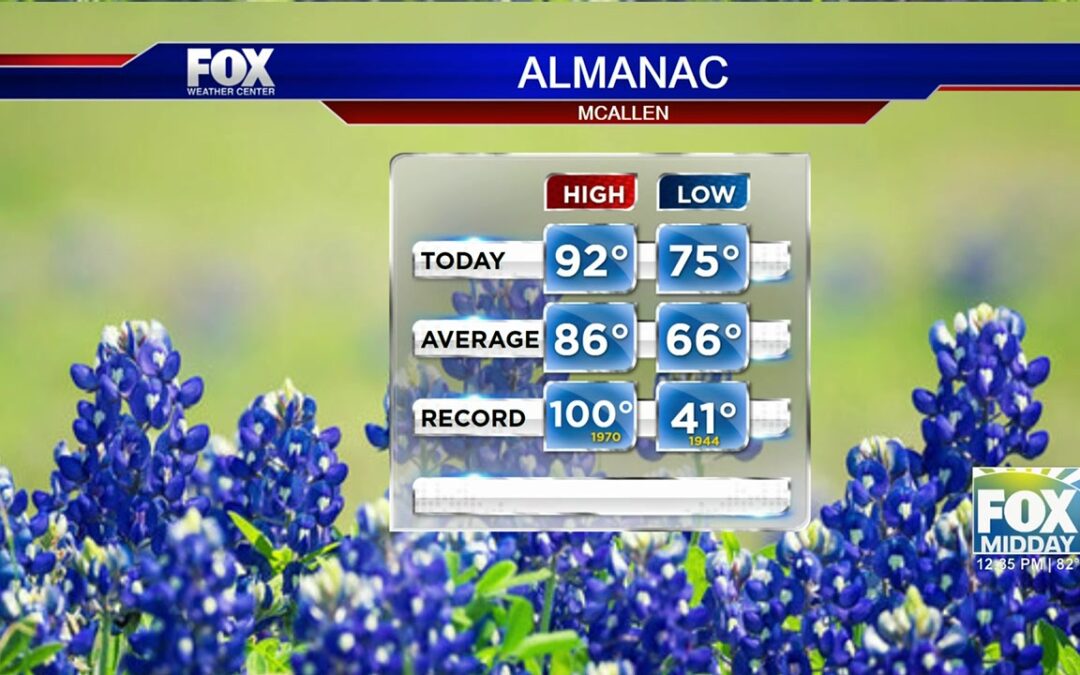
As spring transitions into summer, places like South Texas, including Harlingen, Brownsville, and Hidalgo County, are experiencing rising temperatures. Local fire departments are seizing this time to emphasize the importance of vehicle fire safety. As the mercury rises, so does the likelihood of vehicle-related incidents, particularly fires, which can be catastrophic. Understanding the risks associated with high temperatures and practicing preventative measures can greatly reduce the chances of experiencing a vehicle fire.
High temperatures not only impact our physical comfort but can also pose significant risks to our vehicles. With summer advancing, conditions become ideal for fires due to the combination of mechanical failures, flammable materials, and the sheer heat. These risks beckon every vehicle owner and operator to heed the warnings issued by fire safety officials, reminding us how regular maintenance and mindful practices can avert disasters.
Vehicle fires can start well out of sight, igniting anywhere in the vehicle due to a host of potential failures aggravated by heat. Some common heating and fire hazards include overheating engines, faulty wiring, overheated lithium-ion batteries, and flammable materials left inside cars.
Key Safety Measures
Routine maintenance is not merely an act of ensuring efficient vehicle performance but a significant preventive measure against fires. Regular checks should ensure that all systems within the vehicle function optimally, looking out for signs such as fluid leaks or electrical malfunctions that could ignite at high temperatures.
Importantly, drivers should be vigilant about removing flammable objects from their vehicles. Items such as hand sanitizers, which contain alcohol, or other combustibles left inside can become potential fuel sources. The risk associated with lithium-ion batteries, such as those found in mobile phones or new tech gadgets, should not be underestimated, as they have a known propensity to overheat and catch fire.
Understanding High-Risk Situations
Understanding which items can pose a risk and knowing how they behave in hot conditions is crucial. For example, leaving a device in direct sunlight or stored on a vehicle's dashboard can increase the battery's temperature, which might spark a fire. It's essential to store such items in a shaded, cool location when inside a car.
An often-overlooked hazard is the accumulation of debris such as leaves, paper, or cloth in the engine compartment. These can act as tinder if they come into contact with high-temperature surfaces or sparks. Frequent cleaning of this area can prevent fires from starting.
Additionally, fuels and other assorted chemicals associated with car maintenance should be stored securely and preferably outside the vehicle, only transported when necessary. Many common car maintenance chemicals have low flashpoints and can ignite under relatively low temperatures if spilled or vaporized inside a closed vehicle.
Emergency Protocols
Despite the best preventive measures, emergencies can arise. Understanding how to respond is critical. Evacuation is the first priority. Any sign of smoke or fire calls for an immediate and safe exit from the vehicle. Individuals should then distance themselves by at least 100 feet from the vehicle and surroundings.
It is crucial never to re-enter the vehicle once evacuated. Fires can escalate extremely quickly, and the risk of explosion or severe harm cannot be overstated. Once safely away, the first call should be to 911 to alert emergency services to control the situation effectively.
Communities in affected areas, notably large ones like Pharr or smaller ones like Los Fresnos, should be aware of these protocols and share the information. First responders are well-equipped, but preparedness on an individual level ensures that emergency response can be as effective as possible, minimizing potential damage to both people and property.
Additional Resources
For more information and resources about vehicle fire safety, including comprehensive guides and handy tips, visit the National Highway Traffic Safety Administration. Their resources offer deep insights into driving safety and vehicle maintenance, supporting vehicle owners in maintaining safety on the roads during hot weather.