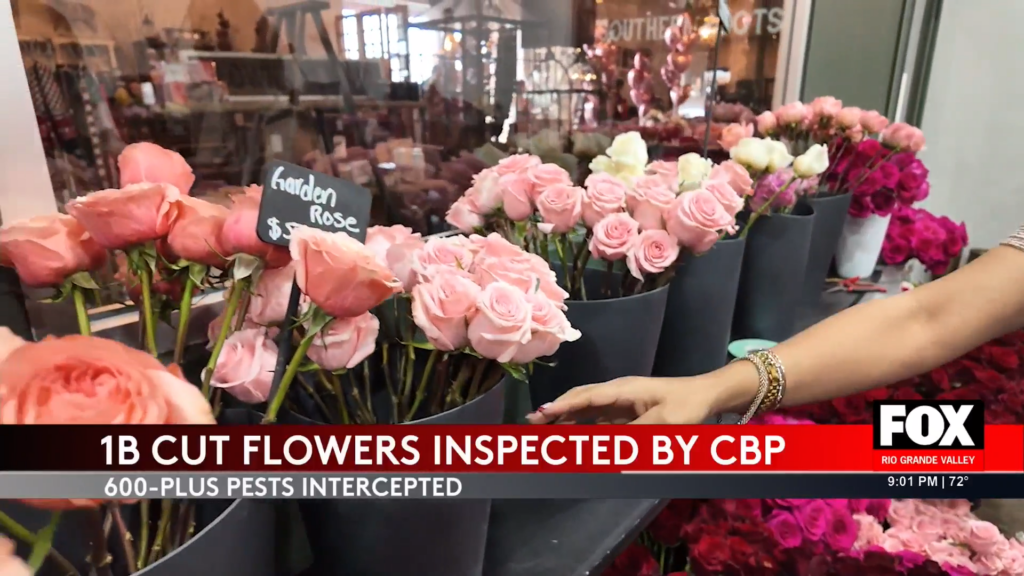
As Valentine's Day approaches, the demand for flowers surges in the Rio Grande Valley, making it one of the busiest times of the year for flower imports. This seasonal spike in flower imports has prompted U.S. Customs and Border Protection (CBP) to intensify their inspections, ensuring that harmful pests do not threaten American agriculture. The CBP's focus on Valentine's Day flowers underscores their commitment to maintaining agricultural safety.
Valentine's Day Flowers Under Scrutiny
Valentine's Day flowers are a cherished tradition, but their journey into the United States is more complicated than simply crossing the border. Federal agricultural specialists have inspected over 1 billion cut flower stems this season, identifying and intercepting hundreds of pests and plant diseases. As Suzette Kelly, acting Executive Director of CBP, stated, "Every cut flower inspected by CBP is a testament to our vigilance and unwavering commitment to preventing the entry of plant pests and diseases." These efforts are crucial as even a single pest, such as plant fungi or moth larvae, can cause significant agricultural damage.
The Challenges of Flower Imports
Flower imports, particularly those from the Mexican border, present unique challenges for florists like Mariana Linaldi, who owns multiple flower shops throughout the Valley. Importing flowers requires careful planning, beginning as early as five months in advance. Florists must navigate potential delays or stoppages at the border due to pesticide use or other issues. Linaldi emphasizes the importance of inspections, despite potential delays, stating, "We're really happy that they get inspected, of course, but we want to make sure that it's safe for everybody."
To avoid disappointment during this peak season, florists recommend ordering Valentine's Day flowers ahead of time. Early orders ensure that customers receive fresh blooms, even amid the rigorous inspection processes.
Additional Resources
For more information on the efforts of U.S. Customs and Border Protection to protect American agriculture, visit the official CBP website at cbp.gov.