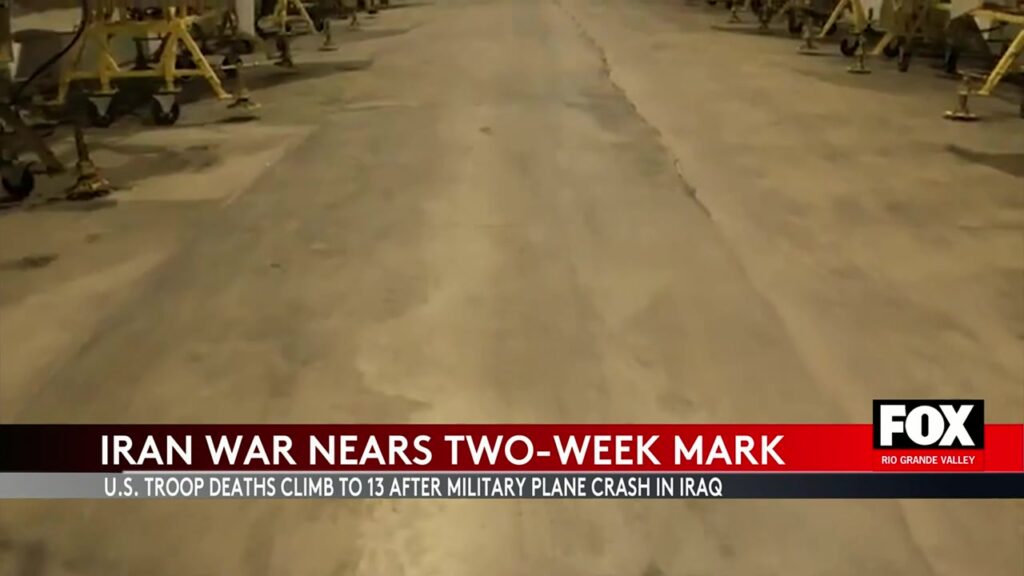
The international landscape remains tense as the United States increases its military presence in the Middle East. Amid ongoing tensions between the United States and Iran, developments continue to unfold rapidly. The situation escalated nearly two weeks ago when the United States and Israel launched attacks on Iran, marking a significant intensification in regional hostilities. Additional American troops are now being deployed to reinforce operations in the area, indicating a heightened focus on military efforts. As the international community watches closely, these movements are pivotal in understanding the broader implications for Middle Eastern and global stability.
Reports from Fox News have detailed that US military operations, termed Operation Epic Furious, have already resulted in the loss of 13 American lives following a refueling plane crash in Iraq. This deployment is viewed as a demonstration of US resolve in the face of Iranian military capacities, which US officials claim have been significantly diminished by the sustained aerial strikes.
Military Strategy and Operations
The strategic calculus of the United States appears focused on undermining Iranian military capabilities. According to the Pentagon, Iran's navy and air force capacities have been critically weakened, reducing their operational efficacy by approximately 90 percent. While Iran's ability to launch drone and missile strikes has been curtailed, the US military is increasing efforts to target Iranian defense infrastructure, including armament companies. The emphasis on disabling Iran's capacity to project military power demonstrates a strategy aimed at incapacitation rather than complete destruction.
Thousands of regime supporters in Tehran express defiance and solidarity amidst these developments. The internal response within Iran will play a crucial role in shaping future strategic dynamics, both regionally and globally. As the US military presence grows, the volume of air strikes over Iran is reaching unprecedented levels, further escalating the situation.
Political and Diplomatic Implications
The escalation of military actions has significant political and diplomatic ramifications. The United States’ decision to enhance its military presence could draw condemnation from international actors concerned with regional stability. Meanwhile, allies in the region may view these actions as necessary for deterring aggression and maintaining balance.
These developments occur against a backdrop of complex international relations, with various actors urging for diplomatic resolutions. However, the opening for negotiation appears limited as military strategies take precedence. The full impact of these actions on the broader geopolitical landscape will depend on both Iranian responses and international interventions aimed at de-escalation.
Public and Media Perception
The media plays a significant role in shaping public perception of the conflict. Networks like Fox News contribute to disseminating information and influencing opinion. The ongoing coverage of military developments keeps the public informed but also highlights the intensity and potential risks of continued conflict.
Public interest in the consequences of military actions remains high, with particular focus on the human impact and the future of US-Iran relations. The unfolding events are closely monitored by analysts, policymakers, and citizens keen to understand the ramifications for international peace and security.
Additional Resources
For more information on the geopolitical dynamics involved in this situation, consult resources provided by the U.S. State Department. Understanding military priorities and diplomatic considerations can offer richer insights into the complexities of international conflict and response strategies.