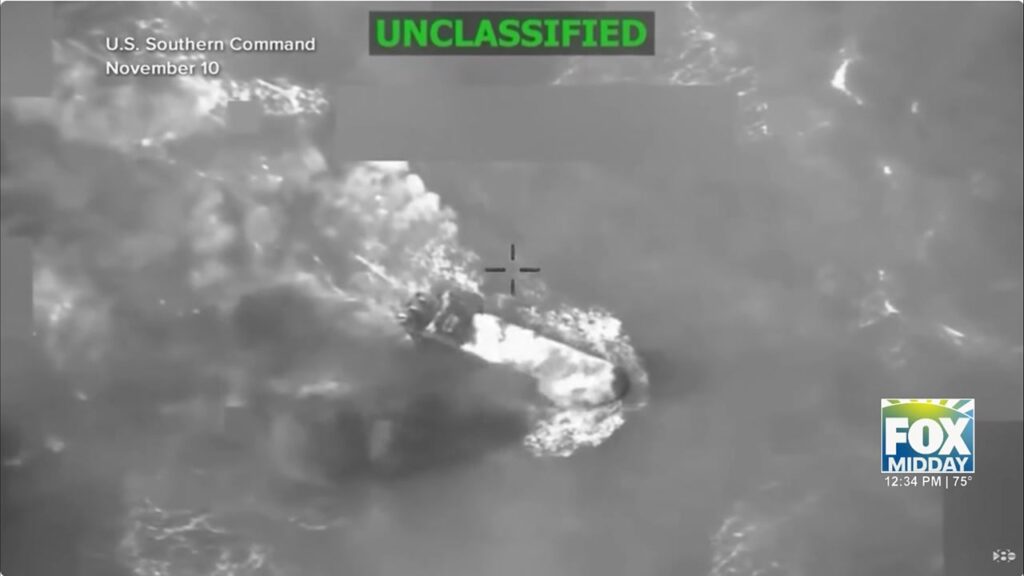
The United States has escalated military operations targeting drug cartels along the Mexican border and beyond, underscoring a steadfast commitment to combat international drug trafficking. This initiative, involving both land and sea offenses, marks a critical step in the broader fight against cartels that have long riddled the region with violence and instability. With the use of advanced military technology and strategic intelligence, these operations are designed to dismantle the sophisticated networks that facilitate the illegal drug trade.
The global drug trade has been a persistent issue, with Pharr-reaching implications impacting both producer and consumer nations. The U.S. government has long recognized the necessity of tackling this issue not just domestically but through international cooperation, reinforcing that complex problems require multifaceted solutions.
Actions Taken
According to U.S. officials, since September 2025, the military has executed 45 strikes aimed at weakening cartel operations. These missions have successfully eliminated over 157 affiliated cartel members and dismantled numerous drug-smuggling vessels in the Caribbean and Eastern Pacific regions. These strategic hits are regarded as critical in curbing the entry of illegal drugs into the United States—a primary Mission orchestrated under the directive of the Trump administration, drawing international attention and reaction.
These operations are part of a broader strategy that includes collaboration with local law enforcement agencies, intelligence sharing, and the deployment of specialized task forces. The presence of these task forces across significant transit areas ensures more rapid response times and improved coordination with international agencies aiming to intercept narcotics before they reach U.S. soil.
Repercussions and Advancements
This broadened anti-drug effort follows the high-profile killing of cartel figurehead El Mencho, igniting a rise in internal violence among factions. Department of Homeland Security (DHS) reports a subsequent escalation in cartel-related violence and gang arrests, tallying over 7,800 apprehensions related to organized crime networks, among them significant detentions of Tren de Rauwá and MS-13 affiliates. The commitment to sustaining and amplifying anti-cartel efforts reflects a deepened resolve in uprooting the drug trafficking chains that persistently endanger lives and livelihoods.
The increase in military operations marks not just a tactical escalation but also technological advancements in detection and interception. From aerial surveillance to maritime patrols, the U.S. has enhanced its capabilities to track and neutralize drug shipments. The integration of cutting-edge technology such as drones and satellite imagery provides the military with a comprehensive overview of cartel activities, enabling more precise and effective operations.
The Global Implications
Beyond local implications, these operations mirror heightened international collaboration against pervasive drug networks. As the United States intensifies defensive initiatives, this stance resonates with global efforts to obstruct these criminal enterprises. Continued international partnerships, investments in intelligence, and tactical adaptations remain crucial as authorities seek to dismantle cartel influence through coordinated, sustained efforts.
The war against drug cartels is not confined to American soil. Many countries across the world are amplifying their efforts to tackle drug trafficking. Latin American governments, for instance, are working closely with the U.S. to address the root causes of the drug trade, including poverty, corruption, and lack of education. The international community recognizes that ending the drug trade requires systemic change and collective action.
Additional Resources
For more on international drug trafficking policies, visit the U.S. Department of State.