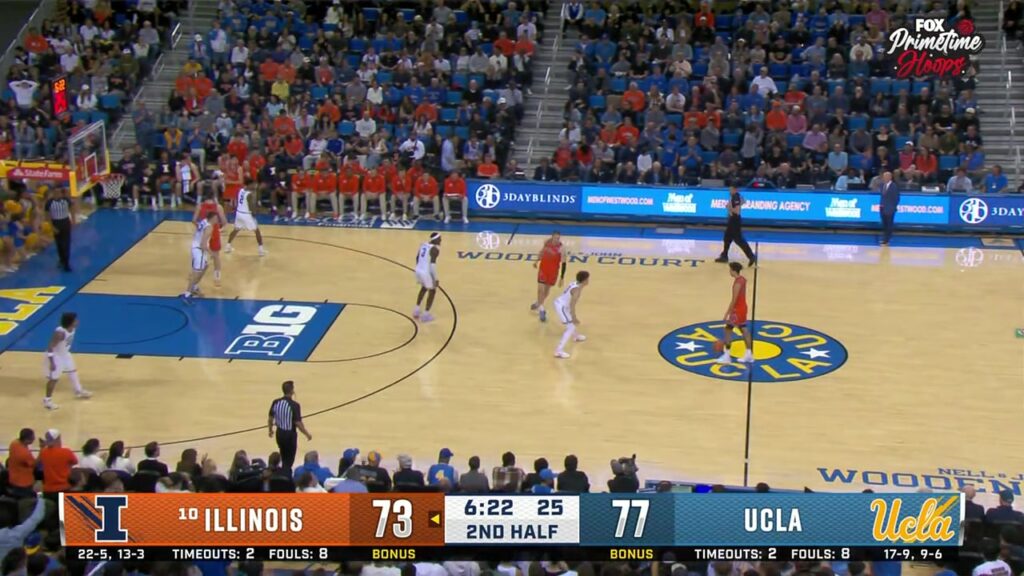
The recent UCLA game against a formidable opponent was more than just another match on the schedule; it was an electrifying showcase of skill, strategy, and resilience. Fans and experts alike were left on the edge of their seats, witnessing high-intensity moments that tested the mettle of each player on the court. From the nail-biting final minutes to the meticulously planned strategies that unfolded, this game will go down as a significant chapter in UCLA's sporting history.
In an age where the individual talents of star players often dominate the headlines, this UCLA game reminded everyone about the importance of teamwork and strategic planning. While individual brilliance was evident, it was the collective effort that painted the full picture of this thrilling competition. As we delve deeper into the dynamics of this game, we uncover the complexities and fervor that defined every dribble, pass, and basket made.
Understanding the Dynamics of the Game
The recent UCLA game left fans on the edge of their seats as both teams battled it out with intense energy and strategic plays. As the clock ticked down, tensions soared not only on the court but also amongst fans and pundits who watched with bated breath. This game brought into focus not only the skills of individual players but also the overall strategies employed by the teams.
The initial phases of the game were characterized by a frenetic pace, with each team testing the other's defenses and attempting to dominate possession. The swift transitions from offense to defense highlighted the agility and preparedness of both teams. A more manageable tempo, as observed by on-court commentators, benefitted UCLA as it allowed them to stabilize their play and focus on executing their strategies effectively.
Key Highlights from the Match
From the outset, the tempo of the game was palpable. It was notable that the team was able to adapt to a more manageable tempo, as referenced by an on-court commentator. This shift seemed to align with their goals of maintaining control over the game and ensuring points were accrued strategically. Thomas Lava made his mark early on, contributing significantly during a key point in the game.
The second half of the game proved particularly challenging, with UCLA managing to accumulate only 23 points. However, the fierce dynamics and persistent spirit of the team did not wane. As the match progressed, players like Bill Ado and James Davis found opportunities to break through the opposing defenses. Their tenacity was evident in crucial moments, showcasing powerful drives towards the basket and precise shooting.
The game's close calls and pivotal moments kept fans and commentators engrossed. Each decision, each shot, and each defensive block carried significant weight in this closely contested battle, underscoring the thin margin between victory and defeat.
The Role of Officiating in the Outcome
As is often the case in high-stakes games, the role of officiating came under scrutiny. The game held pivotal moments where fouls or lack of calls by officials became talking points. For example, instances where Davis attempted to recover the ball raised questions among broadcasters and viewers about potential nudges impacting play. The balance of the players was crucial, with even minor pushes potentially altering outcomes.
Coaches and sideline trainers vocally expressed disagreement with some calls, indicating the high stakes involved and how these decisions could influence the overall result. This dynamic added another layer of tension to the match, emphasizing the necessity of precise judgment both on and off the court. The players had to remain composed amid the noise and focus on adjusting their strategies as the game progressed.
Additional Resources
For further details about the game and UCLA's overall season performance, check out the UCLA Athletics Official Website: uclabruins.com.