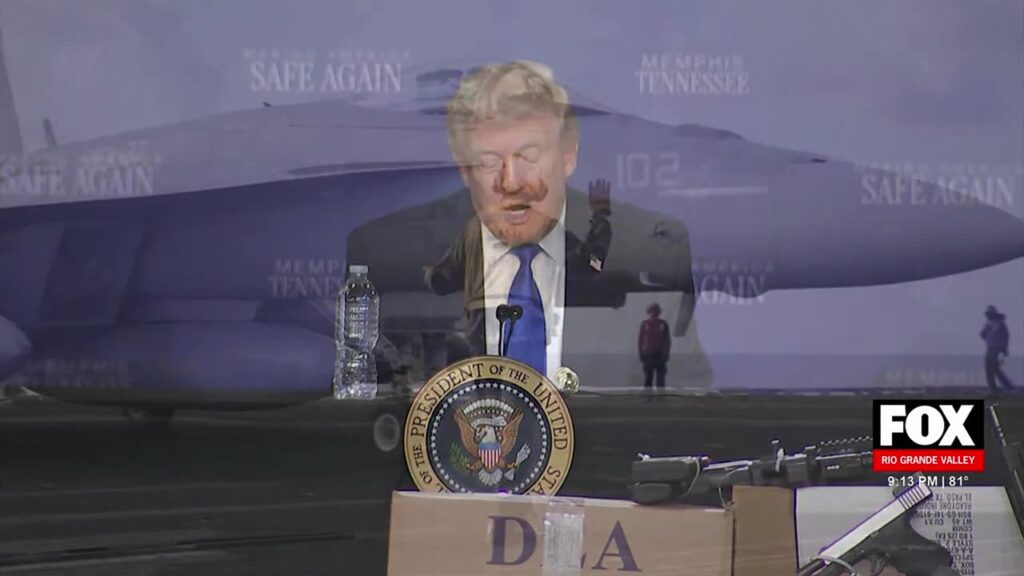
In recent times, diplomatic tension has been palpable between the United States, Israel, and Iran, especially in light of ongoing negotiations aimed at defusing the situation. President Trump, who had initially discussed the possibility of military action against Iranian nuclear facilities, has decided to pause and extend a grace period for talks to proceed. This decision has temporarily calmed the waters, allowing for potential progress in what has been a strained relationship characterized by threats and conflict.
The dynamic among the U.S., Israel, and Iran is complex, with each country having its own strategic interests and regional influences. The shift towards diplomacy might open new avenues of cooperation or at least reduce the immediate threat of conflict. While the immediate focus is on nuclear disarmament, the broader implications involve energy markets, regional security, and international relations.
Background of the Conflict
The roots of the current diplomatic strife can be traced back to longstanding tensions involving Iran’s nuclear ambitions and its role in regional geopolitics. The tensions escalated following a series of U.S. and Israeli air strikes aimed at degrading Iran's military capabilities. These strikes, targeting Iran's Navy, Air Force, and weapons facilities, have significantly impacted the nation’s defense posture.
The situation further gained complexity with influential Iranian military leaders being killed in these operations, leading to a precarious balance with potential global consequences. With President Trump’s cautionary stance and readiness to engage in talks, however, there's hope for a diplomatic resolution, albeit fraught with challenges.
Political Implications
The decision by President Trump to delay further military actions hinges on Iran's adherence to potential agreements, primarily those regarding nuclear disarmament. Such conversations are crucial since they have the potential to alter the regional geopolitical landscape immensely. If successful, these talks could lead to eased sanctions, impacting Iran's economy positively and stabilizing the oil markets.
International observers are keen to see how these negotiations unfold, considering the strategic significance of the region. Any agreement could serve as a reference point for future diplomatic engagements in conflict zones worldwide and impact U.S. diplomatic standing globally.
Reactions and Market Impact
The international community has reacted with mixed sentiments to the recent developments. Markets, in particular, responded positively with a notable drop in oil prices due to reduced fears of immediate conflict, and various stock indices witnessing a spike as investor confidence ticked upwards.
Despite these positive economic indicators, skepticism remains high. Iranian officials have yet to publicly acknowledge any profound concessions, challenging the narrative coming from the U.S. This has led analysts to speculate that the announcement might be a strategic ploy impacting economic conditions temporarily.
There is a wary optimism that a successful outcome of these talks could herald a new era of engagement between the West and Iran, though caution prevails given the volatility of past negotiations.
Additional Resources
For a comprehensive analysis of U.S. foreign policy, visit the U.S. Department of State. For more detailed coverage of Middle Eastern geopolitics, explore resources provided by The Ohio State University's Middle East Studies Center.