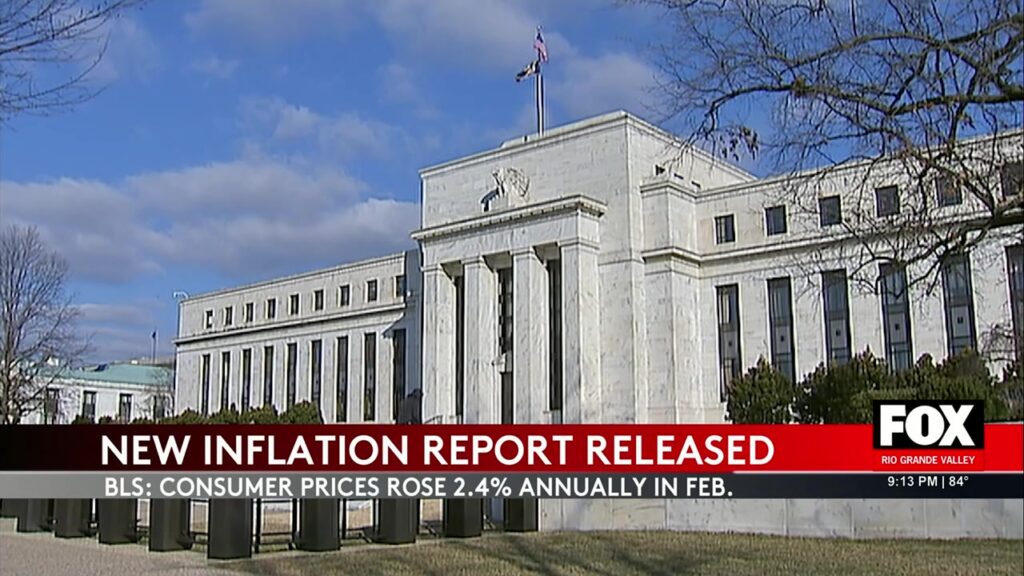
As global tensions rise, the international community closely watches the delicate dance between economic stability and geopolitical pressures. Recent developments in Iran have cast a shadow over economic forecasts in the United States, drawing attention to the intricacies of global trade and energy resources. Amidst these concerns, the steady 2.4% inflation rate in the U.S. stands precariously poised at the crossroads of economic certainty and potential upheaval.
American consumers are directly feeling the effects at the checkout lines as prices for essential goods show subtle yet concerning shifts. While groceries like eggs and butter have seen a decrease in cost, overall expenditures on food and energy continue to burden the average household. This economic landscape is set against a backdrop of increasing apprehension about the situation in Iran.
Impact of Geopolitical Tensions
The geopolitical tensions with Iran have notably disrupted global energy markets. Iran's strategic blockade of tanker shipments through the Strait of Hormuz has created a choke point, significantly affecting oil flow to international markets. This maneuver has driven oil and gas prices upward, fueling inflation fears and posing a potential threat to the economic status quo.
As a critical artery of global oil distribution, the Strait of Hormuz's obstruction amplifies the vulnerability of global energy security. Iran’s actions underscore the complex relationship between geopolitical strife and economic stability, highlighting how regional conflicts can ripple through international markets.
Government Measures
In an attempt to stabilize the volatile energy market, the International Energy Agency (IEA) has announced plans to release 400 million barrels of oil from strategic reserves. This initiative aims to counterbalance the supply disruption caused by Iran's actions. However, energy experts caution that while such measures might offer temporary respite, they do not necessarily signal a return to previous price levels or demand conditions.
The challenge lies in the balancing act between immediate relief and long-term sustainability. With the ever-present risk of prolonged geopolitical conflicts, energy policies must adapt to ensure economic resilience amid uncertainties.
Market Reactions
The Federal Reserve faces intense scrutiny as it prepares for its next policy meeting, where interest rate decisions could sway the trajectory of the U.S. economy. The Fed's challenge is to manage inflation without stifling economic growth—a difficult feat in an environment shadowed by international tension.
Market investors and economists alike are bracing for potential shifts in monetary policy. The Federal Reserve’s actions will be pivotal in either amplifying or mitigating the impact of external conflicts on domestic economic health. As such, the intersection of foreign policy and economic strategy becomes a focal point of discussion for policymakers navigating the complex global landscape.
Additional Resources
For further information on economic policies and international impacts, visit the Federal Reserve Board.