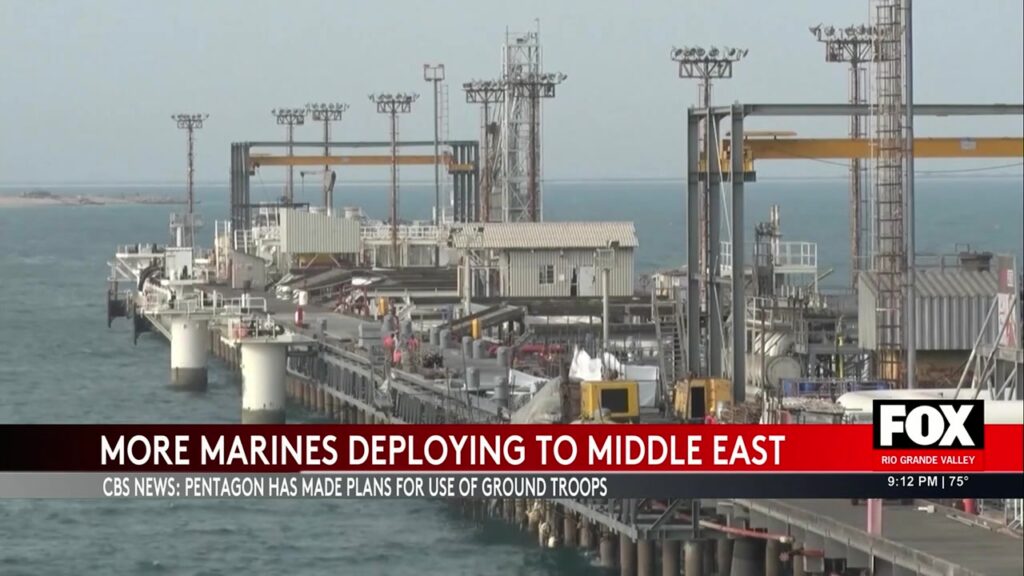
The United States is embarking on a significant military buildup in the Middle East, prompted by growing tensions over the strategic Strait of Hormuz. This strait is a vital passage for the global oil trade, and its security is paramount for maintaining global oil supply stability. As tensions mount over Iran's control of this pivotal waterway, the U.S. is responding by deploying additional military forces to the region. This article explores the geopolitical context, strategic maneuvers, and implications of this deployment.
With the deployment of approximately 4,500 U.S. sailors and Marines who set sail from California, the U.S. aims to ensure the uninterrupted flow of oil through the Strait of Hormuz. As the prospects of interfering with this passage loom due to Iran's tactical shifts, the U.S., under the leadership of President Trump, seeks to counter any adverse effects on this crucial trade route. The deployment's aim is to fortify air and naval capabilities, stabilizing this volatile region amid rising concerns globally.
Geopolitical Context
The Strait of Hormuz is critically important in the geopolitical landscape, acting as a gateway for a significant portion of the world's petroleum. Iran's proximity and influence over this strait position it as a strategic player capable of causing substantial global economic ramifications. The U.S. involvement aims to counteract potential threats that may arise due to Iran's political maneuvering and its advanced military presence in the area. This strategic strait influences oil market dynamics significantly, and any disruption can lead to heightened oil prices worldwide.
Simultaneously, the Middle East remains a region where multiple national interests intersect, contributing to a complex geopolitical narrative. The U.S. military's strengthened presence indicates a proactive approach to maintaining peace and economic stability in the region, which is vital for both America and its allies. As the international community watches with bated breath, U.S. actions in the middle east are subject to scrutiny, defining the broader political landscape.
Strategic Deployment
The recent deployment underscores a strategic enhancement of U.S. military capabilities in the region. With the inclusion of A-10 Warthogs and Apache helicopter units, the operation is aimed at defensive engagements to protect allied interests and ensure safe passage for commercial oil ships. These assets are equipped to handle potential aggressions from Iranian positions threatening the maritime security of one of the world's most strategically significant regions.
This strategic manoeuvre involves advanced military assets and coordination among allied forces, ensuring effective deterrence against Iranian hostilities. As the geopolitical environment remains uncertain, the U.S.'s military bolstering serves as a reassurance to allies who rely on uninterrupted energy supplies and fear economic destabilization.
Future Implications
The military buildup in the Middle East has Pharr-reaching implications beyond immediate tactical advantages. The geopolitical narratives shaped by this initiative are crucial for global oil market dynamics, affecting everything from gasoline prices in the United States to energy policies worldwide. The deployment not only aims to secure economic equilibriums but also to ally concerns over potential economic disruptions stemming from the strait's instability.
In addition, this military strategy foreshadows the potential diplomatic engagements between the U.S. and Iran, with the latter constantly maneuvering for leverage over global oil flows. The moves taken by the U.S. may prompt other global powers to weigh their strategic interests carefully, recalibrating their diplomatic and economic policies.
The U.S.'s approach to ensuring the Strait of Hormuz's security is a testament to its commitment to global stability, and the actions taken today will undoubtedly have long-lasting effects on international relations and global economic frameworks.
Additional Resources
For further details on U.S. diplomatic and military strategies, visit the U.S. Department of State's official website at state.gov.