Table of Contents
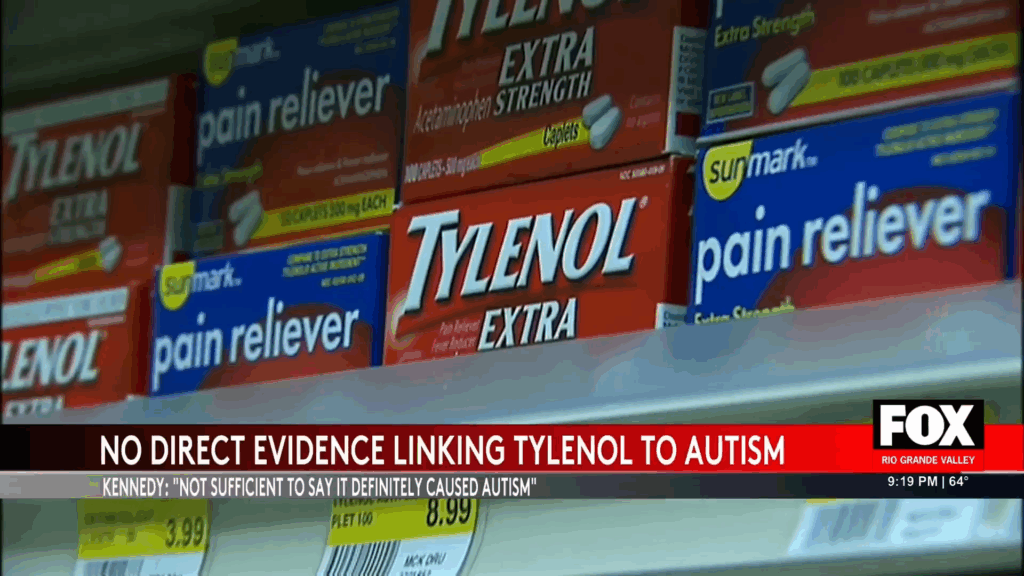
The unfolding drama around the Tylenol autism lawsuit has captured nationwide attention. Spearheaded by Texas Attorney General Ken Paxton, the lawsuit claims that the manufacturers of Tylenol knowingly marketed a product they were aware could be dangerous, specifically alleging a link between the use of acetaminophen and autism. This lawsuit marks a significant legal battle, further fueled by previous assertions made by HHS Secretary Robert F. Kennedy Jr. and former President Donald Trump.
Tylenol autism lawsuit: Legal Actions and Health Concerns
Ken Paxton's lawsuit against Tylenol's manufacturers is the first of its kind, following President Trump's bold social media assertions that cautioned against the use of Tylenol, especially for children. Paxton accuses the pharmaceutical companies of deceiving the public for decades, alleging that they endangered millions knowingly. Despite these claims, healthcare providers and organizations like the American College of Obstetrics and Gynecology continue to assert that there is no significant evidence linking acetaminophen to autism. Decades of research have shown that the occasional use of Tylenol is considered safe.
Clarifying Misconceptions: Robert F. Kennedy Jr. Speaks Out
Initially, Robert F. Kennedy Jr. echoed Trump's concerns, suggesting a potential link between Tylenol and autism. However, he has since moderated his stance, admitting there is no direct evidence to support a causative relationship between acetaminophen and autism. Kennedy now advises pregnant women and mothers of young children to consult their healthcare providers before making any decisions regarding Tylenol use. His nuanced position aims to balance caution with the reassurance that decades of studies have not established a direct link.
Additional Resources
For those seeking more information on this topic, consult the official website of the American College of Obstetrics and Gynecology, which provides guidance on the safe use of medications during pregnancy: acog.org.