Table of Contents
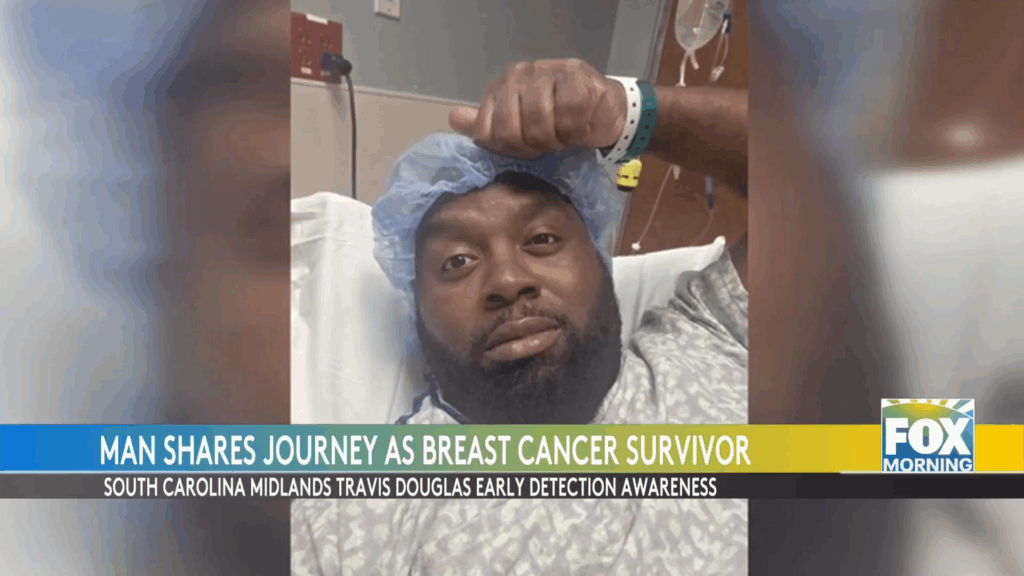
In a world where breast cancer is predominantly associated with women, Male Breast Cancer often flies under the radar. However, Travis Douglas, a 46-year-old hairstylist and recording artist from South Carolina, is changing that narrative with his inspiring story of survival and advocacy.
Travis Douglas: A Male Breast Cancer Survivor's Journey
Travis Douglas was diagnosed with stage one breast cancer in December 2023, a diagnosis that turned his life upside down. At first, the lump he discovered in his breast seemed like nothing more than a minor concern. However, the diagnosis hit him "like a ton of bricks." His journey through chemotherapy and surgery was grueling, but his determination to overcome male breast cancer never wavered.
Douglas's story is a powerful testament to the importance of early detection. According to the CDC, one out of every 100 breast cancers diagnosed in the United States occurs in men. Douglas's experience underscores the need for vigilance among men regarding their health, challenging the misconception that breast cancer is solely a women's issue.
Throughout his treatment, Douglas faced numerous challenges, including hair loss, body pain, and self-confidence issues. He admits, "Chemotherapy really beat me down," but his resolve to beat male breast cancer kept him going. Now cancer-free, Douglas urges men to pay close attention to their health and seek medical advice if they notice anything unusual.
The Importance of Early Detection in Male Breast Cancer
Douglas's story serves as a reminder that early detection is crucial in the fight against male breast cancer. He emphasizes, "Men, stay on your health. Early detection is always the best detection." His message is clear: if you notice anything abnormal, don't ignore it.
Travis Douglas's journey is not just a personal triumph; it is an inspiration for others. By sharing his story, he hopes to raise awareness about male breast cancer and encourage men to take proactive steps in monitoring their health. His experience serves as a rallying cry for early detection and timely medical intervention.
Additional Resources
For more information on breast cancer, visit the CDC's Breast Cancer page, a comprehensive resource for both men and women.