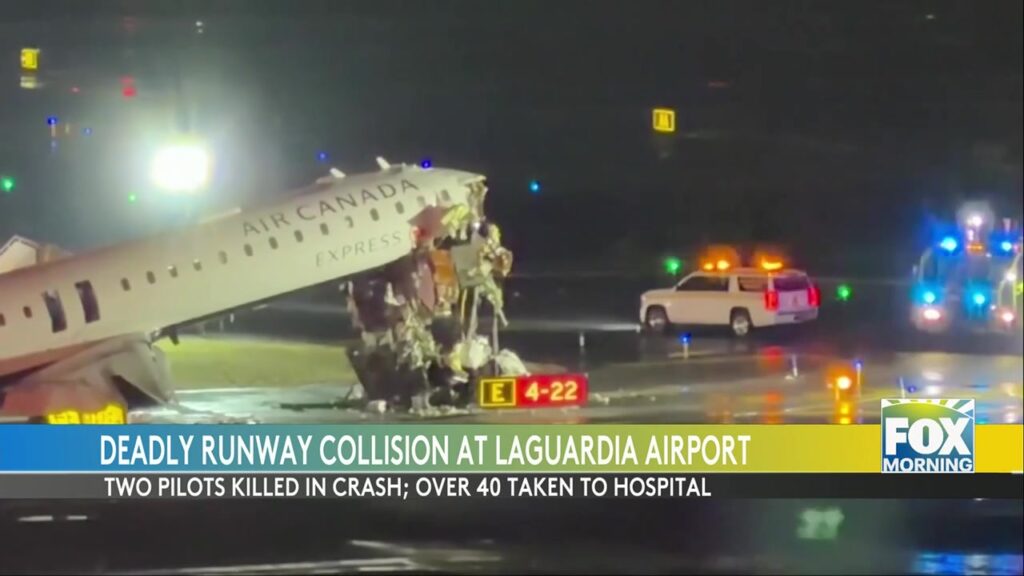
The peaceful nighttime operations at LaGuardia Airport were shattered last night by a tragic accident that resulted in the deaths of two Air Canada pilots and left more than 40 individuals injured. The collision involved an Air Canada flight, operated by Jazz Aviation, and a Port Authority vehicle on the tarmac. As the country grapples with this devastating event, authorities are working tirelessly to uncover the series of events that led to this disaster.
LaGuardia Airport, one of New York City's major airports, experienced chaos following the accident. Emergency services were swiftly deployed to the scene, highlighting both the unpredictability of airport operations and the need for rigorous safety measures. As federal officials delve into the investigation, the airline community and passengers alike are seeking answers and assurances for future travel safety.
Fox News correspondent Caroline Elias reported from the scene, detailing the impact and aftermath of the collision. This tragedy not only affects the victims and their families but also resonates within the aviation industry, raising questions about safety protocols and operational decisions within high-traffic airports.
Details of the Tragic Collision
The crash occurred as an Air Canada flight was making its way down runway four at LaGuardia Airport when it inadvertently struck a Port Authority aircraft rescue and firefighter truck. This vehicle was responding to a separate incident, underscoring the complex and often unpredictable nature of airport emergencies. LaGuardia, one of the busiest airports in the United States, necessitates a high level of coordination among its various operating entities to prevent such occurrences.
Data from FlightRadar24 indicated that the aircraft was traveling at a speed of approximately 24 miles per hour at the moment of impact. The force of the collision was sufficient to inflict extensive damage to the front of the aircraft, leading to a catastrophic outcome for those on board.
Initial Reports and Response
Upon notification of the accident, emergency crews arrived promptly and commenced rescue operations. Their dedicated efforts helped transport the injured to local hospitals, where they received immediate medical attention. In the wake of the incident, the Federal Aviation Administration (FAA) imposed a ground stop, halting flights to ensure the safety of remaining airport operations and to facilitate the ongoing investigation.
The swift response from the emergency services is commendable, reflecting their preparedness and dedication. Their actions prevented further escalation of the disaster and provided crucial assistance to the injured.
Investigative Measures Underway
The FAA, along with other key investigative organizations such as the National Transportation Safety Board (NTSB), now faces the critical task of piecing together the sequence of events leading up to the crash. Investigators are examining why the aircraft was on a collision course with the responding vehicle and what procedural lapses may have contributed to this tragic event. In addition to human error, factors such as mechanical failures or communication breakdowns are also being considered.
As the investigation unfolds, the aviation community and the public await insights that could help mitigate future risks. The conclusions drawn will be vital in refining airport safety protocols and possibly introducing new regulations aimed at preventing similar incidents in high-traffic areas.
Additional Resources
For the latest updates and official information, please visit the Federal Aviation Administration's website: FAA.