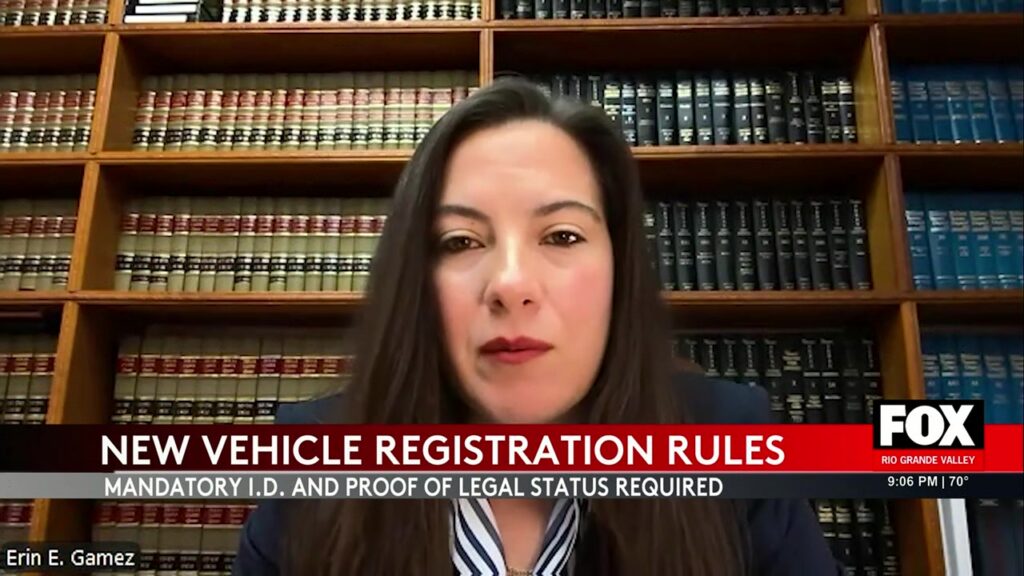
As Texas residents navigate the state's evolving vehicle registration landscape, a new regulation has generated significant discussion among lawmakers and the public. This recent policy change comes on the heels of administrative decisions bypassing the traditional legislative process, sparking concerns over its impact on Texans, especially those with uncertain legal statuses. Effective from March 5th, 2023, the rule mandates that individuals provide valid identification and legal status documentation when registering a vehicle or obtaining a title. With vehicle registration renewals set to be included come January 1st, this directive has Pharr-reaching implications that echo through Texas's legal and social spheres.
Lawmakers are questioning the implementation of these rules without the usual legislative debate, which ensures democratic scrutiny and public input into state-level decisions that affect millions. The unfolding discussion casts a spotlight on the balance between administrative expedience and the need for inclusive policymaking.
Controversial Vehicle Registration Rule Implemented
The introduction of the new vehicle registration requirement in Texas has given rise to a political storm. To register a vehicle or obtain a title, individuals must now present valid identification and proof of legal status in the United States. This regulation, implemented through administrative channels rather than the legislative process, has stirred criticism among key stakeholders, suggesting a potential overreach of administrative authority. The regulation challenges not only the process but also the principles of democratic governance, as policies affecting millions of residents should ideally undergo legislative debate and approval.
Although the rule has been active since March 5th, its full implications are yet to be seen. Come January 1st, 2024, registration renewal processes will also fall under these requirements, further broadening its reach across the state's diverse demographic.
Lawmakers Express Concerns
Prominent voices in Texas, including State Representative Aaron Gamas, have raised alarms about the state's approach to implementing this directive. The crux of their argument lies in the bypassing of legislative scrutiny—a vital element for establishing policies that impact the public at large. Lawmakers posit that such a substantial legal shift deserves thorough examination and public discourse, rather than a hasty administrative decision.
Furthermore, the requirements have prompted concerns regarding specific groups, particularly undocumented individuals, who may face significant difficulties obtaining the necessary documentation. Critics argue that the lack of transparency and legislative input in the policy's development could deepen inequities and hinder individuals who already grapple with accessing essential services.
Potential Impacts and Humanitarian Considerations
While the policy aims to integrate vehicle registration with legal status verification, it inadvertently poses risks that may produce adverse societal effects. A primary concern is the potential increase in uninsured vehicles on the road, prompted by barriers this policy presents. Should individuals struggle with compliance, the rule could undermine public safety by increasing the number of unregistered or uninsured vehicles.
Moreover, this regulation adds pressure to the state’s infrastructure systems such as tax collection and registration facilities, possibly exacerbating operational bottlenecks that exist within these state services. Staff at these institutions, already stretched thin, might face surging workloads and backlog issues, leading to inefficiencies and strained public service capabilities.
The policy's implications go beyond bureaucratic challenges to touch on humanitarian issues, questioning the fair and equal treatment of all Texans within legal confines. As conversations unfold across communities statewide, there is an underlying call for an equitable approach that considers the nuances of each resident's situation and fosters an inclusive legal environment.
Additional Resources
To learn more about vehicle registration and legal requirements in Texas, please visit the Texas Department of Motor Vehicles.