The state of Texas is undergoing significant changes to its Supplemental Nutrition Assistance Program (SNAP), known locally as the Lone Star Card program. These changes mark a pivotal point in the state's efforts to promote healthier eating habits among its population. Starting soon, recipients of SNAP benefits will encounter a new set of purchasing restrictions that target sugary foods and beverages. This initiative is a response to rising health concerns such as obesity and diabetes, but it is also stirring a debate about the actual impact on the beneficiaries and local economies.
Texas Health and Human Services, the agency overseeing SNAP in the state, has taken a bold step by enforcing these new provisions. While the intention is to improve public health, the pragmatic execution of these policies is proving to be a challenge, eliciting responses from both beneficiaries and retailers statewide. As these changes come into effect, nearly 3.5 million Texans, who rely on SNAP, will need to adapt to the updated regulations affecting their grocery shopping experiences.
Health-Driven Policy Changes
In an era when health-conscious choices are increasingly gaining traction, the move by Texas Health and Human Services can be seen as an attempt to address nutritional health issues at the policy level. SNAP benefits are designed to help low-income families purchase food, and these benefits now increasingly focus on promoting healthier lifestyle choices by restricting items with added sugars.
The decision follows similar trends in various states and aims to reduce the consumption of sugary items, which are linked to adverse health outcomes. The restrictions include candy, chocolate, gum, any sweets with five grams or more of added sugar or artificial sweeteners, and sugar-coated fruits and nuts. By enforcing these exclusions, officials hope to encourage the purchase of more wholesome foods.
New Restrictions Unveiled
The prohibited items list is expected to help guide recipients toward more nutritious purchasing decisions. Texas officials believe that eliminating these unhealthy options from SNAP purchases will help beneficiaries make more informed decisions about their diets, which in turn can alleviate public health challenges associated with poor nutrition.
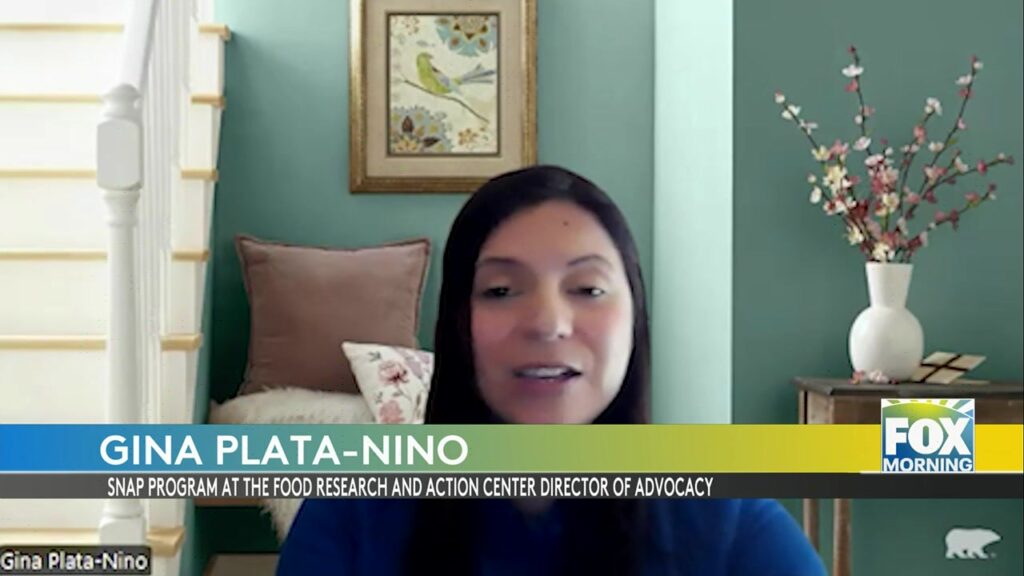
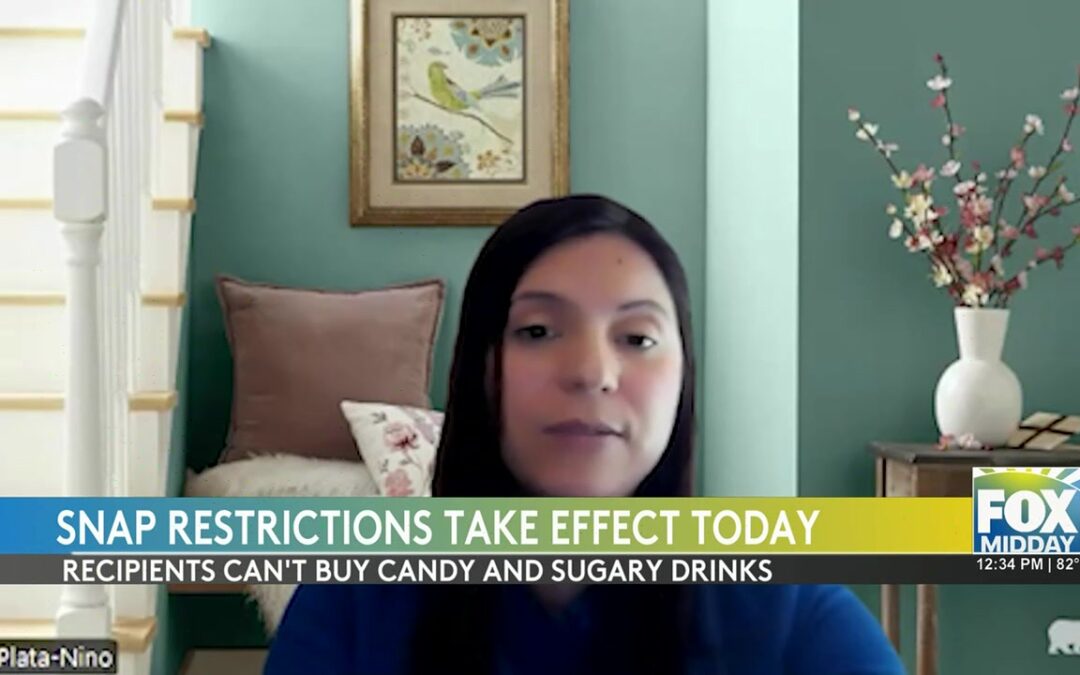
However, Gina Platonino of the Food Research and Action Center raises concerns over the practical implications of such regulation. She points out that, currently, no official list of restricted foods has been provided, leading to uncertainty and confusion at the retail level. Not only do customers face difficulties at checkout, but cashiers are also put in the position of navigating these new, yet unofficial, guidelines.
Confusion and Economic Impact
The process isn’t without its potential pitfalls. Retailers, particularly those who rely heavily on SNAP sales, fear that these changes could alienate a significant portion of their clientele. The added complexity of determining what is and isn't allowed could deter smaller stores from participating in the SNAP program altogether, which in turn would restrict access for those heavily reliant on these benefits.
Moreover, these changes come with broader economic implications. As retailers adjust to the new guidelines, operational challenges may arise, potentially impacting store revenues. Especially in areas with high SNAP utilization, such as Edinburg, Mission, and other cities across the state, the economic repercussions could be significant.
Beyond financial concerns, there is a cultural element at play. Food choices are personal, often tied to tradition and cultural preference. Limiting options can be perceived as a top-down intervention that undermines personal autonomy, making these restrictions a point of contention among many SNAP recipients.
Additional Resources
USDA: Supplemental Nutrition Assistance Program (SNAP)