Table of Contents
Introduction
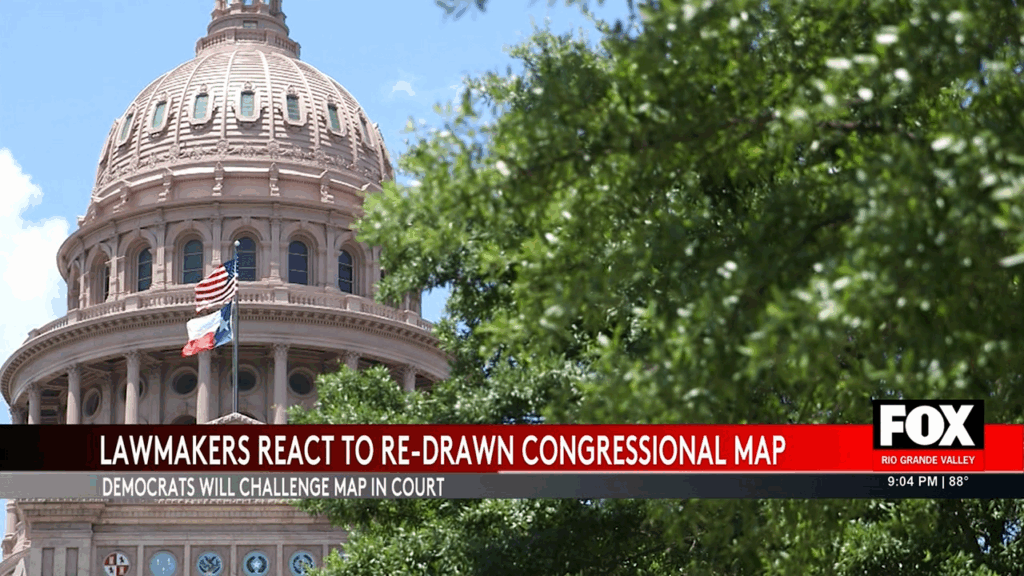
The recent redistricting efforts in Texas have set the stage for a political showdown, as the state Senate's newly approved congressional map seeks to secure five additional Republican seats. This move has ignited a fierce debate among lawmakers and activists, with Democrats and civil rights groups voicing strong opposition.
Republican Gains and Democratic Resistance
The Texas Senate's approval of the GOP-backed congressional map has stirred significant controversy. With the 2026 midterms on the horizon, the redrawn districts are poised to bolster the Republican stronghold in the state. GOP leaders argue that this is a positive development for Texas, citing potential benefits such as reduced taxes, deregulation, and enhanced border security.
However, the Democratic Party remains steadfast in its opposition. They have vowed to challenge the map's implementation, contending that the changes are designed to marginalize minority voters. The NAACP has already initiated legal proceedings, labeling the map discriminatory against people of color.
Voices from Both Sides
US Senator Ted Cruz has been vocal in his support for the redistricting, emphasizing the advantages it could bring to Texas residents. "I think that's a good thing," Cruz remarked, pointing to the unified Republican leadership as a boon for the state.
Conversely, Congressman Henry Cuellar finds himself in a complex position. While the new District 28 lines may initially seem favorable to him, as they include areas he previously represented, Cuellar opposes the map. He argues that the changes, despite potentially increasing his Democratic support, are part of a broader strategy that undermines fair representation.
Legal Battles Ahead
The path to enacting the new districts is fraught with legal challenges. Once Governor Greg Abbott signs House Bill 4 into law, Democrats have pledged to file a lawsuit aimed at blocking the map's implementation. This legal battle is likely to be a protracted one, with significant implications for the political landscape of Texas.
Conclusion
As the redistricting saga unfolds, the stakes are high for both parties. The outcome will not only impact the 2026 midterms but also set a precedent for future redistricting efforts across the nation. For Texas voters, the debate raises critical questions about representation, fairness, and the balance of power.
Additional Resources