Table of Contents
Introduction
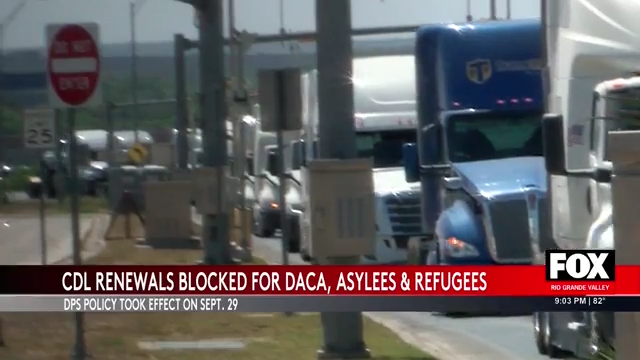
A recent policy update by the Texas Department of Public Safety (DPS) has stirred significant discourse among truck drivers and immigration advocates across the state. The new mandate halts the renewal of Commercial Driver’s Licenses (CDLs) for non-citizens, specifically targeting refugees, asylees, and DACA recipients. This shift, aimed at enhancing road safety, has been met with mixed reactions from the community and industry leaders.
Details of the New Policy
On Monday, the Texas DPS announced its decision to discontinue the renewal of CDLs for certain non-citizens. The department claims that this measure is part of their effort to maintain safety on Texas roads. However, this decision directly affects non-citizen truck drivers who depend on these licenses for their livelihood.
Community and Industry Response
The Texas Trucking Association, which represents a substantial portion of the state's truck drivers and companies, has voiced its response. John Diasparza, President and CEO of the association, underscored the importance of maintaining uniform CDL standards that ensure safety while allowing seamless interstate commerce. Any policy adjustments, he emphasized, should balance stringent safety measures with the capability of professional drivers to operate legally across state boundaries.
Community members have also expressed their concerns. One resident remarked, "If they can do the work, honest work, why stop it? If someone has a permit to work, it shouldn't affect whether they can receive a license." Many believe that allowing non-citizens to continue working as commercial drivers could boost the region’s economy by creating more job opportunities.
Legal Perspectives and Advice
An immigration attorney provided insights into possible legal avenues for affected individuals. The attorney suggested that non-citizens explore alternative options, such as adjusting their immigration status through petitions filed by family members, to potentially regain eligibility for CDL renewals.
Economic Implications
The policy change could have far-reaching economic implications, especially for drivers who rely on their licenses to support themselves and their families. As the trucking industry is a backbone of interstate commerce, any disruption could have ripple effects on the supply chain and local economies.
Conclusion
As Texas navigates this significant policy shift, the balance between ensuring road safety and supporting the livelihoods of non-citizen workers remains a topic of debate. The coming months will likely see continued discussions and possibly legal challenges as the affected communities and industry stakeholders seek clarity and potential resolutions.
Additional Resources
Texas Department of Public Safety