Table of Contents
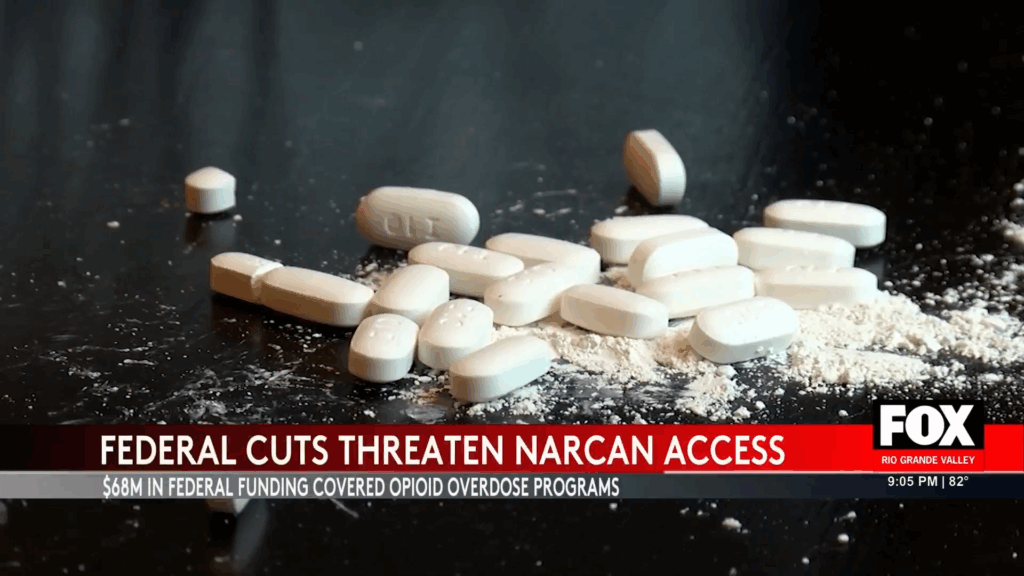
The Texas opioid crisis is at a critical crossroads following a devastating $68 million cut in federal funding. This financial reduction threatens the sustainability of essential recovery programs that have been pivotal in combating opioid addiction across the state. The loss of funding could severely impact the availability of Narcan, a life-saving medication used to reverse opioid overdoses, and other addiction recovery services.
Impact of Federal Funding Cuts on Texas Health Departments
Texas health departments and nonprofits have relied heavily on federal Covid relief funds to maintain and expand their opioid addiction recovery programs. These funds have been instrumental in providing free naloxone, commonly known as Narcan, to individuals, families, and communities affected by opioid addiction. Without this financial support, many local departments may find it challenging to continue offering these vital services.
Health experts emphasize the importance of having Narcan available, particularly for elderly individuals on medication or cancer patients, as narcotics are frequently used in their treatments. Family members are often encouraged to keep Narcan at home to administer in emergencies if a patient shows signs of overdose, such as difficulty breathing.
Struggle for New Support Amidst the Texas Opioid Crisis
The Texas opioid crisis has seen significant improvements due to these programs, but the potential scaling back or shutdown of services could reverse this progress. Many local health departments are now urgently seeking alternative funding sources to sustain these life-saving initiatives. The community and healthcare providers are raising their voices, urging state and federal authorities to step in and bridge the funding gap.
The loss of support for addiction recovery programs could have dire consequences, not only for those directly affected by opioid addiction but also for families and communities across Texas. As the state grapples with this crisis, maintaining access to Narcan and other recovery resources remains a top priority for those on the front lines of the battle against opioid abuse.
Additional Resources
For more information on the Texas opioid crisis and the efforts to secure new funding for recovery programs, visit the Texas Department of State Health Services.