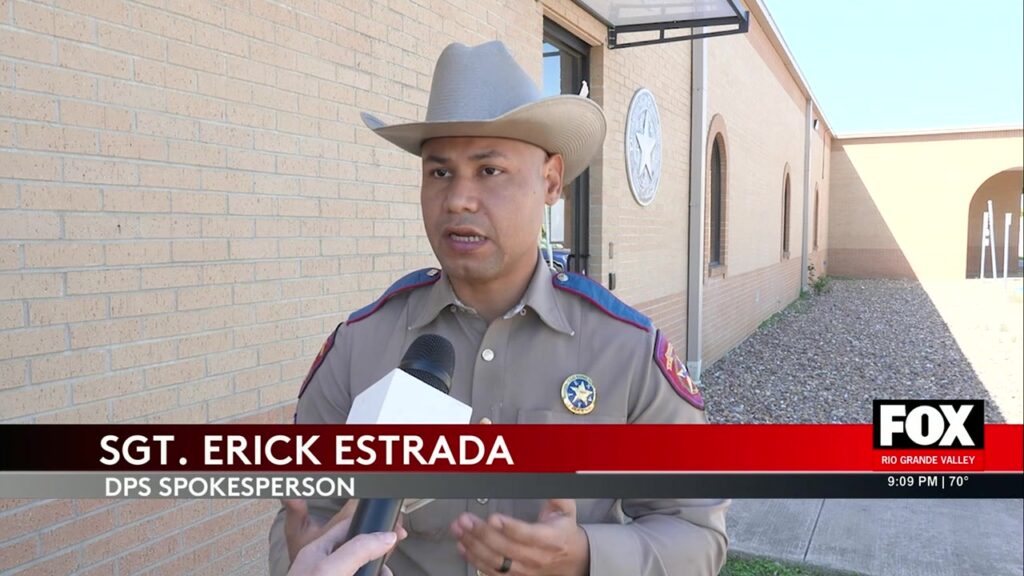
Amidst the rapidly evolving landscape of digital communication, the Texas Department of Public Safety (DPS) has issued a cautionary notice concerning a new wave of text message scams targeting residents. These fraudulent messages claim to originate from state agencies such as the Department of Motor Vehicles, falsely asserting that recipients owe fines and face arrest if they do not comply with the payment demands. The DPS has taken a proactive stance in educating the public about these scams and urging vigilance to prevent falling prey to these deceptive tactics.
The scamming surge coincides with broader trends in cybercrime where fraudsters attempt to exploit individuals' trust in official-sounding communications. These attempts to mislead citizens through impersonation of government entities underline the need for an ongoing commitment to public awareness and digital literacy.
Understanding the Threat
The messages, crafted with alarming precision, employ intimidation tactics to instill fear and urgency. Recipients are coerced into believing that their situation is dire, prompting them to click on links designed to resolve these fictitious debts. Once clicked, these links can redirect individuals to malicious websites, potentially compromising sensitive personal information. By leveraging the authority associated with state agencies, scammers enhance the perceived legitimacy of their requests, luring uninformed individuals into their trap.
These scams are not just a threat to the individual recipient but also pose a broader security risk, contributing to the growing issue of identity theft. Scammers capitalizing on the widespread use of mobile devices and the trust individuals place in text-based communication magnify the potential impact of their deceitful approaches.
Official Response and Protective Steps
In response to these mounting threats, Texas authorities have been vocal in their advisory against responding to such messages. The DPS emphasizes that legitimate notices of outstanding fines or legal matters are traditionally communicated through official mail channels rather than impersonal text messages. This distinction is vital for residents to keep in mind as they evaluate the authenticity of communications purportedly from state entities.
Authorities encourage individuals to pause and critically assess sudden and urgent payment requests received via text. By abstaining from clicking on any links or complying with requests from these messages, potential victims can thwart scammers’ efforts to access personal data. Additionally, they suggest directly contacting the relevant agency through official contact methods available on government websites for verification.
What to Do If Targeted
For individuals who receive these scam messages, taking proactive steps towards verification is crucial. Engaging with local law enforcement through verified contact numbers and consulting official websites can effectively authenticate any claims made through these suspicious texts. Maintaining a cautious approach and staying informed about the latest scam tactics are central to safeguarding oneself from falling victim to such fraud.
With phishing threats becoming increasingly sophisticated, awareness is the first line of defense. Regularly updating mobile device security settings, enabling two-factor authentication, and installing reliable security software can further shield against these threats. Residents should prioritize both digital education and the dissemination of this critical knowledge within their communities.
Additional Resources
For more comprehensive advice on identifying and avoiding scams, visit the Federal Trade Commission (FTC) consumer resources page. Additionally, residents interested in learning more about protective strategies can explore resources offered by the Texas Attorney General's Office at texasattorneygeneral.gov.