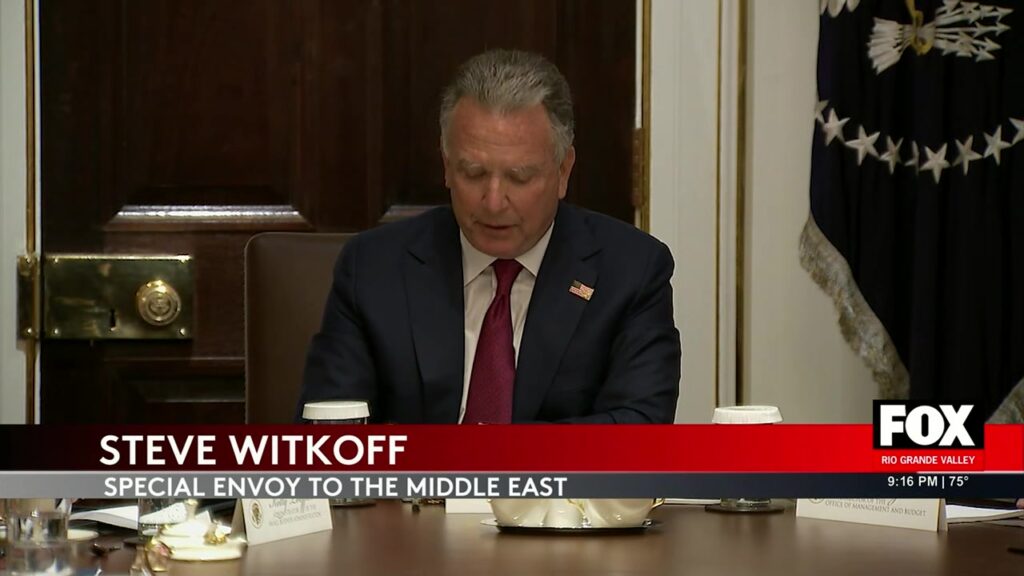
Amid escalating conflicts in the Middle East, President Trump asserts that Iranian leaders are actively seeking to de-escalate tensions and end the ongoing hostilities. This claim comes during a period of heightened military actions, which have put the region on high alert. While the President's statements suggest an openness to dialogue from Iran, discrepancies between U.S. narratives and Iran's public stance complicate the situation.
The international community is closely watching these developments, as any potential agreement between the U.S. and Iran could significantly alter the geopolitical landscape. Trump's emphasis on Iran's supposed eagerness to negotiate comes after a month of intense strikes on Iranian assets. As we await further developments, the role of neutral parties like Pakistan in facilitating communication highlights the complexities of international diplomacy.
The Peace Negotiations
President Trump's announcement of ongoing discussions, allegedly backed by a comprehensive 15-point peace plan, introduces hope amid prolonged conflict. The alleged involvement of Pakistan, a key regional player, acts as a vital intermediary channel in these interactions. Despite public denials by Iranian authorities, Trump maintains that these behind-the-scenes talks signal significant progress.
The potential agreement, whose details remain under wraps, could pave the way for substantial political and economic changes. If realized, it may temporarily settle one of the world's most fraught tensions. The abatement of military hostilities would relieve regional pressures and potentially open pathways for broader discussions involving international stakeholders.
Mixed Reactions
The prospect of an imminent de-escalation has drawn mixed reactions from the global community and U.S. allies. Some fear a premature cessation of conflict might lead to unexpected vulnerabilities and a power vacuum that could destabilize the region further. The shift in dynamics might render some nations unable to adjust quickly enough, creating new power imbalances.
On Capitol Hill, there is concern about the ramifications of an expanded American military footprint in a region fraught with volatility. Lawmakers are wary about overextending U.S. commitments and the potential political fallout from perceived capitulation to Iranian demands. The administration's balancing act between showing strength and being open to dialogue remains under sharp scrutiny.
Unresolved Tension
The situation is marked by fluidity and uncertainty, with numerous variables complicating predictions about future developments. Many analysts stress that the geopolitical landscape requires careful diplomacy and measured actions. Ensuring regional and global stability hinges on navigating the multifaceted interests of involved nations.
As talks reportedly unfold, external factors, such as domestic political pressures within both the U.S. and Iran, as well as shifting alliances and the influence of neighboring countries, play critical roles in the outcome. Observers emphasize that resolving these tensions requires not just bilateral negotiations but engagement with global powers and regional stakeholders to craft lasting peace.
Additional Resources
For more insights into U.S.-Iran relations and ongoing diplomatic efforts, visit the U.S. Department of State.