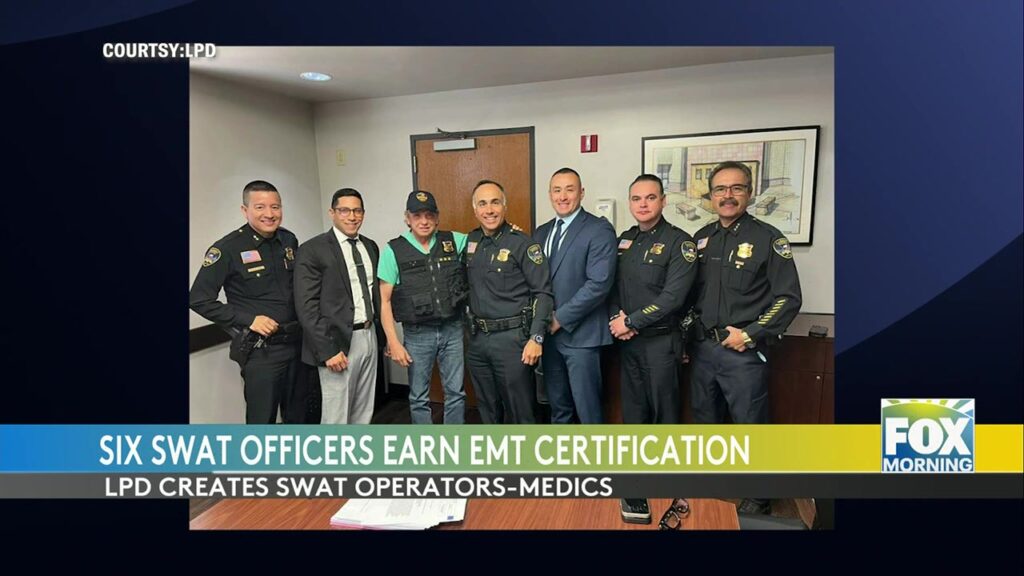
The past few years have seen a significant evolution in police training, reflecting the growing complexity of law enforcement responsibilities. The Laredo Police Department's recent initiative, where six SWAT team officers have completed a medical certification program, is a testament to this trend. This specialized training enables these officers to provide essential medical care in high-risk scenarios, thereby enhancing their operational capabilities.
This initiative comes at a critical time when the role of law enforcement is continually being reevaluated to better meet the needs of the communities they serve. By integrating medical emergency training into their repertoire, SWAT teams not only extend their skill sets but also reinforce their commitment to public safety and welfare.
A New Frontier in Police Training
Six officers from the Laredo Police Department have completed a rigorous medical certification program, equipping them to provide medical care in high-risk situations. This extensive training, which spanned from October through March, signifies an important step in enhancing the capability of the SWAT team. By preparing these officers to handle medical crises directly, the department aims to minimize casualties and improve survival rates in critical operations.
The training covered a wide array of skills, including tactical emergency casualty care, which is integral during engagements where medical personnel may not immediately be available. Officers were trained to stabilize injuries, control bleeding, and provide life-saving interventions.
Program Details and Impact
The new SWAT medical operator program emphasizes realistic, scenario-based training, which mirrors the unpredictable nature of real-world situations. Directed by Dr. Ahturo Garza Gondora, a respected figure in emergency medical services, the program is a collaborative effort between the police and fire departments. Dr. Gondora, serving as the medical director and a TCAL technician, plays a pivotal role in tailoring the curriculum to meet the unique demands of tactical scenarios.
By the end of the training, officers are not only proficient in new medical skills but also have a deeper understanding of how to employ these techniques effectively under stress. This integration is crucial during the initial minutes of an incident, known as the "golden hour," when prompt medical intervention can dramatically improve outcomes.
Community Benefits
This development is expected to significantly enhance the safety and security of both officers and civilians by providing immediate medical attention before conventional medical services can arrive. The ability of SWAT team members to perform life-saving procedures on the spot could make a crucial difference in the aftermath of high-risk police operations.
Moreover, the community gains a level of reassurance knowing that their law enforcement agents are better equipped to manage emergencies. In a broader sense, this initiative fosters trust and goodwill between the Laredo Police Department and the residents they serve by demonstrating a proactive approach to addressing emergent public safety challenges.
As this program evolves, it may serve as a model for other law enforcement agencies, illustrating the benefits of cross-disciplinary training. The integration of medical skills into law enforcement work reinforces the holistic approach that is increasingly necessary in today’s complex environment.
Additional Resources
For more information on law enforcement medical training programs and the development of similar initiatives across the country, you can visit leb.fbi.gov. This resource provides comprehensive insights and details about ongoing programs in various federal law enforcement agencies, serving as a crucial guide for departments looking to expand their training horizons.