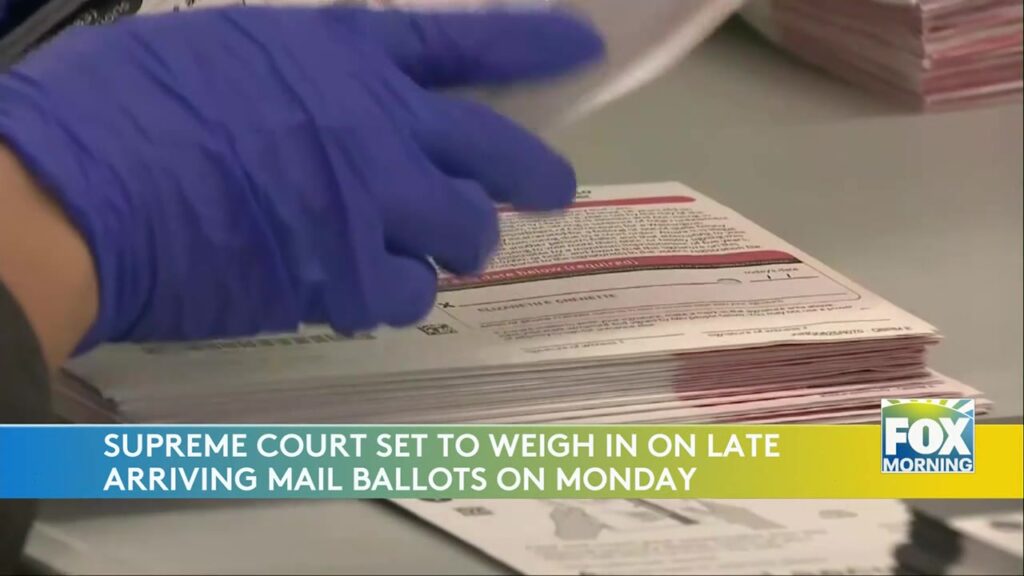
The Supreme Court of the United States is preparing to deliberate on a pivotal case concerning voting laws in America. This case comes at a time when the nation is grappling with evolving electoral processes, especially in light of the increased use of mail-in ballots. As political tensions run high, the decision made by the Supreme Court could have substantial implications, particularly for upcoming elections.
The case in question, Watson v. Republican National Committee, centers around whether mail-in ballots that are postmarked by Election Day but arrive after can still be counted. Currently, this practice is allowed in 14 states and the District of Columbia, which provide a grace period. An additional 29 states and the District of Columbia also extend deadlines for military personnel and overseas voters. However, the rules and duration of these grace periods differ significantly across state lines, resulting in a patchwork of policies.
Upcoming Court Ruling on Voting Laws
Central to the Supreme Court's deliberation is Mississippi's current policy, which allows mail-in ballots to be counted if they arrive within five days post-Election Day, provided they are postmarked by Election Day. This policy has sparked debate and legal challenges, particularly from the Mississippi Libertarian Party, who filed lawsuits in anticipation of the 2024 elections. Mississippians, among others, are watching closely as these court proceedings could determine the fate of their votes.
Opponents of extended grace periods, including former President Donald Trump, argue that allowing ballots to be counted after Election Day opens the door for potential voter fraud. They believe that a firm deadline could ensure more secure elections. Conversely, supporters insist that eliminating these grace periods could disenfranchise legitimate voters who, due to postal delays or other extenuating circumstances, are unable to have their votes counted if received after Election Day.
Implications for State and Federal Elections
Beyond the specifics of Mississippi's policy, the ruling's implications have a broad reach. If the Supreme Court decides against the Watson perspective, it could standardize voting policies across the nation, ensuring consistency but potentially at the cost of disenfranchising some voters. Alternatively, a ruling in favor of flexibility may endorse the existing model used by many states, potentially leading to more varied state practices.
This case is not just about one state's laws but is emblematic of nationwide conversations about voting rights, election security, and voter access. Election officials and lawmakers from various states are closely monitoring the proceedings, aware of the potential ripple effects on both state and federal elections.
Stakeholders and the Future of Voting
The political ramifications of the upcoming Supreme Court decision are significant, with both Democratic and Republican parties heavily invested in the outcome. For Democrats, extended deadlines might ensure broader access to voting, especially among demographics that face systemic barriers to in-person voting. For Republicans, tighter deadlines could be seen as a way to maintain election integrity and eliminate perceived vulnerabilities in the voting process.
The outcome will not only set a precedent for future court rulings but will also signal how America might conduct its elections in the years to come. As the nation inches closer to the next presidential election, the rules governing how votes are counted become profoundly consequential.
Additional Resources
To stay informed on the progress of this case and access the Supreme Court's opinions, visit their official site: US Supreme Court.