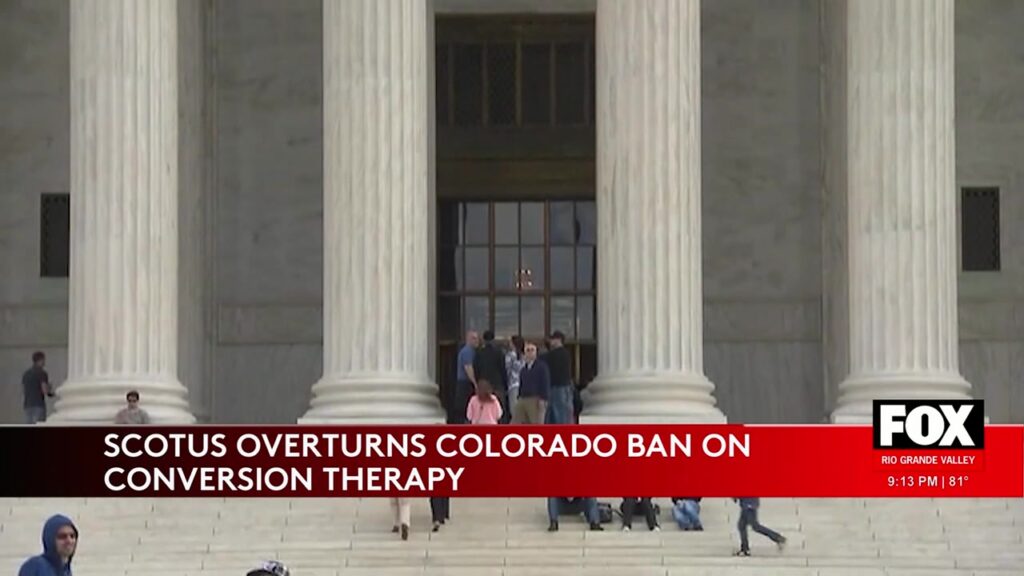
The Supreme Court's recent decision to send a case challenging Colorado's ban on conversion therapy back to the lower courts marks a pivotal moment in the ongoing legal battle surrounding this controversial practice. Conversion therapy, aimed at changing an individual's sexual orientation or gender identity, has long been criticized for its harmful effects, particularly on minors. The decision, while not invalidating Colorado's existing law, opens the door for further legal scrutiny and debate.
This case gains significance against the backdrop of broader national discussions about LGBTQ rights, religious freedom, and the legal boundaries between them. The Supreme Court's ruling does not offer a final verdict on these contentious issues but suggests a necessary reconsideration of how state laws intersect with constitutional rights, particularly the First Amendment right to freedom of religion.
A Landmark Legal Ruling on Conversion Therapy
In sending the case back to the lower courts, the Supreme Court has signaled the need for a comprehensive judicial review of the law and its implications. At the heart of the lawsuit is the plaintiff, supported by a religious organization, who contends that Colorado's ban infringes upon religious freedoms. This argument highlights the ongoing tension between allowing religious expression and protecting individuals, especially minors, from practices deemed psychologically damaging.
The dissenting opinion by Justice Ketanji Brown Jackson underscores the complexity of the issue. Justice Jackson, the only dissenter on the bench, has voiced concerns about the potential ramifications of the court's decision, especially as it relates to similar bans in other states. Her critique brings to light the significant challenges faced by LGBTQ advocacy groups seeking national consensus against conversion therapy.
Impact on LGBTQ Advocacy and Legal Landscape
The implications of this ruling are considerable for LGBTQ advocates, who argue that conversion therapy is not only ineffective but also deeply harmful. Organizations across the country have been working tirelessly to pass legislation that protects minors from this practice, often framing it as a necessary part of safeguarding the mental health and well-being of young LGBTQ individuals.
As the legal battle continues in lower courts, the outcome may set critical precedents affecting the legality of conversion therapy bans nationwide. The discourse generated by this case will likely focus on the delicate balance between religious freedom, as guaranteed by the First Amendment, and the states' responsibility to protect vulnerable citizens. It prompts broader questions about the extent to which government can regulate professional conduct, even when intersecting with religious beliefs.
Ongoing Legal Debates and Future Outlook
The return of the case to lower courts heralds a new phase of legal discourse and potentially protracted legal battles that can reshape the landscape of both LGBTQ rights and religious freedoms. Legal analysts and commentators are keenly observing the unfolding developments, aware that the judicial system's evolving approach will have deep ramifications on social norms and legal precedents.
This decision by the Supreme Court can serve as an impetus for other similar cases nationwide, warranting a close watch on how state and federal courts interpret and apply constitutional principles in these contexts. The future of conversion therapy, and by extension, the protection of LGBTQ rights, remains uncertain, requiring vigilance from advocacy groups and the public alike.
Additional Resources
For those seeking further information on LGBTQ rights and related legislation, resources can be found at lambdalegal.org. Additionally, the United States government provides guidelines on legal practices and civil rights at justice.gov/crt.