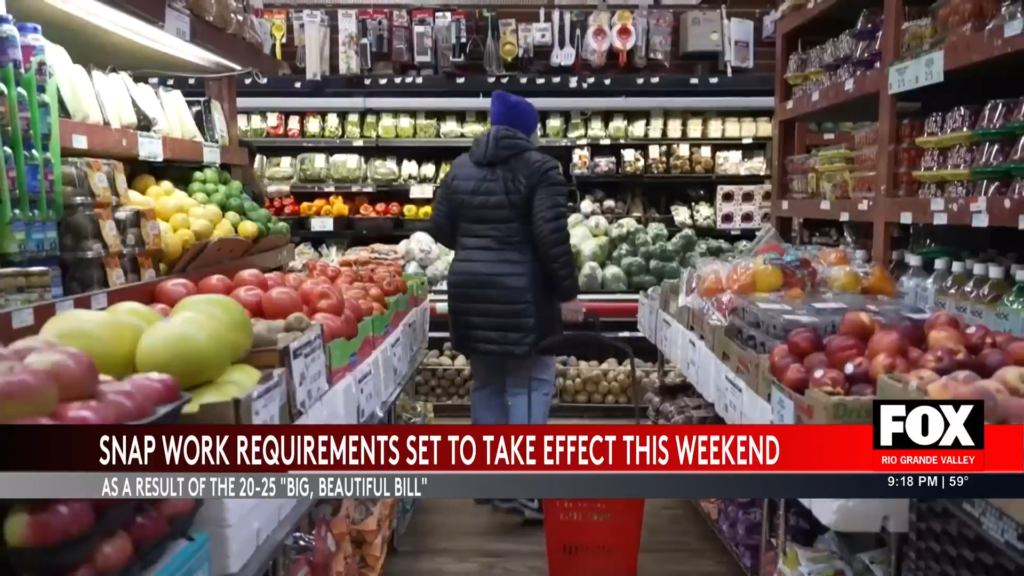
The Supplemental Nutrition Assistance Program, commonly known as SNAP, is undergoing significant changes that will affect millions of Americans. These changes are set to take effect this Sunday as part of the 2025 Big Beautiful Bill, signed into law by President Donald Trump on the Fourth of July. The modifications include new work requirements and adjusted age limits, which are expected to have a profound impact on SNAP beneficiaries.
Understanding the New SNAP changes
The primary modification in the SNAP program revolves around the implementation of stricter work requirements. Previously, able-bodied adults without dependents could receive benefits for up to three months over a three-year period. However, under the new rules, this time limit remains, but the age limit for these adults has been increased from 54 to 64. This change aims to encourage a larger segment of the population to join the workforce, aligning with the goals of the Big Beautiful Bill.
Additionally, the age of exemptions for those responsible for a child has been lowered from 18 to 14. This means that parents of children aged 14 or older will now be subject to the same work requirements as those without dependents. The Congressional Budget Office projects that these changes will result in 1.1 million people losing their SNAP benefits between 2025 and 2034. This includes 800,000 able-bodied adults without dependents and 300,000 parents up to age 64 with children 14 or older.
The Impact on Vulnerable Populations
The changes to SNAP have raised concerns among non-profit organizations like Hunger Free America. They argue that certain populations of adults may face challenges in securing employment and providing the necessary documentation to prove they are meeting the work requirements. This could exacerbate food insecurity for many families who rely on SNAP benefits to make ends meet.
The Big Beautiful Bill has sparked a debate on the balance between encouraging workforce participation and ensuring that vulnerable populations have access to essential nutrition assistance. While the intentions behind the changes are to promote self-sufficiency, critics warn that the new requirements could leave many struggling to meet basic needs.
Additional Resources
For more information on the SNAP program and the Big Beautiful Bill, visit the official U.S. Department of Agriculture website at https://www.fns.usda.gov/snap.