The Supplemental Nutrition Assistance Program (SNAP) is a vital service for millions of Texans, aimed at providing nutritional assistance to low-income individuals and families. Recently, new rules have been introduced in Texas that restrict the ability of SNAP beneficiaries to purchase certain sugary foods and beverages using their Lone Star cards. These changes have stirred discussions about their implications on public health and the operational dynamics for retailers and beneficiaries.
The Texas Health and Human Services Department announced that under the new guidelines, SNAP benefits can no longer be used to buy a range of sweetened products. This includes candy, chocolate, gum, and beverages that contain five grams or more of added sugars or artificial sweeteners. While the intention behind these rules is to promote healthier dietary habits among SNAP recipients, the implementation of these guidelines poses logistical challenges.
Policy Details and Implications
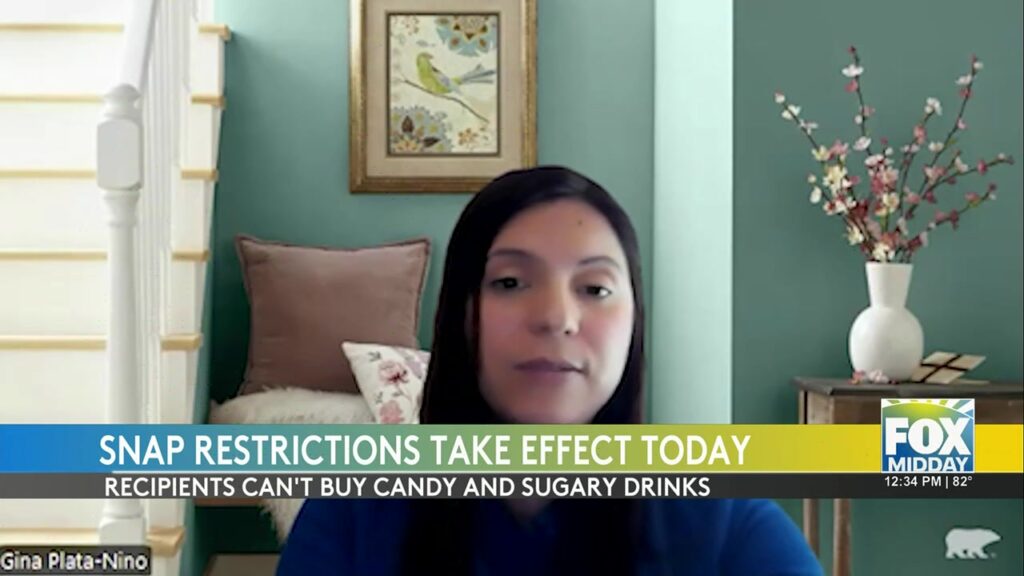
The restrictions are part of an effort to encourage healthier eating habits and address the rising concerns related to sugar consumption, obesity, and related health issues in the state. Yet, there is significant ambiguity regarding what specific products are prohibited. Gina Platanino from the Food Research and Action Center highlights a major issue: there is currently no comprehensive list of items that fall under the new restrictions.
This absence of a clear 'prohibited items' list is likely to lead to confusion at checkout counters, as both customers and cashiers may struggle to understand which items are eligible for purchase with SNAP benefits. This uncertainty can slow down the shopping process and potentially create stress and confrontation at the point of sale.
Community and Economic Impact
The broader implications of these new rules could have significant effects on local communities and economies. The Food Research and Action Center's Gina Platanino warns that these changes might disincentivize small and medium-sized grocery stores from participating in the SNAP program. Implementing the restrictions could be seen as burdensome, leading some shops to possibly opt out of accepting SNAP benefits altogether.
Furthermore, about 3.5 million Texans who rely on SNAP benefits for their nutritional needs are expected to be affected. This could result in changed shopping patterns, as beneficiaries are forced to adapt to the new limitations. Retailers in Texas are concerned that these alterations might drive loyal customers away, especially if the shopping experience becomes overly complicated or frustrating.
Public Health Considerations
Health initiatives have long advocated for reducing sugar intake to better overall public health, and this policy aligns with those objectives. Excessive sugar consumption is linked to numerous health issues, including obesity, type 2 diabetes, and heart disease. By restricting sugary items, the policy could potentially encourage healthier eating habits among SNAP beneficiaries, contributing to a decline in chronic health conditions over time.
However, critics argue that such paternalistic approaches might not effectively change eating habits and instead create additional financial strain on low-income families. The question remains as to whether these new SNAP rules will indeed promote healthier choices or merely complicate food access for those in need.
Future Directions
Advocates suggest that for these changes to have a positive outcome, they must be accompanied by educational campaigns focused on nutrition and healthy shopping practices. Additionally, clarity and communication are crucial. Providing a clear and exhaustive list of restricted items and educating both beneficiaries and retailers about these changes could ease the transition and enhance compliance.
Additional Resources
For more information about the SNAP program and specific updates about food purchasing guidelines, visit the USDA SNAP Program page at USDA SNAP Program.