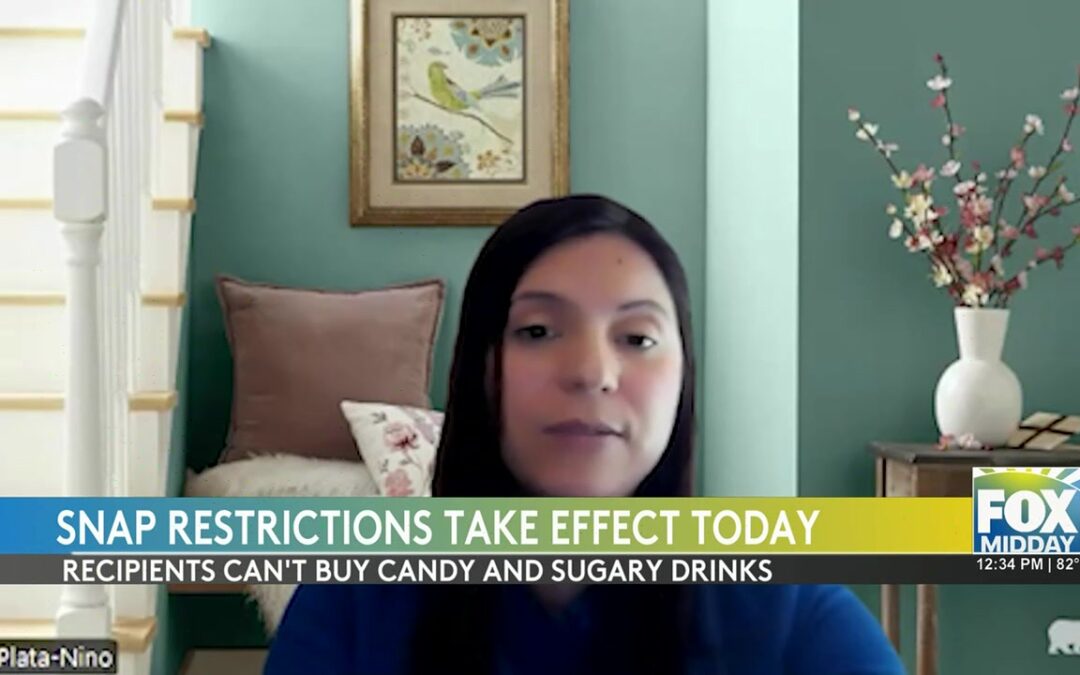
Recent changes have been introduced to the Supplemental Nutrition Assistance Program (SNAP) in Texas, aiming to steer recipients towards healthier grocery shopping choices. These modifications will commence in April, triggered by a state initiative supported by a USDA waiver. This is a direct response to rising health concerns linked to sugar consumption, and state legislators are hoping that this move will contribute to improved public health outcomes.
The Texas SNAP program, a crucial safety net aiding low-income residents in affording nutritious food, will now include restrictions that limit what beneficiaries can purchase. Items such as candy bars, gum, and sugary drinks have been removed from the list of eligible purchases under Senate Bill 379, passed in 2025. This policy is an attempt to curb the intake of sugar-laden snacks and drinks among individuals and families who may rely heavily on the program for their daily nutritional needs.
Details of the New Policy
The policy changes set forth by Senate Bill 379 redefine the scope of permissible items purchasable with SNAP benefits. As part of the reform, products with added sugars or artificial sweeteners, commonly found in candy bars, gum, and sugary drinks, are no longer allowed. However, exceptions are made for certain beverages; those containing milk products or beverages comprising more than 50% fruit or vegetable juice remain eligible for purchase. This distinction highlights the focus on promoting more nutritious options within the confines of natural ingredients.
The broader intention behind these changes is to foster a healthier diet among SNAP recipients, which could contribute to reducing health risks associated with high sugar consumption, such as obesity, diabetes, and other related chronic conditions.
Perspectives on Policy Shift
The legislative move has drawn mixed reactions from various stakeholders. Proponents argue that it is a necessary step toward combating the pervasive public health issues linked to sugary diets. By limiting access to high-sugar foods through SNAP, they hope to nudge recipients toward more wholesome dietary regimes, potentially leading to better health outcomes and reduced healthcare costs in the long term.
Conversely, critics contend that these limitations may impose additional burdens on SNAP users who might face challenges in adapting to the new restrictions. There are concerns that the policy could inadvertently limit personal agency and choice, forcing individuals to adjust abruptly to a different shopping pattern that they may not be readily accustomed to.
Additionally, there is some apprehension about the transitional logistics of educating recipients about the new changes. Ensuring that SNAP beneficiaries understand the new rules is pivotal to the success of these changes, necessitating clear communication from both government bodies and local support organizations.
The Role of Food Banks and Support Programs
In light of these changes, local food banks, such as the Food Bank RGB, play a critical role in ensuring the program’s smooth transition. On Tuesday, March 24th, from 10 a.m. to 11:30 a.m., they will conduct a "Choices Program" distribution for residents of Sebastian. Such initiatives aim to support individuals in the adjustment phase by providing access to healthier foods, consistent with the new SNAP guidelines.
Programs like these are essential in mitigating the potential negative impact of the policy change on certain SNAP users, offering them alternative solutions and supporting their nutritional requirements. These community-based efforts ensure a safety net during the transition and emphasize the importance of community engagement in public health strategies.
Additional Resources
For more information and official guidelines on the changes in SNAP policies, visit the USDA's SNAP page. This government resource provides detailed answers to frequently asked questions, explains eligibility criteria, and offers insight into the objectives and outcomes of the SNAP program.