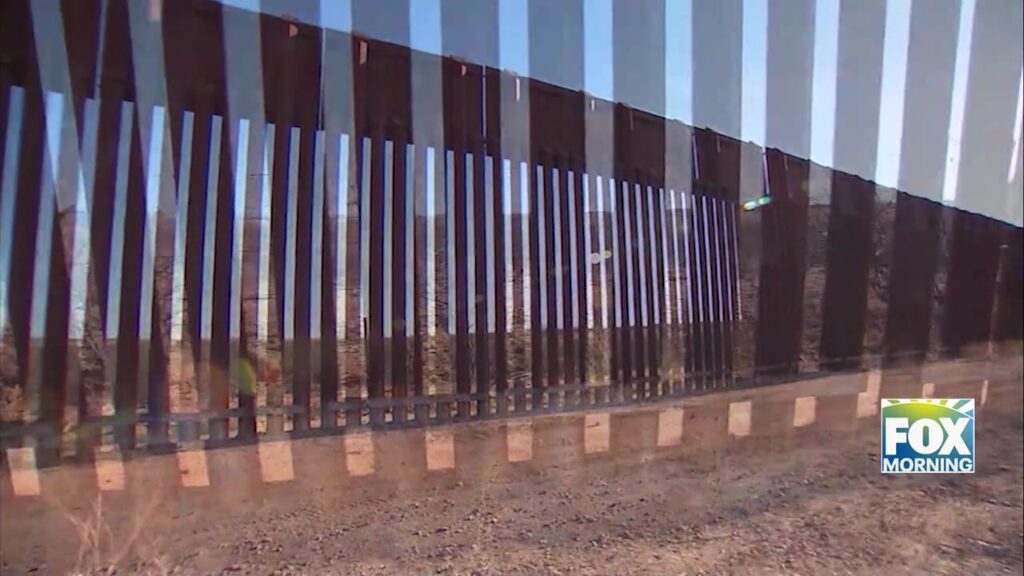
The debate over securing the United States-Mexico border has taken a new turn with the proposal of the Smart Wall project, slated to bring advanced technology into border security. This innovative approach is expected to include features such as buoys, 30-foot steel barriers, high-intensity lights, and state-of-the-art cameras. These technology enhancements aim to improve surveillance and security efforts along the border. However, the potential environmental impact of such a project has sparked significant debate among various stakeholders.
As discussions progress, the Smart Wall is becoming a focal point for a broader conversation about balancing technological advancements in security with environmental sustainability. The debate underscores a longstanding challenge in public policy: the need to protect national interests while preserving the natural environment that sustains countless species and ecosystems.
Smart Wall Researches Technological With Environmental Consequences
The Smart Wall project represents a significant shift in how border security could be managed, offering an alternative to traditional physical barriers. By incorporating sophisticated technologies, it promises enhanced detection capabilities and an overall increase in border security. This approach ties into the broader policy trend of smart technology usage in public services, aimed at achieving efficiency and effectiveness.
However, the proposed installation of towering steel barriers and high-intensity lighting along the border raises major environmental concerns. Environmentalists and conservation groups have voiced alarm over the possible disruption to local ecosystems, which include a diverse range of fauna and flora. The habitats in areas like the Rio Grande Valley, for instance, support creatures such as the endangered ocelot and a variety of bird species that rely on these ecosystems for survival.
Concerns Over Environmental Sustainability
Building any large infrastructure presents challenges, but the Smart Wall introduces additional complexities due to its unique integration of technology and natural environments. Critics argue that such development threatens biodiversity, water flows, and animal migration patterns that are crucial for maintaining regional ecological balance.
Proponents of the Smart Wall, however, suggest that technology can play a dual role by enhancing security while potentially offering avenues to mitigate environmental impacts. For example, the use of drones could reduce the need for physical patrols, thereby lessening human interference in fragile ecosystems. Nonetheless, these assurances have yet to sway all parties involved.
A Project Progressing Amid Debate
As of now, the Smart Wall project is progressing but remains fraught with uncertainty regarding its construction timeline and execution plans. The debate continues to unfold, entwining local communities, policymakers, and environmentalists in a complex discourse about the future of border regions.
Public opinion is divided, with many residents along the border areas expressing concerns about the practical implications of such a project on their daily lives and the environment. At numerous public hearings, local communities have voiced fears about ineffective communication and lack of transparency from authorities about the project's potential effects.
In response, federal officials have established a specialized committee to rigorously evaluate environmental risks and technological benefits associated with the Smart Wall. This evaluation process is critical, as it will guide decision-making in balancing security needs with environmental protection.
Ultimately, the future of the Smart Wall and its role in national border security is still under analysis. Stakeholder engagement and comprehensive impact assessments will likely dictate whether this initiative is perceived as a progressive solution or a controversial development in border management.
Additional Resources
For more information on environmental reviews of federal projects, visit the Environmental Protection Agency's official website. This resource provides extensive guidance on regulatory requirements and standards essential for evaluating environmental impacts associated with large-scale infrastructure projects.