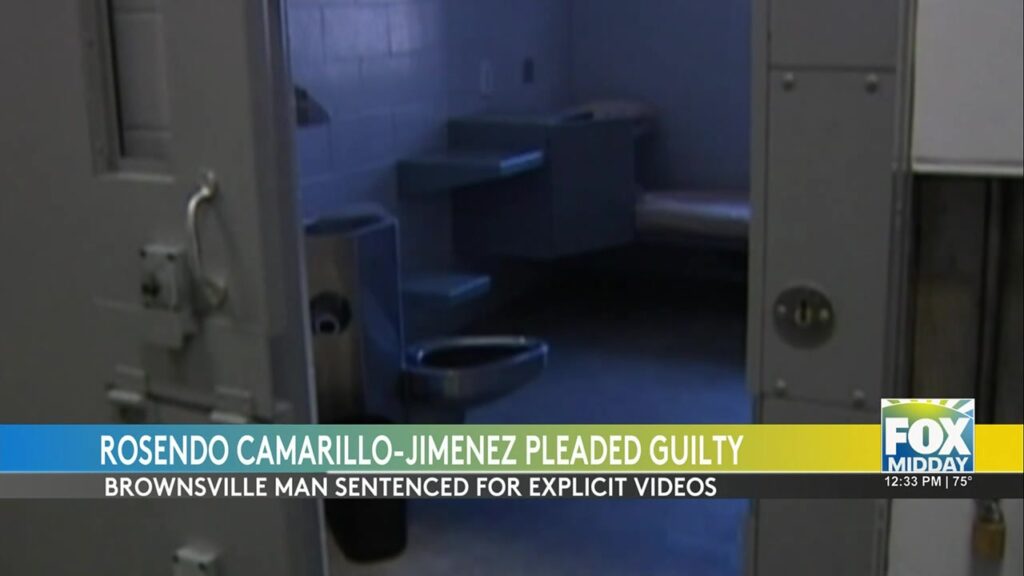
The unsettling case of Rosendo Camarillo Jimenez, from Brownsville, Texas, has reached a grim conclusion with his sentencing for producing sexually explicit content involving a minor. This instance highlights the alarming realities of child exploitation and casts a necessary light on the rigorous law enforcement efforts that work tirelessly to safeguard vulnerable populations from predatory behaviors. As communities around the nation continue to reckon with such horrifying realities, the case underscores the critical importance of vigilance and proactive measures to protect children.
Jimenez's case is unfortunately not isolated, as similar incidents across the United States have underscored an urgent need for robust legal frameworks and community awareness. In recent weeks, planned events addressing these issues in cities like Houston, San Antonio, and Corpus Christi have been initiated or postponed, emphasizing the significance and reach of these societal challenges. The collective focus aims to galvanize governmental and civic commitment towards eradication of such crimes.
The Case Unfolded
Rosendo Camarillo Jimenez pled guilty and was sentenced to 121 months in federal prison, to be immediately followed by three years of supervised release. His arrest came after an exhaustive investigation that concluded with the execution of a search warrant at his residence in Brownsville. During this operation, law enforcement found homemade videos that documented Jimenez assaulting a minor, a discovery both chilling and deeply distressing. The videos, which were created in 2003, brought renewed attention to the staggering challenges involved in swiftly bringing such crimes to justice when significant time has elapsed.
Legal Proceedings and Sentencing
The prosecution of Rosendo Camarillo Jimenez marks a significant victory in the fight against child exploitation, showcasing the justice system's commitment to combating such heinous activities. From indictment to eventual sentencing, the proceedings underscore the judicial system's dedication to delivering justice in protracted and challenging cases. Given the severity of Jimenez’s actions, his punishment also serves as a critical deterrent to potential offenders within the community, reinforcing societal norms and legal frameworks that protect children from abuse.
The Path Forward
While the resolution of Jimenez's case marks a closure of sorts, it underscores the ongoing need for vigilance and proactive measures—both legal and social—to safeguard children against exploitation. In accordance with widespread child protection initiatives, authorities urge community engagement and vigilance in identifying and reporting signs of abuse. Education and awareness journeys remain indispensable tools of prevention, helping form a bulwark against the potential for future harm.
Organizations and governmental agencies are working tirelessly to create programs that support both the prevention of child exploitation and assist victims in their recovery. Community resources, partnered with law enforcement, play a pivotal role in identifying, preventing, and addressing such grievous offenses swiftly, thus supporting the uninterrupted ecosystem aiming for child safety.
Additional Resources
For further initiatives on child safety, advocacy, and reporting suspicious activities, consider visiting the Department of Justice's Project Safe Childhood. This platform offers educational and operational resources designed to protect children from exploitation and provide comprehensive support for victims.