In recent months, there has been a notable rise in measles cases across the United States. This concerning trend has prompted renewed calls from public health experts for increased vaccination efforts to prevent further outbreaks. Despite high levels of vaccination throughout the second half of the 20th century, which significantly reduced the incidence of measles in the U.S., recent declines in vaccination rates threaten public health achievements.
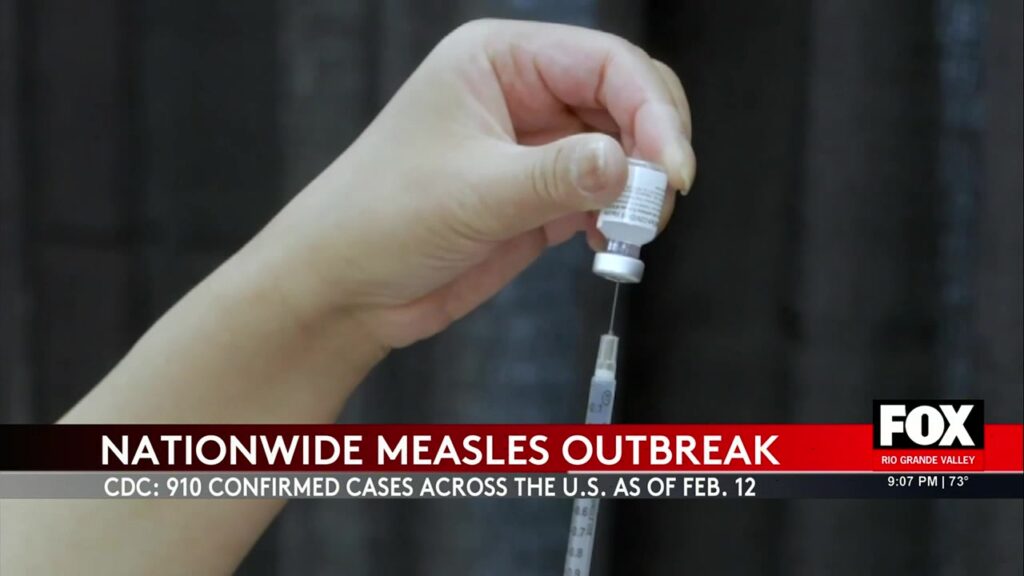
The Center for Disease Control and Prevention (CDC) has reported 910 confirmed measles cases as of February 12th, with five additional outbreaks this year alone. This resurgence comes amid a broader decline in vaccination rates among children, raising concerns about the potential for even more widespread outbreaks, particularly of a new variant of the measles virus, which appears to be more contagious than previous strains.
Measles on the Rise
The upward trend in measles cases poses serious concerns for public health officials. Characterized by its highly contagious nature, the measles virus spreads through respiratory droplets when an infected person coughs or sneezes. Early symptoms include fever, runny nose, and a cough, often followed by a distinctive rash – a hallmark of the infection. These outbreaks are not just a U.S. phenomenon; they reflect a global challenge with implications for international travel and public health.
For many, measles might still conjure images of a mild childhood illness, but the complications associated with it can be severe. These include pneumonia, encephalitis (swelling of the brain), and even death. Because of this, the increase in measles cases is particularly concerning to healthcare professionals and public health experts.
Importance of the MMR Vaccine
The resurgence of measles underscores the critical importance of vaccinations, particularly the MMR vaccine, which protects against measles, mumps, and rubella. The CDC recommends two doses of the MMR vaccine because of its efficacy: the first dose typically administered between 12 and 15 months of age and the second between 4 and 6 years. Together, these doses are 97% effective at preventing measles.
Despite the vaccine's high efficacy, the recent decline in vaccination rates among children is alarming. Factors contributing to this decline include vaccine misinformation, the availability of vaccine exemptions, and the disrupted health services during the COVID-19 pandemic. In some communities, fear and misinformation about the safety and necessity of vaccines persist, undermining public health efforts to control the disease.
Community Health Initiatives
In response to the rising number of measles cases, health departments have launched several community health initiatives to improve vaccine coverage. Mobile health clinics have been established in areas with lower vaccination rates to provide free and accessible vaccinations to children and adults. These clinics are crucial in rural and underserved areas where access to healthcare can be limited.
Public health campaigns are also being enhanced to provide clear and accurate information about the safety and effectiveness of vaccines. By addressing vaccine hesitancy and increasing public awareness, health officials aim to increase vaccination rates and thereby curb further measles outbreaks.
The collaborative efforts between local, state, and federal health agencies intend to reinforce community immunity, also known as herd immunity. When a large portion of a community is vaccinated, it helps protect those who cannot be vaccinated, such as newborns and individuals with certain health conditions.
Additional Resources
For more information on measles and vaccination guidelines, visit the Centers for Disease Control and Prevention website. The CDC provides a wealth of resources to educate the public about vaccine schedules, recommendations, and the importance of staying up-to-date with vaccinations to protect individual health and public safety.