The escalating conflict in Iran has begun to hit home for many Americans, not just through broadcast news and diplomatic briefings, but acutely at the gas pump. As tensions rise in the Middle East, the ripple effects on global oil supply are being felt by consumers across the United States. This unprecedented situation has thrust gasoline prices to new heights, prompting concerns from economists and politicians about potential long-term impacts on the national economy.
In the current geopolitical climate, proactive measures and strategic responses are critical. The rising cost of fuel is not only an economic issue but also a matter of national resilience and energy independence. As communities brace for the repercussions, many ask how long these circumstances will persist and what can be done to mitigate the financial strain.
Price Surge at the Pump
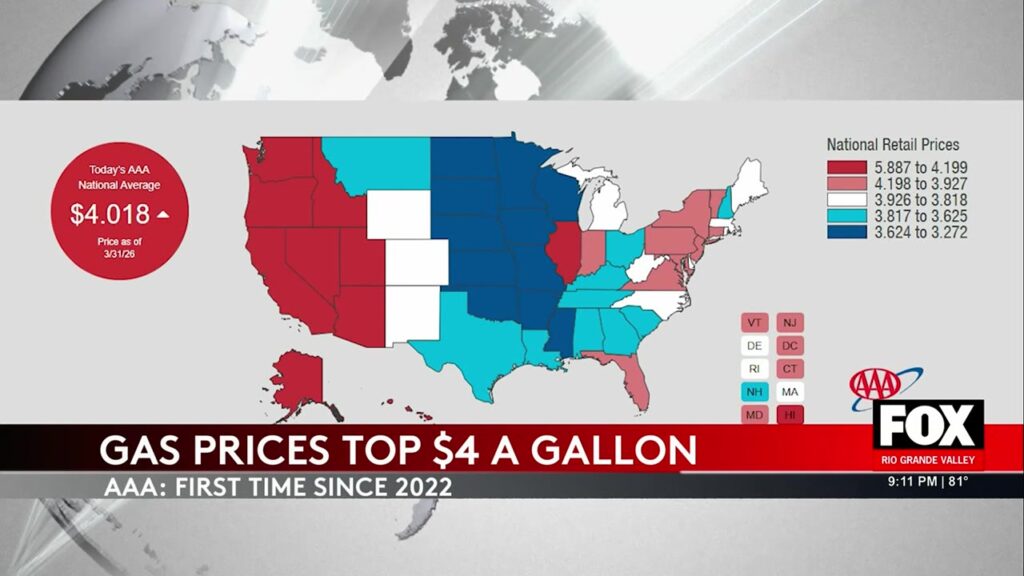
Americans across the nation are witnessing the direct impact of the Iranian conflict, with average gas prices surpassing the $4 per gallon mark for the first time since 2022. In states like California and Washington, prices have exceeded $5 per gallon, igniting significant frustration among commuters and prompting political leaders to demand decisive action. This price surge has not only strained personal budgets but also elevated the tension surrounding U.S. energy policies.
Historically, fuel prices are closely linked to geopolitical stability. As one of the largest producers of oil, Iran plays a substantial role in global oil markets. Any disruption from this region tends to send shockwaves across global supply chains, which is precisely what is occurring now. The blockage of critical shipping lanes by Iran is further exacerbating the situation, creating a bottleneck that drives prices skyward.
Diesel and Economic Implications
While gasoline prices receive much of the public's immediate attention, the increase in diesel costs also poses significant threats to the economy. Diesel is the lifeblood of commercial transportation and logistics, being indispensable for trucking and freight operations nationwide. As diesel prices reach historical peaks, the cost of transporting goods rises accordingly. This scenario is likely to lead to increased prices for groceries, clothing, and other consumer goods as corporations adjust to absorb heightened operational expenses.
Furthermore, the strain on supply chains caused by increased fuel costs can potentially lead to logistical inefficiencies, stock shortages, and heightened inflationary pressures. For businesses already grappling with pandemic-related recovery issues, these added challenges could impede economic growth, affecting everything from unemployment rates to international trade relations.
Potential Resolutions and Ongoing Tensions
Despite the volatile conditions, potential resolutions are being explored. Strategic actions by U.S. policymakers, including proposed diplomatic engagements and sanctions on Iranian oil exports, represent attempts to alleviate the tension. President Trump's threats to target Iranian oil infrastructure signify a tactical approach to undermine Iran's oil-dependent economy, while continued attempts at diplomacy aim to walk the tightrope between conflict escalation and resolution.
The resolution of this conflict will significantly influence the future of fuel prices. As global leaders navigate these waters, stakeholders are closely analyzing the impact of sanctions, potential restructuring of oil alliances, and the geographical realignment of oil supply sources. The foreseeable path remains uncertain, but experts emphasize the importance of pursuing a balanced approach to prevent further economic instability.
Additional Resources
For expert analysis on how global conflicts affect energy prices, visit the U.S. Energy Information Administration at eia.gov.