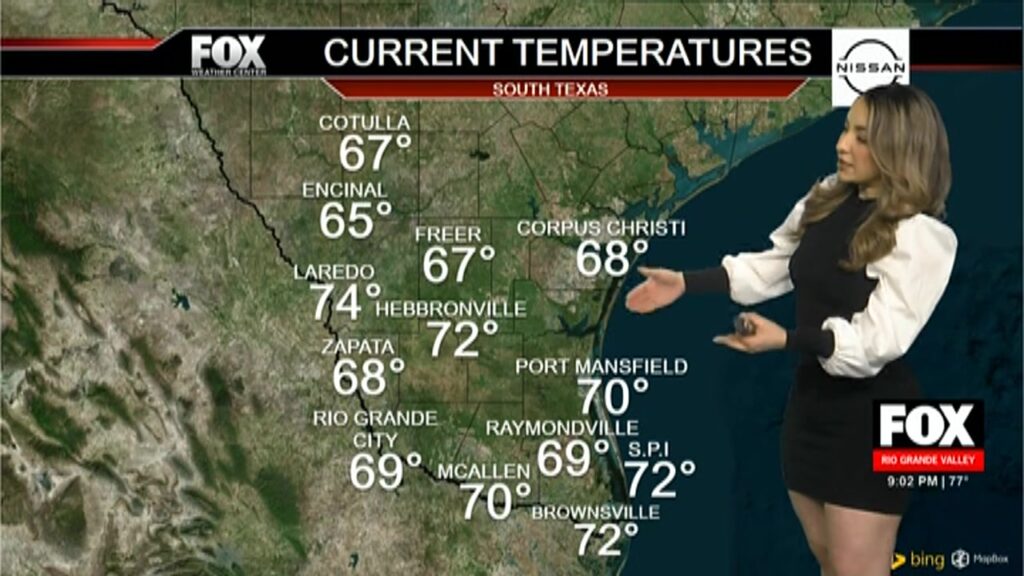
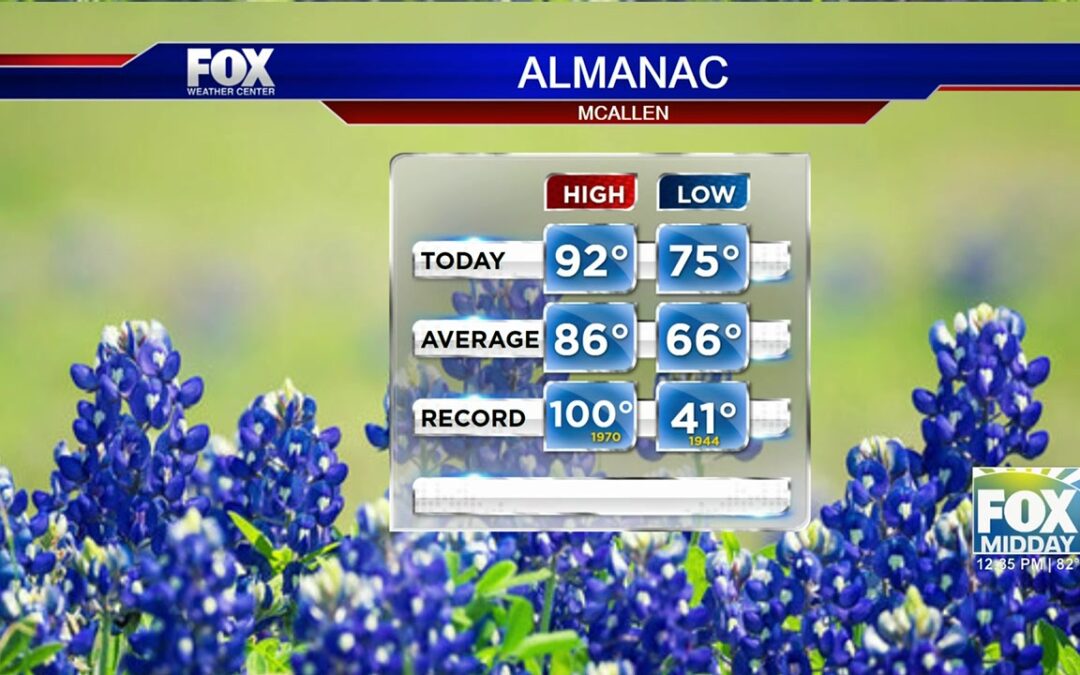
The Rio Grande Valley, consisting of several Texan cities such as McAllen, Edinburg, Pharr, and Brownsville, is preparing for an unseasonably hot spell as weather forecasts predict temperatures significantly above average for this time of year. This vast border region of South Texas, known for its rich cultural heritage and agriculture, lies in a sub-tropical zone, which typically exhibits high temperatures in the summers. However, this approaching heat wave is drawing attention from both meteorologists and residents alike, with predictions of temperatures reaching up to 94 degrees Fahrenheit, prompting a minor heat risk advisory.
As the residents of South Texas gear up to face these elevated temperatures, meteorologists are advising caution and preparedness. Heat waves can have a significant impact on local communities, especially impacting vulnerable populations such as the elderly, young children, and those with pre-existing health conditions. Therefore, understanding the origins and prevention measures associated with such heat waves is essential in mitigating their adverse impacts.
Understanding the Heat Wave
Though not unprecedented, this heat wave underscores the broader implications of climatic changes that communities around the globe are facing. Rising temperatures in the Rio Grande Valley during what typically should be a cooler period shine a light on the consequences of broader environmental shifts. Several factors, including increased urbanization, deforestation, and global carbon emissions, contribute to an upward trend in atmospheric temperatures. In regions like the Rio Grande Valley, these patterns do not just cause discomfort but also represent potential public health crises.
Historical weather data indicates fluctuations in seasonal weather patterns, but the frequency and intensity of such heat waves have become a cause for concern. Experts suggest that understanding and addressing both global and local environmental issues can aid in alleviating some of these temperature extremes in the long term.
Safety Measures and Precautions
In light of the heat advisory, local health agencies and experts are urging residents to prioritize their safety by implementing several precautionary measures. Staying hydrated is paramount; thus, individuals should drink plenty of water and avoid beverages high in caffeine and sugar, which can lead to dehydration. It is also advisable for residents to seek shelters that provide ample shade or are air-conditioned, especially from mid-morning through the late afternoon when temperatures peak.
Moreover, wearing light-colored and lightweight clothing can help mitigate the effects of the heat. Public health officials also recommend that activities involving physical exertion should be limited during peak hours of heat—typically between 10 a.m. and 4 p.m. Those who have to work outside are advised to take frequent breaks in cool areas and monitor themselves for symptoms of heat-related illnesses.
Communities with a focus on collaborative resilience have started implementing programs that check on elderly neighbors and establish cooling centers throughout the region where those without adequate shelter can find refuge from extreme temperatures.
Forecasting a Cool-Down
Fortunately, while temperatures are predicted to remain high for the next few days, meteorologists are optimistic about an incoming cold front projected to travel through South Texas over the weekend. This shift in the weather pattern is expected to drastically lower temperatures, potentially by over 20 degrees, providing this region with much-needed relief.
As the cold front approaches, it offers hope of restoring seasonal norms as early as Sunday. This meteorological respite will not only provide physical relief but also offer an opportunity for residents to recover from the sweltering conditions that precede it. Understanding how these changes occur can help in better preparing for future weather anomalies, potentially reducing their human and economic impact.
Additional Resources
For ongoing weather updates and safety tips, the general public is encouraged to make use of available resources like the National Weather Service which provides real-time data and forecasts. Visit the official website at https://www.weather.gov/ for more information on the latest weather developments and how to stay safe in extreme conditions.