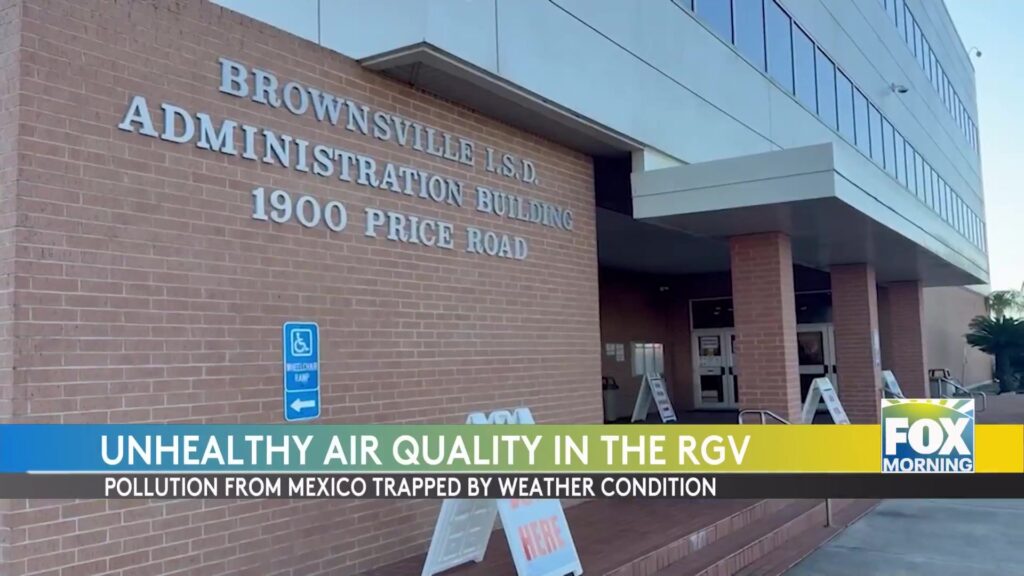
Residents of the Rio Grande Valley experienced an unsettling phenomenon as a thick haze descended over the region. The haze, originating from pollution carried by strong winds from Mexico, pushed the air quality levels into the range deemed unhealthy for sensitive groups. This atmospheric event has raised concerns among health and environmental authorities and prompted urgent responses from schools and healthcare providers.
Local meteorologists from the National Weather Service explained that robust winds carried pollutants across the border, where they became trapped under a weather phenomenon known as an atmospheric inversion. This inversion prevented the pollutants from dispersing, allowing them to concentrate and degrade the air quality significantly. The phenomenon poses not only an environmental concern but also a serious public health threat, particularly to children, the elderly, and individuals with respiratory conditions.
Impact on Schools and Community Response
The potential health risks led to immediate responses from educational institutions in the valley. Dr. Jesus Chavez, the superintendent of the Brownsville School District, stated that while no serious health issues had been reported among students, precautionary measures are in place to keep them safe. If the air quality worsens, schools are prepared to keep students indoors and suspend all outdoor activities to minimize exposure to the harmful pollutants.
In addition to immediate action by schools, local health authorities have been vocal about the steps the public should take to protect themselves. Dr. Yvonne Melendez from Hidalgo Health Authority advised residents to limit outdoor activities, especially for those in sensitive health groups. "Keeping windows and doors closed and using air purifiers can help maintain a safer indoor environment," she noted.
Expert Advice and Health Recommendations
In response to the pollution event, health experts stress the importance of community awareness and preparedness. The Valley's doctor community, alongside environmental experts, is providing guidance on recognizing and preventing health issues related to poor air quality. Symptoms such as coughing, throat irritation, and difficulty breathing should not be ignored, and individuals experiencing these symptoms are encouraged to seek medical attention.
Furthermore, the community has been advised to be vigilant in monitoring air quality reports and to follow recommended precautions when air quality levels are reported as unhealthy. Healthcare facilities across the region are also on alert, equipped to handle any surge in patients experiencing respiratory distress due to the pollution.
Monitoring and Future Outlook
The National Weather Service indicates a potential improvement in air quality as weather patterns change. The expected shift should help to disperse the pollutants, offering relief from the hazardous conditions. However, environmental officials caution that similar conditions may arise in the future, emphasizing the importance of robust monitoring systems and preparedness plans.
The challenge of addressing cross-border pollution reflects a complex interplay between environmental issues and regional health policy. Cooperation between US and Mexican environmental agencies is critical to develop long-term solutions to prevent such occurrences in the future.
Additional Resources
For ongoing updates and information, residents can visit the U.S. Environmental Protection Agency website. The site offers resources and tools for tracking air quality levels in real-time and provides guidance on protective measures during periods of pollution.