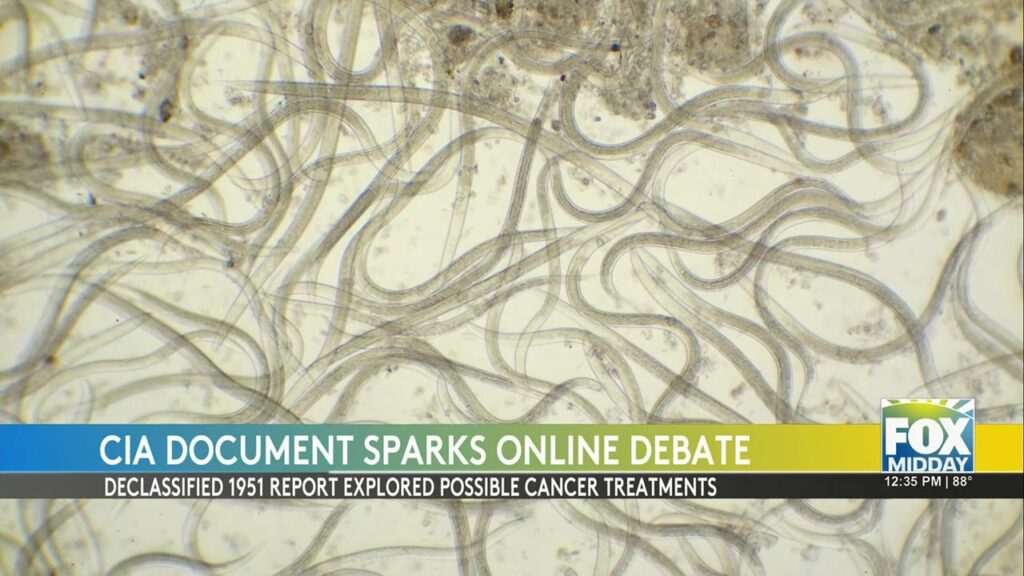
The world of medical research has long operated at the intersection of hope and scientific exploration, with breakthroughs occasionally shrouded in mystery and intrigue. A prime example of this came to light with the resurfacing of a declassified CIA document, originally drafted in 1951, that has reignited powerful debate on social media. The intriguing content within the dossier sheds light on Soviet-era cancer research, particularly focusing on a potential treatment referred to as M.E.B. Mendoza. This revelation serves not only as a reminder of the enduring quest for cancer cures but also as a case study in how historical scientific inquiries are interpreted and recast in the digital age.
The document in question, a product of the rapprochement between intelligence-gathering and scientific analysis, has sparked intense discussions among internet users. While the document does not explicitly suggest the suppression of a cancer cure, many online debates have veered in this direction, highlighting the potency of historical documents in contemporary discourse. In this context, it's essential to consider what the document reveals and what it doesn’t.
Details from the Document
The 1951 CIA file delves into intriguing parallels identified between the behavior of cancerous tumors and parasitic organisms, a hypothesis that was largely speculative during its period. The Soviet research posited that biochemical compounds known to affect parasites could potentially have similar effects on cancer cells. This angle was captivating primarily because it introduced an unconventional route for cancer treatment, which was still in nascent stages at that time.
Crucially, while the document outlined theoretical suggestions based on these observations, it fell short of endorsing any definitive conclusions or therapeutic prescriptions. The mention of the M.E.B. Mendoza compound is noteworthy but remains within the realm of hypotheses rather than evidence-supported claims.
Clarification from Experts
In response to the surge of interest and speculation, medical experts and analysts have stepped forward to provide clarity and contextualization. They assert that while the ideas contained within the document were certainly pioneering for the time, they should be viewed as an archival snapshot of early, exploratory research rather than evidence of a conspiracy or suppressed cure.
Modern experts emphasize that scientific research is a continuous, evolving process where theories are tested, refined, or refuted based on robust evidence. The CIA document is a reflective piece of the vast scientific puzzle, but it does not substantiate the more fantastical claims that have emerged online regarding the suppression of successful cancer treatments.
Current Cancer Research
Today, cancer research is a multifaceted field, incorporating a range of scientific disciplines and technologies from genomics to immunotherapy. While significant strides have been made, such as the development of targeted therapies and personalized medicine approaches, the hope for a singular cure remains elusive. These transitions in the oncology landscape highlight the complexity of cancer as a disease and the comprehensive nature of ongoing research efforts.
In this dynamic environment, it's worth noting that historical documents like the CIA file serve an important role in stimulating conversation and reflection, prompting current researchers to draw lessons from past inquiries and to fuel eagerness for future discoveries.
Additional Resources
For comprehensive information about ongoing cancer research and potential treatments, visit the National Cancer Institute. This resource provides detailed insights into the latest developments in cancer research and supports individuals seeking authoritative information in this critical area of health.