Table of Contents
Government Shutdown: A Temporary Resolution
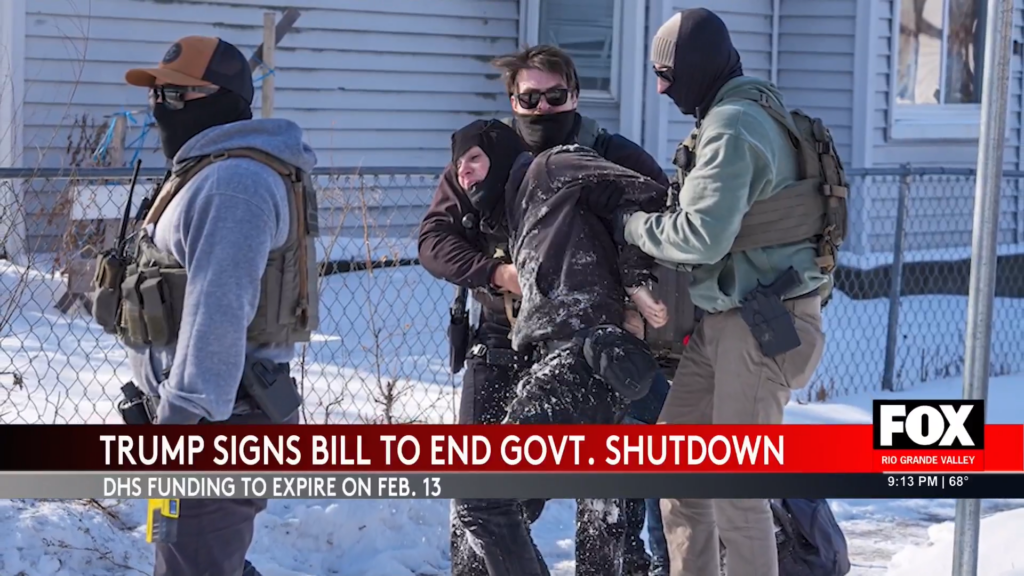
The recent government shutdown has captured the nation's attention, with a resolution finally reached as President Trump signed a funding bill into law. This crucial move has temporarily reopened the government, a development that many have been eagerly awaiting. The government shutdown, initiated on Saturday, has been a topic of significant concern across the United States.
The new legislation will ensure government operations continue through the end of September, providing much-needed stability in these uncertain times. However, there is a critical caveat: the Department of Homeland Security (DHS) funding is set to end much sooner, on February 13th. This deadline places pressure on Congress to negotiate a new agreement that includes potential reforms to the Immigration and Customs Enforcement (ICE) and Customs and Border Protection (CBP).
Government Shutdown: The Impact on DHS and ICE Reform
With the DHS funding deadline fast approaching, the focus now shifts to Congress's ability to reach a consensus on ICE and CBP reforms. The ongoing discussions are pivotal, as they will determine the future operations of these essential agencies. The potential reforms could lead to significant changes in how immigration enforcement is handled, impacting countless individuals and families.
The Trump administration's stance on immigration has been a contentious issue, and the upcoming negotiations will likely reflect these broader debates. The outcome will not only affect DHS operations but also set a precedent for future immigration policies.
Temporary Protected Status for Haitians
In addition to the DHS funding concerns, the status of Temporary Protected Status (TPS) for Haitians is also under scrutiny. A federal judge in Washington, D.C., Ana Reyes, has temporarily maintained TPS for Haitians, blocking the Trump administration's efforts to alter the designation. The administration argues that conditions in Haiti have improved, warranting a re-evaluation of TPS.
Judge Reyes's decision is pivotal, as it accuses Homeland Security Secretary Kristi Noem of not ensuring that Haiti is safe enough for nationals to return. This legal challenge adds another layer of complexity to an already intricate immigration landscape. The DHS has described TPS as a de facto asylum program, highlighting the challenges of balancing humanitarian obligations with immigration enforcement.
Additional Resources
For more information on the Department of Homeland Security and its operations, please visit the official DHS website: dhs.gov.