Prostate cancer remains a significant health challenge, affecting millions of men in the United States. According to the American Cancer Society, about one in eight men will be diagnosed with prostate cancer in their lifetime. Early detection of the disease is critical to improving treatment outcomes and survival rates. This urgency has led to notable advancements in diagnostic technologies, particularly in the realm of artificial intelligence (AI).
New AI innovations are transforming the way prostate cancer is detected, offering the promise of quicker and more accurate diagnostics. As healthcare providers strive to identify prostate cancer earlier, AI's ability to enhance imaging technology and predict patient outcomes is changing the landscape of cancer treatment. This aligns with national trends emphasizing precision medicine and personalized patient care.
Advancements in Prostate Cancer Detection
The landscape of prostate cancer diagnosis is being transformed by new artificial intelligence (AI) tools that promise to make detection processes faster and more accurate. In a disease affecting 1 in 8 men, early and accurate diagnosis can be life-saving. The introduction of AI tools in this field holds the potential to significantly improve diagnostic precision and efficiency. This means patients can not only receive a quicker diagnosis but also potentially avoid unnecessary procedures, such as biopsies, which are often invasive and uncomfortable.
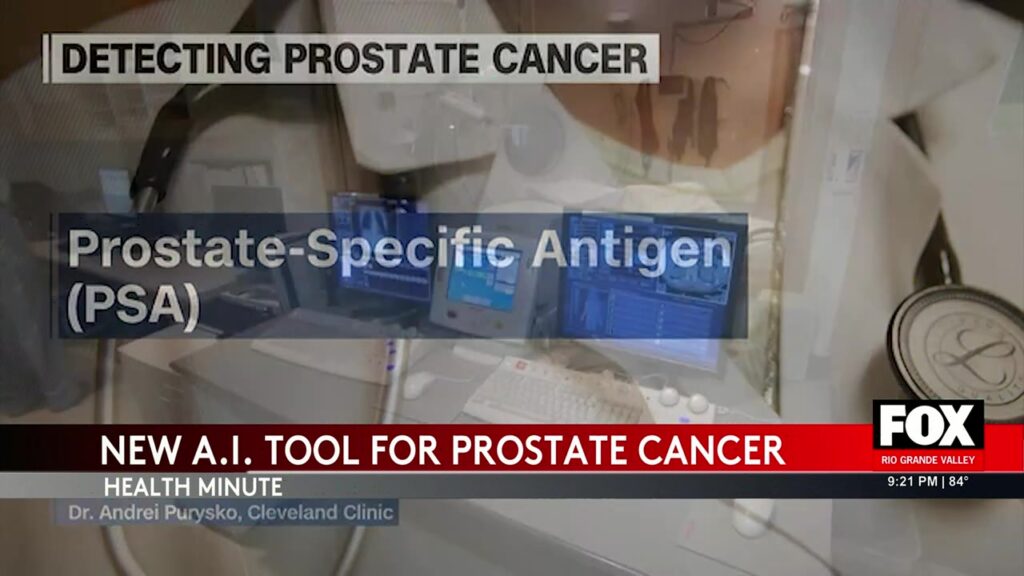
Traditional methods of prostate cancer detection often begin with assessing a patient's prostate-specific antigen (PSA) levels. Elevated PSA levels can indicate the potential presence of cancer, prompting further investigation through magnetic resonance imaging (MRI) scans. Dr. Andre Perrisco highlights that AI integration at institutions such as the Cleveland Clinic has enhanced these imaging technologies, enabling more accurate identification of cancerous areas, making it possible for doctors to make more informed decisions regarding patient care.
Technology in Action
Dr. Andre Perrisco explains that these AI enhancements allow for quicker MRI scans and result in clearer images. This facilitates more definite diagnoses and could potentially spare patients the discomfort and risks associated with unnecessary biopsies. By incorporating AI into these processes, imaging time is reduced, and image clarity is significantly enhanced. This allows for more precise targeting of suspicious areas within the prostate, leading to better-informed decisions about patient treatment options.
The AI tools function by using complex algorithms that have been trained on vast datasets of prostate imaging. These algorithms assist radiologists in identifying patterns that might be missed in traditional imaging, highlighting areas most likely to be cancerous. These functionalities are a part of a broader movement towards precision medicine, where treatment and care are increasingly tailored to individual patients based on specific characteristics and needs.
Efficiency and Comfort
The algorithms in development not only quicken the imaging process but also ensure that patients remain comfortable during scanning, reducing motion artifacts that can obscure diagnostic data. This is crucial because image quality can be compromised by patient movement or discomfort during longer procedures. This improvement in the imaging process allows for better data collection, leading to more reliable diagnostic outcomes.
Beyond just improving diagnostic accuracy, these innovations emphasize patient comfort and the overall healthcare experience. Reducing the need for invasive procedures while maintaining high accuracy is a significant win for both patients and healthcare providers, reducing stress and potential complications associated with traditional diagnostic methods.
Additional Resources
For more information on prostate cancer and its diagnosis, explore resources from the National Cancer Institute at cancer.gov/types/prostate. Here you can find more detailed information on the various stages of prostate cancer, current treatment options, ongoing research, and how AI is being utilized in other areas of cancer treatment.