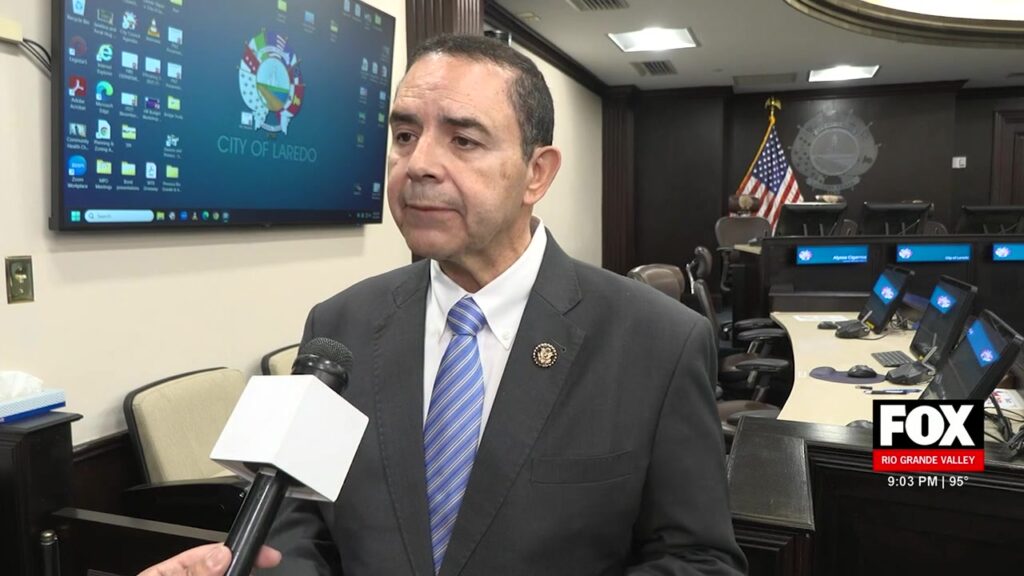
The recently proposed Tariff Rebate Plan, spearheaded by Congressman Henry Cuellar, aims to alleviate financial pressures on residents of South Texas by returning funds paid through tariffs now declared unconstitutional by the Supreme Court. With this initiative, local individuals could see over $1,000 back in their pockets, helping to offset the increased cost of living attributed to these tariffs. This development comes at a crucial time when many households are navigating economic uncertainties.
Over recent years, South Texas residents have faced rising expenses partly due to additional costs on goods imposed by certain tariffs. Congressman Cuellar's proposal seeks to undo some of this financial strain by providing rebates, thereby offering a reprieve, particularly for lower-income families who are heavily impacted by inflation.
Rebates in the Works
Congressman Henry Cuellar has introduced a proposal designed to offer financial relief to residents of South Texas. The initiative seeks to rebate funds paid through tariffs that the Supreme Court recently ruled as unconstitutional. This could translate into over $1,000 back into the pockets of affected individuals.
The structure of the rebate proposal targets those most affected by these tariffs. By looking to redistribute funds originally used for expanded tariffs on critical goods, the plan hopes to provide immediate financial benefits to South Texas residents. The rebates could assist in balancing the financial disparity that has occurred due to the previous tariff imposition.
Alleviating Financial Burdens
The initiative specifically targets tariffs that have inflated everyday costs, including essential goods like food and clothing. Given the economic tribulations faced by many, Cuellar emphasizes the necessity for a rebate to mitigate these adverse impacts. "Tariffs are detrimental to our economy and consumers," Cuellar stated, pressing the need for legislative action. The plan is particularly significant as it includes provisions focusing on essential consumer goods that saw price hikes, thereby addressing a critical need for relief in everyday expenditure.
By targeting tariffs that have widely affected the prices of basic necessities, the proposal addresses a core issue contributing to regional economic hardships. As inflationary pressures continue to burden the working class and other vulnerable sectors, initiatives like the proposed rebate plan are seen as essential measures to restore balance and foster economic stability.
Legislative Process and Impact
The proposal, known as the American Consumer Tariff Relief Act of 2026, projects average citizen rebates of $1,200. With ongoing debates in Congress, the plan highlights a significant push for economic equitability. It aims to benefit particularly lower-income households feeling the pinch of inflation.
The legislation's path through Congress will be closely monitored, as its approval could set a precedent for future economic policies aimed at consumer protection and economic relief. Should it pass, it promises not only immediate fiscal benefits but also a shift in how tariff-related revenue is utilized at the federal level. Such a legislative move could enhance transparency and accountability in government fiscal policies regarding international trade tariffs.
Supporters of the rebate plan argue that this could usher in a new era of legislative reforms focused on reducing economic pressures for everyday American consumers. Conversely, some critics suggest that while the plan appears beneficial, a sustainable long-term economic strategy should also be developed to address the root causes of such financial burdens.
Additional Resources
For more insights on tariff impacts and congressional updates, visit the Congressional Record.