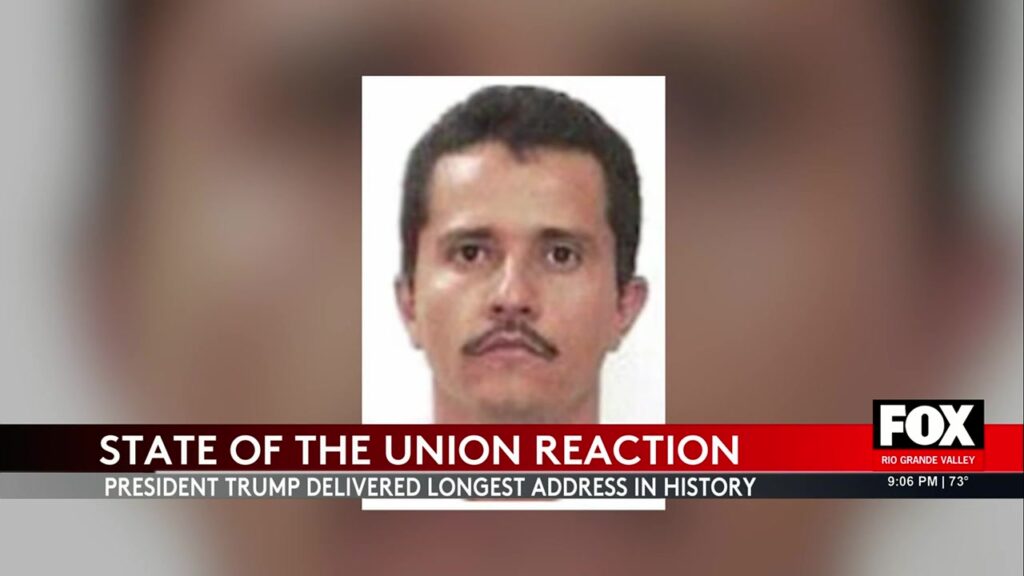
President Donald Trump's State of the Union address generated intense debate and discussion both domestically and internationally. This high-profile event aimed to outline key administration achievements while setting the agenda for future policies. However, the polarizing nature of politics today meant that not all took his declarations as positive affirmations of progress.
With the address, President Trump sought to paint a picture of American success, focusing on economic growth and international partnerships, while also delving into the persistent issues of immigration and national security. Despite the well-crafted message, differing political ideologies across the spectrum received his statements with mixed reactions.
The President's Speech
In his address, President Trump touted the creation of 70,000 new construction jobs as a hallmark of his administration's economic policies. Additionally, he claimed a reduction in gasoline prices and favorable trends in mortgage rates over the recent years, suggesting these developments indicated a robust economic recovery. However, these statements drew quick rebuttals from some corners of Congress and economic experts who voiced concerns over the broader economic picture.
Critics, including Congressmen de Sentegol Salis, pointed out discrepancies in the President’s economic narrative. They highlighted rising inflation and increasing food and home prices, as well as stagnating wage growth, to argue that the economic benefits were not reaching American workers. Salis emphasized the strain on American households facing minimum wage levels that have remained static for longer periods, labeling the situation as shameful and a moral failure that the address did not fully acknowledge.
Claims and Challenges
Trump's address was met with scrutiny, especially surrounding the optimistic economic data presented. Analysts and critics examined the specifics of employment growth and reported discrepancies in reported reductions in living costs. The contrast between claimed successes and everyday lived experiences of many Americans added fuel to the fiery debate on economic strategies and social justice.
Furthermore, Trump’s opponents questioned the sustainability of job creation when juxtaposed with concurrent issues such as outsourcing and trade imbalances. While the President championed these achievements as signs of flourishing industries and policies, skeptics deemed them insufficient without addressing underlying systemic issues.
International Perspectives
Internationally, Trump’s mention of cartel busting operations, specifically the death of notorious drug kingpin El Mencho, stirred considerable discourse. Calling attention to the eradication of drug cartels that have plagued Mexico and the surrounding regions, President Trump emphasized U.S. commitment to combating crime that spills over borders.
Yet, the interaction was not without its diplomatic ramifications. Mexican President Claudia Sheenbaum acknowledged the role U.S. intelligence played in operations but insisted that Mexican forces carried out the mission's execution. This sparked discussions on sovereignty and collaboration, weighing the balance between cooperative international security efforts and national autonomy. It signifies an ongoing narrative about jurisdictional complexities in cross-border collaborations.
Additional Resources
For in-depth insights on political discourse, take a look at resources from the Congressional Research Service: https://crsreports.congress.gov/