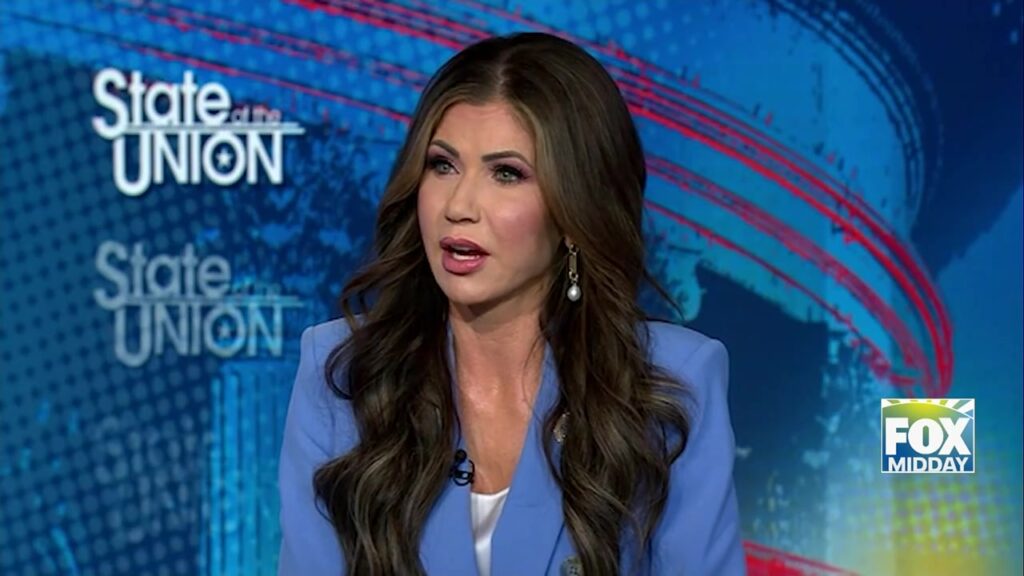
In a surprising political shake-up, President Donald Trump has dismissed Homeland Security chief Kristinoum. This unexpected move has sent ripples across the political landscape, highlighting ongoing controversies surrounding the Department of Homeland Security (DHS). These issues include ad campaign scandals and intense political scrutiny from congressional hearings, which have increasingly put pressure on the Trump administration to take decisive action.
The abrupt decision arrives as the administration grapples with the fallout of internal disagreements and operational missteps, sparking both criticism and speculation regarding who will fill the position. The DHS plays a pivotal role in maintaining national security, and the leadership vacuum has intensified the urgency for a suitable replacement, amidst a backdrop of political tension and public scrutiny.
Possible Replacements
Reports suggest that President Trump is considering appointing new leaders, including Senator Markwayne Mullin and Stephen Daines, to step into the crucial DHS role. The decision is anticipated to meet with both support and opposition, as Washington continues to navigate this tumultuous transition period. Both Senator Mullin and Senator Daines bring their unique experiences to the table, and their potential appointments are provoking a robust discussion about the future direction of homeland security policies under Trump’s administration.
Senator Markwayne Mullin is known for his strong stance on border security, which resonates with the current administration’s priority to strengthen the U.S. borders. Stephen Daines, on the other hand, has a background in business and technology, which could steer the DHS towards innovative solutions to address security concerns. The considerations and eventual selection of a new department head would thus reflect the administration’s broader national security strategy.
Political Repercussions
This move is expected to have far-reaching implications amid the current administration's focus on national security. Analysts are closely monitoring how the selection of a new department head may influence policy decisions and the department's direction moving forward. The ousting of Kristinoum is not just a singular event but a reflection of ongoing issues within the DHS that have been simmering under the surface.
The DHS has long been a cornerstone of the U.S. government’s efforts to protect the nation from threats, ranging from terrorism to natural disasters. The leadership change could result in shifts in priorities, especially concerning immigration policies that have been at the forefront of political debates. Additionally, the incoming leadership will have to address internal problems within the department, ensuring its effective operation amidst growing challenges.
What's Next?
The political landscape remains dynamic, with keen interest in observing how the administration will address the leadership gap. It's a critical moment for the Department of Homeland Security as stakeholders await further announcements regarding its future leadership and policy focus. The appointment of a new head will inevitably shape the strategic outlook and operational efficiency of the DHS, as it continues to fulfill its mandate in safeguarding the nation.
Both domestic and international observers are watching closely to understand how this change will affect not only the DHS but also the broader national security framework. The department’s new leadership will be tasked with addressing pressing issues while ensuring that policies align with both national interests and international commitments. Furthermore, the political ramifications of this decision will likely be felt in upcoming electoral discussions, as parties and candidates debate the effectiveness of the current administration's handling of national security affairs.
Additional Resources
For ongoing updates on U.S. political changes and legislative developments, visit the U.S. Congress website.