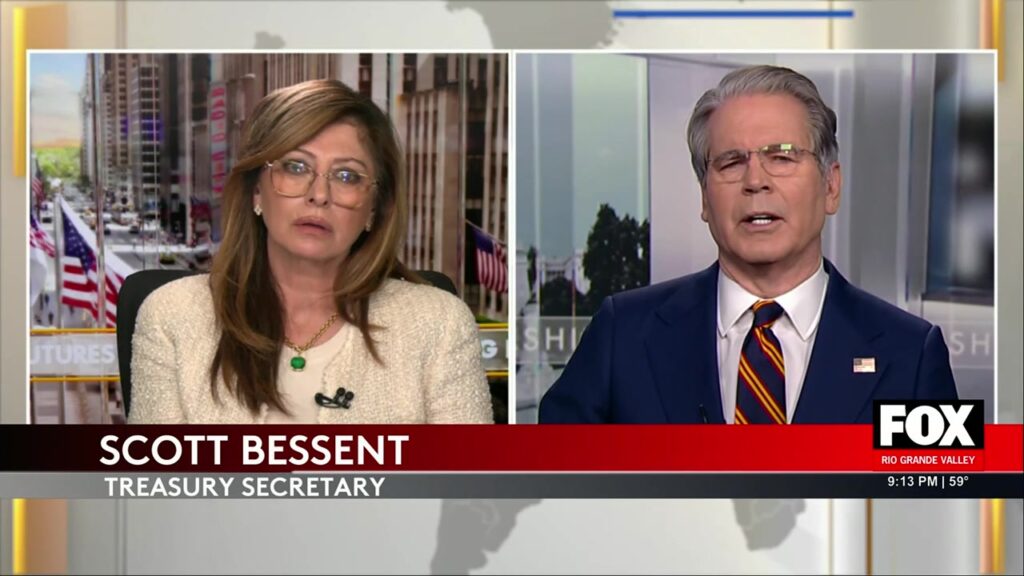
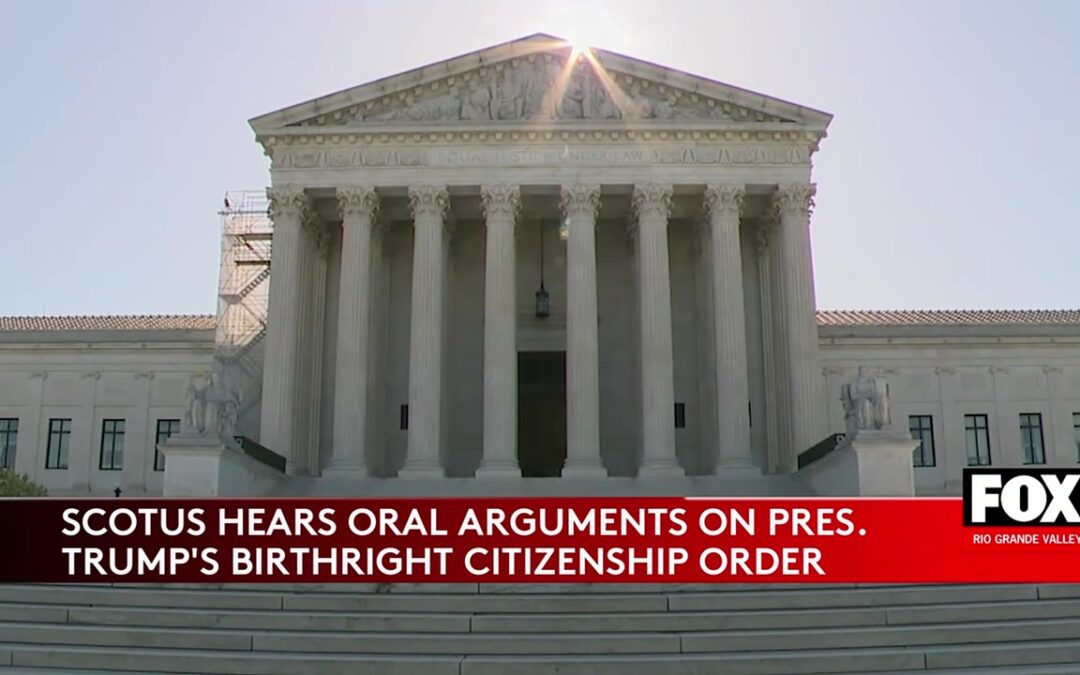
In a significant policy shift, President Trump has decided to increase global tariffs to 15%. This development follows a Supreme Court ruling deeming previous emergency tariffs illegal, prompting a rapid response from the administration. With global markets already on edge, stakeholders are closely analyzing the potential ripple effects on both international trade and the domestic economy.
As tariffs become a central tool in U.S. foreign policy and economic strategy, the decision underscores a continued shift towards protectionism. This approach aims to counterbalance trade deficits and encourage domestic production, though it remains controversial both at home and abroad.
Tariff Adjustments
The Trump administration has outlined new tariff measures to replace those invalidated by the Supreme Court. With a blanket increase to 15% on global imports, the policy keeps specific deals like the United States-Mexico-Canada Agreement (USMCA) intact, highlighting the president's focus on renegotiated trade terms. These new tariffs aim to generate federal revenue and safeguard American industries against foreign competition.
This shift is viewed as part of a broader strategy to maintain leverage in international trade negotiations while providing a stable economic environment for domestic manufacturers. Such an approach has been praised by some sectors but also raises concerns over potential repercussions.
Business Reactions
The National Retail Federation has acknowledged the Supreme Court decision, emphasizing the assurance it grants to U.S. manufacturers and businesses that rely on predictable trade laws. However, within the retail landscape, uncertainty looms. Large retailers, particularly those heavily reliant on imported goods, face challenging decisions regarding pricing strategies and stock management.
In anticipation of tariff-associated cost increases, some retailers had previously stockpiled inventory. Now, with the changes officially in place, companies like Walmart and Target are assessing how to navigate the potential impact on consumer pricing and sales volume. The process of realigning strategies to accommodate these new realities is seen as crucial in maintaining market stability.
Economic Implications
Proponents of the tariff hikes argue that they will benefit domestic manufacturing by making foreign products less competitive in the U.S. market, thereby encouraging local production. Additionally, with a sharper focus on correcting trade imbalances, the policy is posited as a tool to shrink the U.S. trade deficit.
Conversely, critics of the move caution against its short-term impacts, notably potential increases in consumer prices and disruptions to global supply chains. Economic analysts are particularly attentive to the adjustments businesses must make during the transitional phase, highlighting the importance of adaptation in an evolving market landscape.
Nevertheless, the Trump administration is confident that, over time, these tariff measures will foster a more resilient domestic economy capable of standing robustly against international fluctuations.
Additional Resources
To learn more about U.S. trade policies and economic forecasts, you can explore resources available at the U.S. Department of Commerce: commerce.gov.