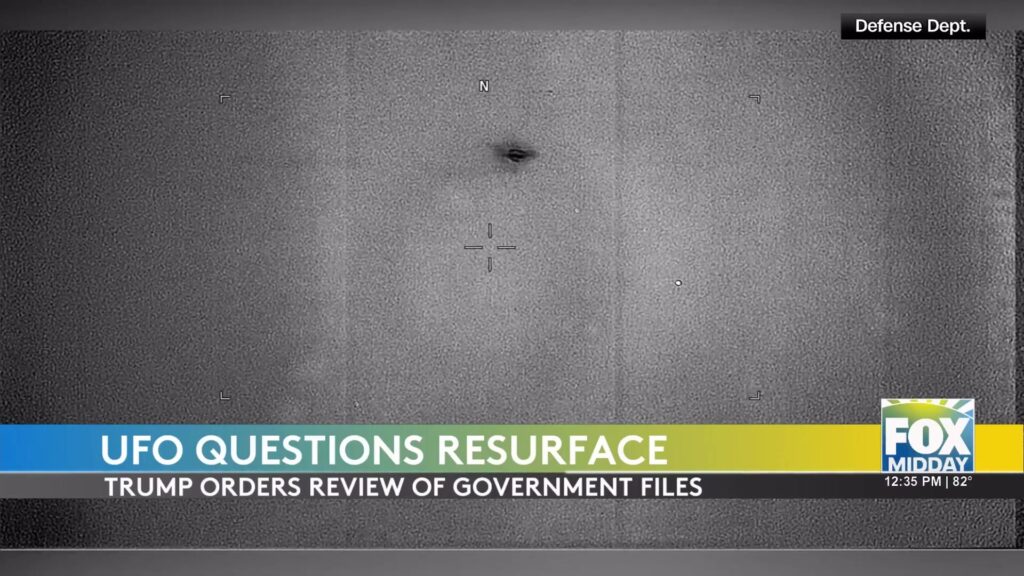
In a surprising announcement that captivated both the public and the media, former President Donald Trump declared his intention to instruct the Pentagon to disclose various government files pertaining to extraterrestrial life, unidentified aerial phenomena (UAPs), and unidentified flying objects (UFOs). This move came shortly after former President Barack Obama stirred excitement and interest by discussing the potential existence of alien life during a podcast interview, a remark that prompted Trump to allege Obama of divulging classified information.
The subject of UFOs has long fascinated the public, leaving many intrigued yet skeptical about what lies beyond our terrestrial existence. Trump's announcement, therefore, finds its place amid sustained demands for greater transparency regarding governmental knowledge on UFO sightings and extraterrestrial life.
Obama, however, clarified his comments, stating he was speaking hypothetically about the likelihood of life elsewhere in the universe rather than providing confirmations of alien visits to Earth or sightings of their spacecraft. This set the stage for Trump's directive, further intensifying the ongoing dialogue about what governments worldwide might be holding in their files concerning otherworldly phenomena.
Public Reaction and Context
The topic of UFOs, though often relegated to science fiction circles, continues to garner significant public interest. Barack Obama's remarks underscored the growing acknowledgment among notable figures that the universe is vast, and intelligent life elsewhere is a prospect that cannot be dismissed. His comments ignited a wave of discussion and anticipation, which Trump's directive seeks to answer through a formalized review and potential release of information.
Public intrigue has been fueled by years of anecdotal reports, leaked footage, and declassified documents that leave witnesses and UFO enthusiasts in a constant quest for the truth. The call for disclosure has reached new heights with Trump’s proposal, encouraging a wider debate about what governments know and how such information might reshape our understanding of our place in the cosmos.
Uncertainty Surrounding the Announcement
The 2024 report from the Pentagon reiterated there is no concrete evidence of alien existence, emphasizing the cautious stance public officials take in the dissemination of such sensitive information. The Pentagon is tasked with safeguarding national security interests, leading to an inherent tension between transparency and secrecy.
Despite Trump’s bold aspirations, the timeline and scope for releasing these documents remain uncertain. The logistical challenges of reviewing potentially vast archives, along with the political implications of such a release, have left enthusiasts waiting in anticipation and skeptics questioning the feasibility of such a disclosure. The mystery surrounding these files adds to the allure and spurs conspiracy theories that continue to captivate the public imagination.
As anticipation builds, the directive received mixed reactions—ranging from hopefulness among those who anticipate groundbreaking revelations to skepticism from critics wary of political motivations underlying the announcement. The widespread interest across various platforms suggests a global audience eager to engage with the information, should the Pentagon make it public.
The Broader Implications of Disclosure
A formal release of UFO-related documents could have far-reaching implications beyond simply satisfying curiosity. It could also impact scientific research, government transparency, and potentially international relations. By releasing previously classified information, the United States would be setting a precedent for how countries address and share knowledge about phenomena that defy current understanding.
Notably, other countries have taken strides to disclose similar data, with mixed results ranging from increased public discourse to reaffirmations of national security protocols. Transparency advocates argue that disclosing this information could lead to advances in technology and foster a more informed public, while defense experts caution against revealing sensitive data that might compromise military tactics or national security.
Regardless of the ultimate disclosure decision, the announcement has already succeeded in bringing the conversation out from the fringes into the mainstream, engaging a diverse array of opinions and interests.
Additional Resources
For the latest developments on UFO-related governmental disclosures and official actions, visit the Defense Department's official website at defense.gov.