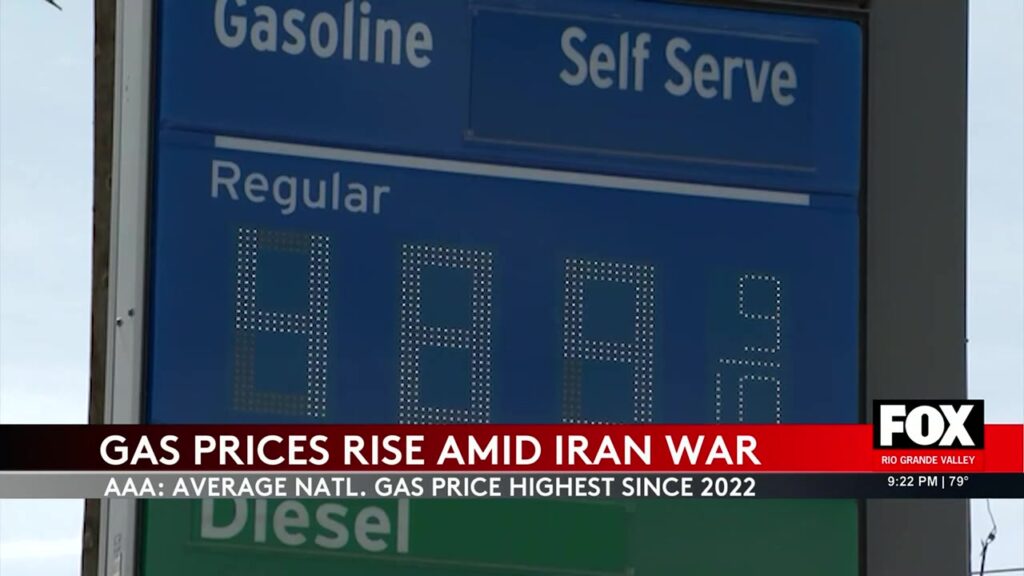
In recent weeks, geopolitical tensions have significantly influenced global oil markets, sending ripples throughout the world's economies. The volatility stems primarily from escalating hostilities in the Middle East, particularly involving Iran and Israel. This situation has been further exacerbated by President Trump's assertive stance on Iran's energy infrastructure. With these factors intertwined, the effect on the global economy, and particularly on U.S. gasoline prices, has been noticeable.
The price of crude oil is intricately tied to geopolitical stability, and any disruption or perceived threat can lead to immediate price hikes. For American consumers, this means not only a strain at the pump but also broader economic ramifications as they face inflated transportation costs and the potential for cascading effects on consumer goods and services.
Geopolitical Tensions Drive Oil Prices Up
With mounting tensions between Iran and Israel, and bold assertions from President Trump to "take the oil," there's been a noticeable spike in global oil prices. This geopolitical instability has revamped fears of extended conflict, consequently affecting the macroeconomic landscape, particularly reflected in soaring U.S. gas prices.
President Trump's comments followed Iran-backed attacks on Israel, which have escalated fears of a larger regional conflict. The mention of strategic oil capabilities has further rattled markets, compelling traders to factor in potential supply disruptions.
Economic Impact and Public Concerns
The intricate developments in the Middle East, characterized by delicate diplomacy and combative postures, have led to oil prices hitting their highest thresholds since 2022. As these international tensions play out, both consumers and financial markets brace for the ripple effects on the economy, affecting everything from household expenses to broader inflationary patterns.
Federal Reserve Chairman Jerome Powell noted that while the conflict's ultimate impact on the U.S. economy remains uncertain, its potential to drive inflation upwards is a concern. Inflation affects not only the cost of fuel but can also seep into nearly every aspect of the economy, raising consumer prices and affecting purchasing power.
Behavioral Shifts and Economic Readiness
Americans are already adapting their routines in anticipation of growing fuel costs, with anecdotal reports of purchasing gasoline earlier to mitigate future price surges. Economic analysts, acknowledging the complex global oil market effects, advise vigilance and prudent consumption as potential cushions against abrupt economic shocks. Such behavioral adjustments may help curb personal expenses, but they reflect broader concerns about energy reliance and financial resilience.
Experts suggest that consumers and businesses alike should prepare for a period of economic volatility. Adjusting travel habits, considering energy-efficient options, and staying informed about local gas prices are recommended strategies for mitigating the impacts of increased fuel costs.
Global Efforts and Strategic Responses
The international community, including policymakers and energy strategists, is closely monitoring the situation. Diplomatic channels remain open, with efforts to de-escalate tensions and ensure stability in oil production and distribution. The U.S. government, along with international partners, is exploring alternative supply strategies and energy security measures to buffer against future disruptions.
The Energy Information Administration and other government bodies continue to analyze supply and demand dynamics to forecast potential impacts and guide policy decisions. Strategic petroleum reserves and diplomatic negotiations are vital components of these efforts, aiming to ensure a balanced response to the fluctuating geopolitical landscape.
Additional Resources
For comprehensive information and analysis on global markets and the impact of oil prices, the U.S. Energy Information Administration offers a wealth of resources: EIA.