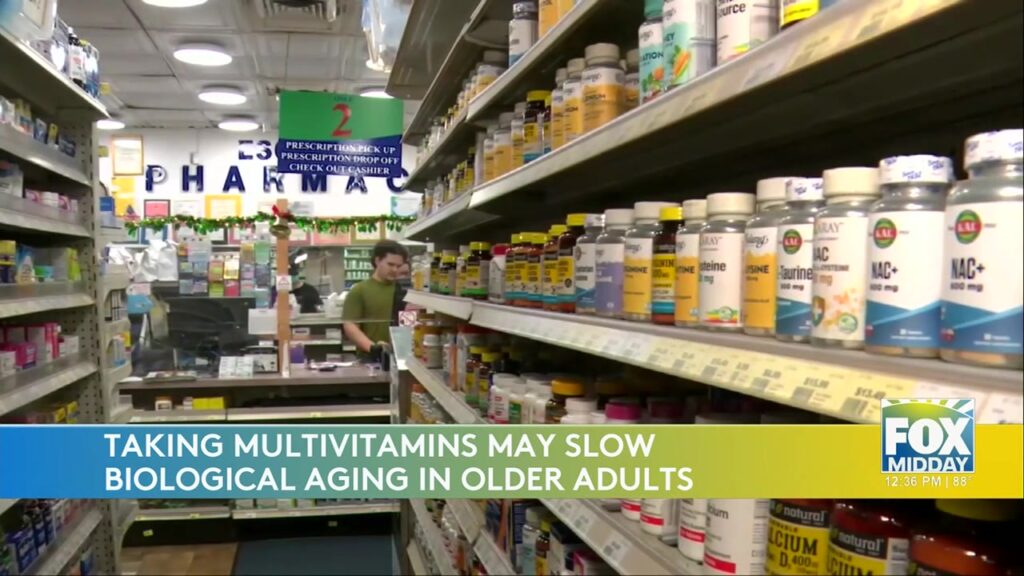
In an era where scientific advances and increasing life expectancies are redefining long-held approaches to aging, a recently published study draws attention to the potential of multivitamins as an accessible intervention against aging. This intriguing research, detailed in the journal Nature Medicine, posits that the regular intake of multivitamins may contribute to a deceleration of biological aging processes in older adults—a finding that could influence both dietary habits and wellness strategies globally.
The study stands out not only for its intriguing outcomes but also for its potential implications on geriatric health and aging research. With no definitive cure for aging, efforts often focus on lifestyle alterations and dietary supplements that might delay its effects. Through this lens, multivitamins might offer a straightforward tactic, perhaps granting more cellular resilience against age-related wear and tear.
Study Findings
The research was conducted over a two-year period, with participants consistently taking multivitamins. At the study's conclusion, it was noted that participants experienced the biological effects equivalent to only 20 months of aging, in contrast to the actual 24 months that had elapsed. Essentially, this suggests a reduction in biological aging by approximately four years, a noteworthy accomplishment in the context of aging studies.
Especially important was the observation among individuals who displayed indications of accelerated aging. These participants showed marked improvements, indicating that multivitamins might serve a dual role: slowing the progression of biological aging and potentially reversing some of the signs of premature aging. While multivitamins are widely acknowledged for supplementing nutritional gaps, these findings suggest a more profound impact on cellular longevity.
Implications for Aging Research
The study injects new enthusiasm into the field of gerontology, an area keenly interested in the effects and potentials of dietary supplements. For decades, researchers have delved into various substances and their roles in promoting longer, healthier lives. The idea that something as commonplace as multivitamins could impact aging at a cellular level is both a call to action and a beacon of hope. It encourages both scientific and public health communities to reconsider the roles that everyday supplements can play in promoting longevity.
The notion of slowing or partially reversing biological aging challenges existing paradigms and compels further exploration into the potential broader benefits of multivitamin consumption. This research might shape future discussions on integrating such supplements into routine dietary recommendations, especially for aging populations.
Future Research Directions
Despite its promising results, the study's authors emphasize the need for further research to thoroughly understand the potential and limitations of multivitamins in combating biological aging. A crucial question is whether these findings can be consistently replicated across larger and more diverse populations, accounting for various lifestyle, genetic, and environmental factors.
Moreover, the study invites deeper investigations into which specific components of multivitamins might drive these changes. Is it a particular combination of vitamins and minerals, or perhaps even a singular element, that contributes to these observed effects? Answers to these questions could pave the way for even more targeted and effective interventional strategies aimed at mitigating age-related decline.
Additional Resources
For more insights into health studies and ongoing research into aging, visit the National Institutes of Health.