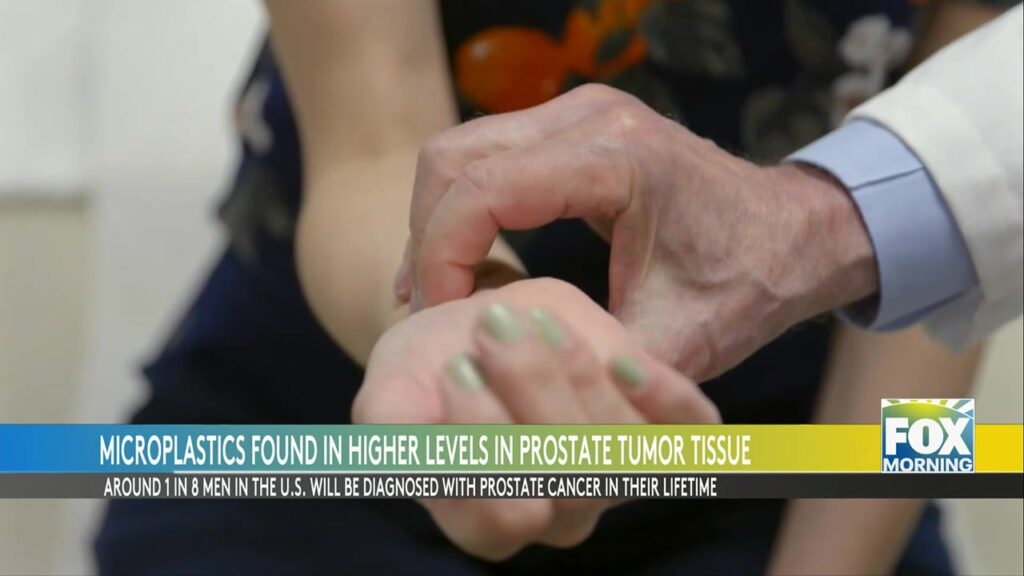
The recent findings linking microplastics to prostate cancer have raised significant concerns among both the scientific community and the public. Microplastics, which are tiny plastic particles less than five millimeters in diameter, have been identified in various environmental settings, from oceans to the air we breathe. Now, evidence suggests that they might pose a direct threat to human health, particularly in relation to prostate cancer.
The study conducted by the American Society of Clinical Oncology has unveiled alarming results pertinent to microplastics and their connection to prostate cancer. The data indicates that microplastics were present in significant quantities within the tumor tissues of individuals diagnosed with prostate cancer. These particles were found to be more concentrated in cancerous tissues than in healthy tissues nearby, suggesting a possible role in cancer development or progression.
The Findings of the Study
The study's findings have shed light on the potential health implications of microplastics. Specifically, the research identified Nylon six and polystyrene as the prevalent types of microplastics within the tumor samples of nine out of ten analyzed cases. This research builds on earlier studies, including one published by the New England Journal of Medicine in 2024, which identified a significant correlation between microplastics in cancerous tissue and increased hospital visits. According to this study, patients with such microplastics were 4.5 times more likely to require medical attention.
With the alarming statistic from the American Cancer Society that approximately one in eight men in the United States will be diagnosed with prostate cancer during their lifetime, any additional risk, such as microplastics, is a cause for concern. The high incidence rate places a spotlight on the need for urgent and continuous research into underlying risk factors contributing to prostate cancer.
Public Health Implications
The implications of these findings are profound. Prostate cancer is one of the most common cancers among men, and identifying new risk factors is critical for developing preventive strategies. The presence of microplastics in tumor tissues suggests that there might be an environmental component to cancer risk that has been underestimated. With increasing exposure to plastics in everyday life, the study underscores the importance of examining the broader impact of environmental pollutants on human health.
Addressing this potential risk factor involves not only scientific research but also public health policies aimed at reducing plastic usage and minimizing exposure. The study calls for more comprehensive investigations into how exposure to substances like microplastics could influence not only prostate cancer but also other health conditions. These findings demand a re-evaluation of existing health guidelines and consumer habits concerning plastic use.
Community and Scientific Reactions
The revelation has prompted discussions among healthcare providers, environmental scientists, and policymakers. Public health organizations have begun to advocate for reduced plastic use and increased awareness of the environmental and health impacts of microplastics. The study has amplifed discussions around the everyday exposures to these particles and how they might silently affect long-term health.
The scientific community is actively encouraging more research to validate these findings and explore potential biological mechanisms by which microplastics could contribute to cancer. Moreover, there is an urgent call for interdisciplinary collaboration to explore viable solutions for mitigating these microscopic pollutants' impact on human health.
The community response has been increasingly supportive of initiatives aimed at recycling, reducing plastic production, and finding sustainable alternatives. Educational campaigns and public awareness programs are also being considered as vital components in the strategy to address this environmental health challenge.
Additional Resources
For more information on microplastics and public health, visit the World Health Organization's resource page at: who.int