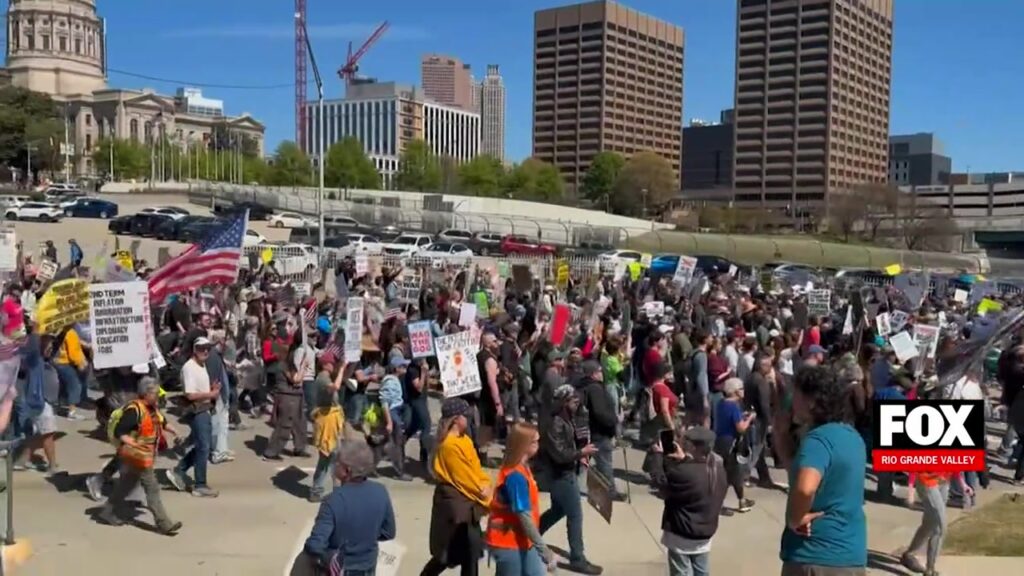
The United States saw an unprecedented wave of protest activity recently, as millions of citizens took to the streets for the 'No Kings' demonstrations. These widespread protests, organized across the nation, were a public outcry against what many perceive as increasing authoritarianism and governmental overreach within the U.S. The events underscored a collective dissatisfaction with the current political climate, echoing themes prevalent during the Trump administration.
Amid growing concerns regarding the erosion of democratic norms, these rallies reflect a broad societal mobilization aimed at defending democratic principles. The timing of these protests is crucial as they coincide with significant political developments both domestically and internationally, raising the stakes for citizens passionate about safeguarding American democracy and promoting civic engagement.
Nationwide Outcry Against Authoritarianism
Millions of demonstrators participated in the 'No Kings' rallies this past weekend, sending a powerful message concerning the perceived shortcomings and excesses of political power. With over 3,100 rallies organized across all 50 states, the protests marked one of the most comprehensive political mobilizations in recent history. Organizers of the demonstrations drew parallels with the anti-Trump protests, which previously saw participation from nearly 7 million Americans.
Not only was participation widespread, but it was also emphatically supported by citizens concerned about the state of democracy in America. The 'No Kings' demonstrations emphasize an urgent collective call to action against attempts that may threaten the foundational principles of governance. They echo a resounding demand for transparency, accountability, and adherence to checks and balances within the government apparatus.
Prominent Figures Join the Movement
The rallies were further highlighted by the involvement of high-profile personalities, lending the movement greater visibility and resonance. Among these figures was celebrated musician Bruce Springsteen, who participated in demonstrations in Minnesota. The presence of icons like Springsteen provided not only a morale boost to participants but also served to bring attention to the causes championed by the protests.
From major metropolitan hubs to smaller towns, the scale of the rallies illustrated a remarkable unity among diverse groups in opposing any form of authoritarian governance. Civic groups across the nation mobilized efforts to organize these demonstrations, rallying communities to actively stand against policies that undermine established democratic norms.
Local Participation and Global Implications
On the local front, cities like McAllen, Texas, played a pivotal role in the movement, with organizations like the RGV chapter of Mothers for Democracy spearheading peaceful protests. In McAllen, demonstrators gathered along Business 83, using their voices to advocate for democracy and against authoritarian rule, thereby aligning with America's long-held values that reject concentrated power.
Globally, these protests against authoritarianism hold significant implications as they resonate with similar movements worldwide. The universal message denounces the consolidation of power and the infringement of civil liberties, standing as a testament to the importance of global solidarity in addressing matters of governance and human rights.
The demonstrations in the U.S. echo a broader context where citizens worldwide are demanding more democratic governance and respect for civil liberties. As the protests continue to unfold, they amplify the call for governments to adhere to democratic principles, upholding transparency and accountability as their guiding tenets.
Additional Resources
For an in-depth analysis of current U.S. political dynamics, explore resources at the Pew Research Center: pewresearch.org.