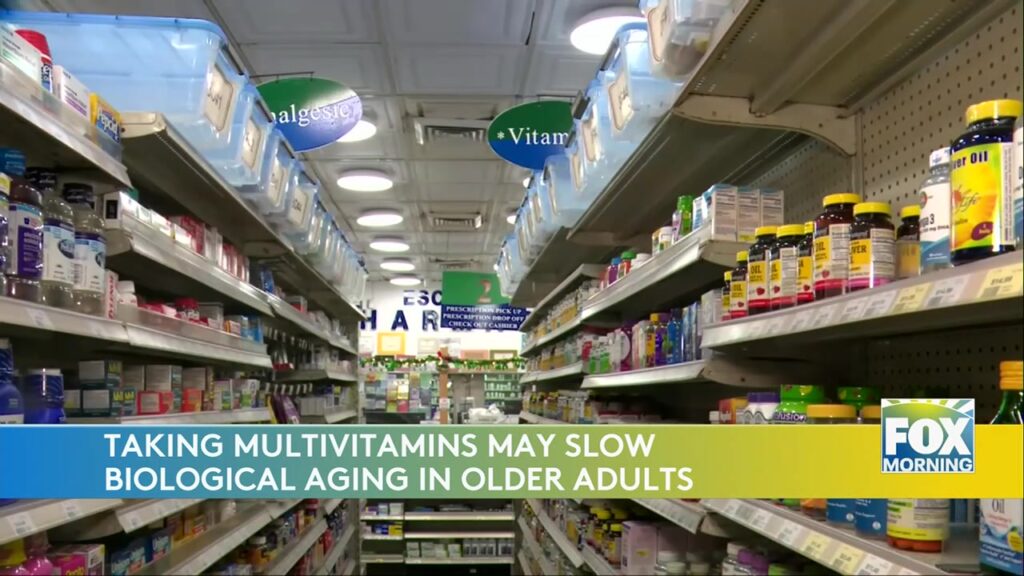
In a recent revelation from the scientific community, a study published in the renowned journal Nature Medicine has demonstrated that daily intake of multivitamins can potentially slow down the biological aging process in seniors. As people age, they often become more susceptible to various health issues, and the cellular structures in their bodies can undergo rapid deterioration. This heads-up is significant for older adults determined to maintain their health and vitality well into their later years.
According to the study, participants who took a multivitamin daily for a period of two years showed a slowed process of cellular aging by about four months. In simple terms, while 24 months passed, their bodies only aged at a cellular level by approximately 20 months. This discovery contributes to a growing body of evidence suggesting that vitamins could play a vital role in managing age-related health challenges.
The implications of these findings are profound, particularly for seniors who are already beginning to show signs of accelerated aging. Beyond maintaining general health, the study emphasizes that multivitamins could support a decrease in the rate at which these individuals experience cellular decay, potentially contributing to an improved quality of life.
Study Details
The research undertaken provides a fascinating insight into how our bodies respond to interventions aimed at slowing down the aging process. The scientists conducting the study closely monitored volunteers over two years, tracking the biological markers that indicate cellular age. They discovered that a consistent multivitamin regimen introduces compounds that help reduce oxidative stress and cellular damage, which are natural consequences of getting older.
This research shines a light on the possibility of integrating a simple daily routine for long-term benefits. While the vitamins in question are not specified in public releases, common multivitamins typically include critical nutrients such as vitamins A, D, E, C, and B-complex, along with essential minerals like calcium, magnesium, and zinc, all of which are known to play critical roles in maintaining cellular health.
Health Implications
The findings are consistent with previous research supporting the health benefits of consuming vitamins, specifically for older populations. Those already experiencing signs of accelerated aging can consider incorporating multivitamins into their daily healthcare routine, as they might see notable improvements over time. Doctors and healthcare providers often recommend vitamins for their potential life-extending effects, particularly for mitigating age-related diseases such as heart disease, osteoporosis, and cognitive decline.
Interestingly, the research posits that this approach might also resonate with upcoming healthcare strategies, helping reshape how society perceives and applies preventative health measures. By potentially decelerating aging at a cellular level, multivitamins might offer a straightforward and accessible option to enhance geriatric health.
Future Research and Outcomes
While this study represents a crucial step forward in geriatric health, further research is poised to explore the precise biological mechanisms responsible for these findings. Scientists aim to uncover how specific vitamins and minerals contribute to slowing biological aging at a molecular level. Such investigations could revolutionize preventative healthcare and lead to more effective strategies for promoting longevity and healthy aging among the elderly.
Additionally, future studies may expand to assess long-term outcomes and evaluate how different doses or formulations might optimize the benefits observed. If successful, this could pave the way for personalized nutrition plans that more accurately serve the biological needs of various demographics within the senior population.
Additional Resources
For those seeking more information on advancements in geriatric health and related research, the National Institutes of Health provides valuable resources: nih.gov.