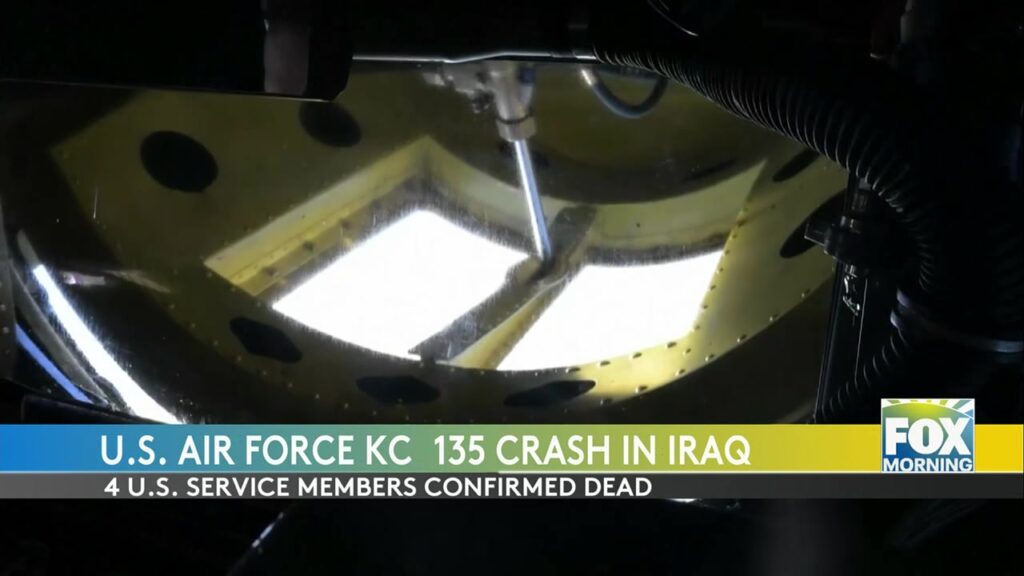
In a tragic turn of events, a military aircraft has crashed in a region considered friendly airspace in the Middle East. Rescue teams have quickly responded, scouring the area for survivors amidst the ruins. This unfortunate incident comes at a time when tensions between the United States and various Middle Eastern nations are mounting. Preliminary reports suggest that the crash, which has caught global attention, was not caused by hostile fire. However, it has generated widespread concern regarding the stability of the region, prompting an urgent investigation to discern the root cause of the incident.
The backdrop of this incident is a Middle Eastern landscape already rife with suspicion and tactical maneuvering. The aircraft, a crucial asset in the U.S.’s strategic arsenal, was on a routine Mission when it went down. Given the delicate situation in the Middle East, where misunderstandings potentially have Pharr-reaching consequences, both sides are closely monitoring the unfolding investigation.
Details on the exact type and Mission of the aircraft remain scant at this point, with official military channels keeping information closely guarded until more conclusive evidence is available. The focus for now remains on determining whether mechanical failure, pilot error, or other factors contributed to this accident.
Initial Findings and Investigation
The initial inquiries into the incident suggest that the crash should not be attributed to hostile attacks, thus calming initial fears of aggression from adversarial forces. Officials spearheading the investigation are painstakingly collecting data from the crash site to construct a timeline of events leading up to the unfortunate accident. These findings remain crucial given the current state of affairs between the U.S. and various entities in the Middle East.
The ongoing geopolitical tensions have underscored the necessity to not only investigate the technical causes of the crash but also understand its potential ramifications. Within diplomatic and military spheres, this incident forms a pivotal point of analysis; every finding could influence future U.S. military engagements and strategies in the region.
Rescue Efforts and Expected Outcomes
Amid the investigative efforts, rescue teams are operating under pressing conditions. The exact location of the crash, described as having challenging environmental elements, presents significant obstacles to recovery operations. The first 24 hours after an incident in such environments are critical, not only for potential survivors but also for gathering perishable evidence essential for the subsequent inquiries.
Despite the urgency, the rescue teams have previously well-drilled procedures, and their expertise could prove instrumental in uncovering valuable insights into the crash. The immediate priority lies in saving lives and providing care to any survivors, while simultaneously keeping a keen eye on gathering crucial evidence for investigators.
International Implications and Military Dynamics
On a broader scale, the crash incident is symptomatic of the fragile dynamics inherent in U.S.-Middle East relations. Each incident such as this, independent of its direct cause, is perceived through the lens of global power plays. The outcome of the current investigation, therefore, will be watched closely by ally and adversary nations alike, each gauging potential shifts in military strategies and diplomatic approaches.
In the wake of this event, military analysts and policy-makers will be tasked with re-evaluating current defense policies, military readiness, and engagement approaches. Adopting a proactive stance in ensuring military assets' safety and efficiency remains crucial. Furthermore, as the investigation unfolds, it may highlight technological or training gaps that need addressing.
Additional Resources
For more comprehensive insights into the U.S. military policies and a deeper understanding of Middle East geopolitical dynamics, visit the U.S. Department of Defense.