Table of Contents
Recent developments have reignited concerns over a potential Measles comeback, as Canada has lost its measles elimination status due to a significant rise in cases. The situation is alarming, especially in North America, where public health officials are closely monitoring the resurgence of this highly contagious disease.
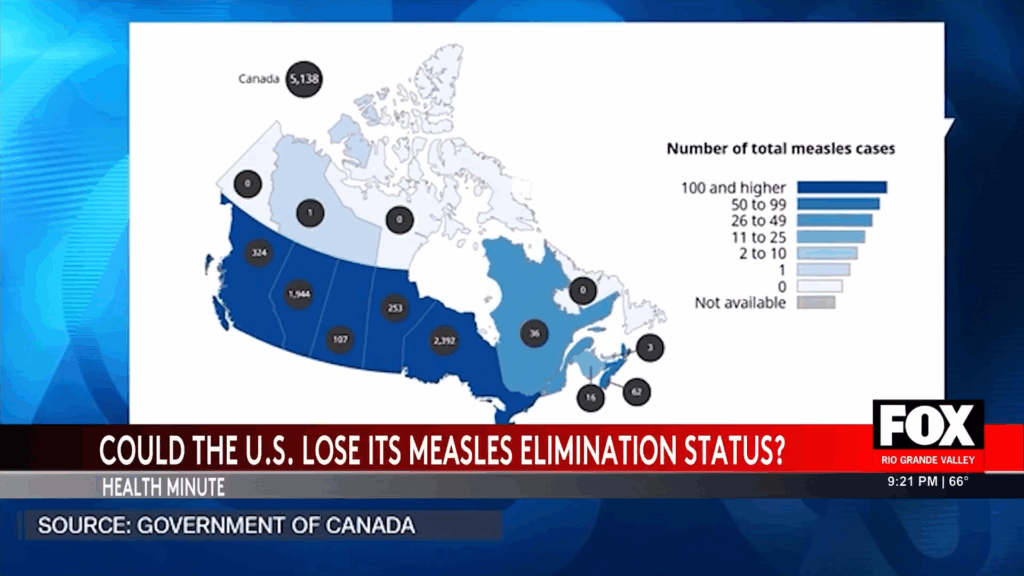
The measles comeback is a matter of serious concern, with more than 5,000 cases reported in Canada this year alone, a figure that surpasses the total from the previous 25 years combined. This surge has led to the loss of the country's measles elimination status, a setback that raises alarms about the potential for similar developments in the United States. Dr. Keisha Davis from the American Academy of Family Physicians emphasizes the gravity of the situation, noting that measles is a severe respiratory illness with symptoms including a sore throat, high fever, cough, and rash. Severe cases can lead to pneumonia, brain swelling, or even death.
Understanding the Measles Comeback
The Centers for Disease Control and Prevention (CDC) reports that as of November 4th, there have been 1,681 confirmed measles cases in the United States this year. A staggering 92% of these cases were among individuals who were either unvaccinated or had an unknown vaccination status. This statistic underscores the critical role of vaccinations in preventing the spread of measles.
Measles is incredibly contagious; nine out of ten unvaccinated individuals exposed to the virus are expected to contract it. This highlights the urgent need for increased vaccination rates to curb the measles comeback. Vaccination is the most effective means of protection, typically administered to children between 12 and 15 months of age, with a second dose given between 4 and 6 years old.
The Role of Vaccination in Preventing a Measles Comeback
Dr. Davis advocates for vaccinations, emphasizing that they are a simple yet powerful tool in the fight against the measles comeback. Health experts strongly encourage parents to ensure their children receive the measles vaccine at the recommended ages. This preventive measure is vital in safeguarding public health and preventing further outbreaks.
The resurgence of measles serves as a stark reminder of the importance of maintaining high vaccination rates. Public health officials urge communities to remain vigilant and proactive in promoting vaccinations to prevent the loss of measles elimination status in more regions.
Additional Resources
For more information on measles and vaccination guidelines, visit the official website of the Centers for Disease Control and Prevention: CDC Measles Information.